Read More
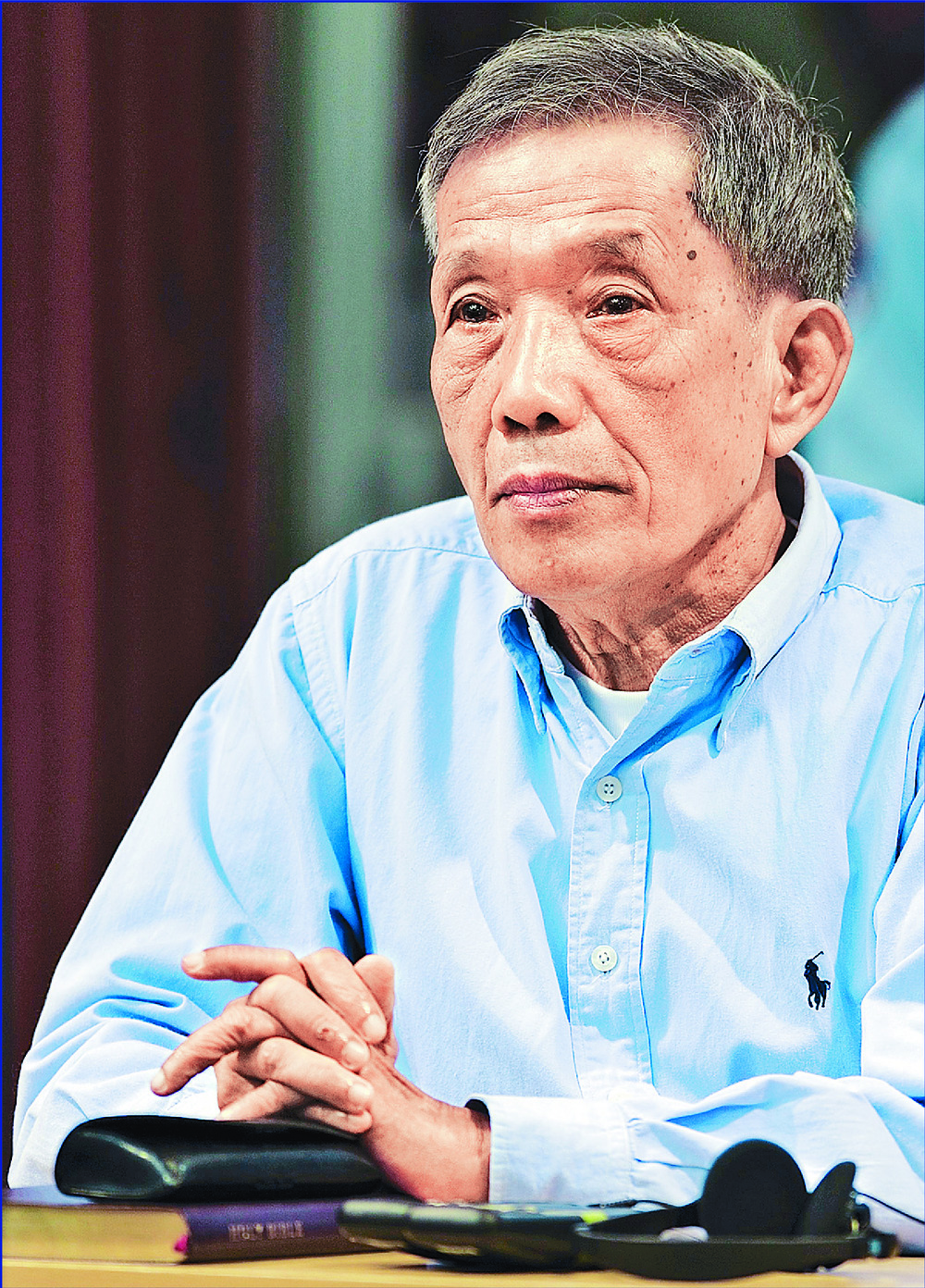
A key torturer in Cambodia's genocidal Khmer Rouge died yesterday while serving a life sentence for crimes against humanity in the 1970s, when an estimated two million people were butchered.
ADVERTISEMENT
SCROLL TO CONTINUE WITH CONTENT
Kaing Guek Eav, 77, known by the alias Duch and head of the infamous Tuol Sleng prison in Phnom Penh, was convicted in 2012 by a United Nations-backed tribunal for his role in the "Killing Fields" regime.
His death leaves Khieu Samphan, 89, head of state and the public face of the regime, as the sole surviving Khmer Rouge member convicted by the tribunal.
"The souls of the victims and my parents have received justice," said Norng Chan Phal outside Tuol Sleng, where he was held as a child. The former school is now a memorial center.
Duch was in and out of hospital for years and was admitted again this week, a tribunal spokesman said. According to a doctor's letter confirming his death, Duch showed symptoms of "acute respiratory distress." His body was taken to a local temple where it was cremated.
The first member of the Khmer Rouge to stand trial, Duch's testimony served as an important milestone for millions of Cambodians who suffered under the brutal regime.
Some two million people were believed to have died during the group's 1975-1979 rule due to starvation, forced labor and mass executions in detention centers around the country.
At Tuol Sleng, Duch maintained a huge archive of photos, confessions and other documents that UN prosecutors used to trace the final desperate months of thousands of inmates. It revealed facets of the regime's secretive workings, such as repeated purges driven by paranoia that enemies were within its ranks.
Born in 1942, Duch, a former mathematics teacher, became the Khmer Rouge's top interrogator.
He oversaw the torture of thousands of men, women and children in the neighborhood high school that was converted into a detention center, compiling false confessions and sending people to their deaths. He told the UN-backed court that he joined the Khmer Rouge in 1970 "to transform society, to oppose the government, to oppose torture" and then helped oversee jungle prisons.
When the group seized power he became head of Tuol Sleng - referred to as S-21 - which he staffed with uneducated teenage boys. He said they could be indoctrinated easily as each was "like a blank piece of paper."
He maintained posts within the China-backed movement after it was driven out of Phnom Penh and out of power by Vietnamese-led forces in January 1979.
He turned to Christianity in his later years and was working for an aid agency under a false name at the time of his arrest in 1999 when many thought him dead.
He later dismayed survivors by asking to be acquitted by the tribunal as he was not a senior member of the Khmer Rouge hierarchy and had "respectfully and strictly followed the orders."
The tribunal is still running, with long-stalled cases against Khmer Rouge naval commander Meas Muth and alleged high-ranking member Yim Tith remaining on the legal books.
Apart from Khieu Samphan, the only top-ranking cadre to be imprisoned was "Brother No 2" Nuon Chea, who died last year at the age of 93.
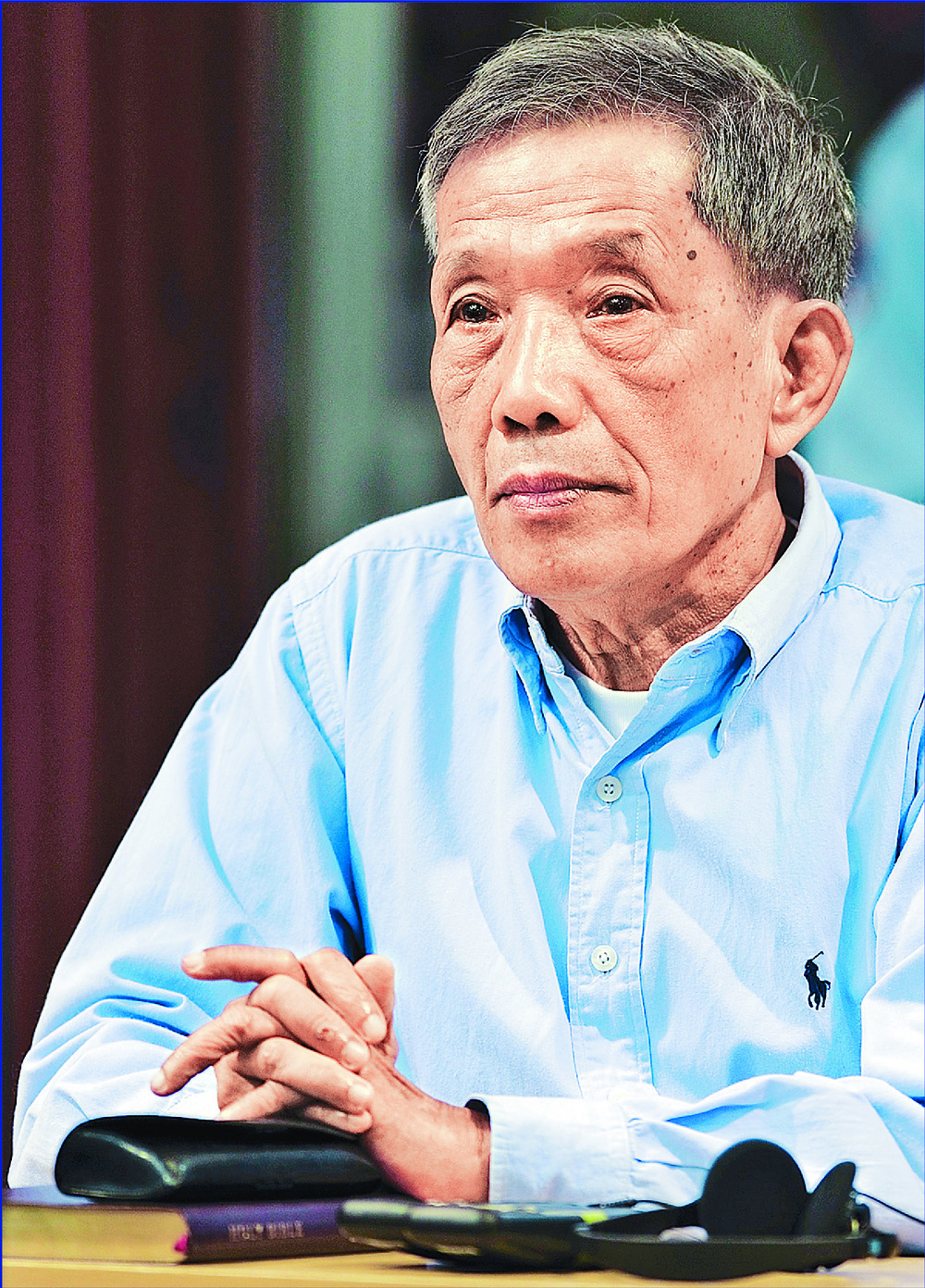
Kaing Guek Eav
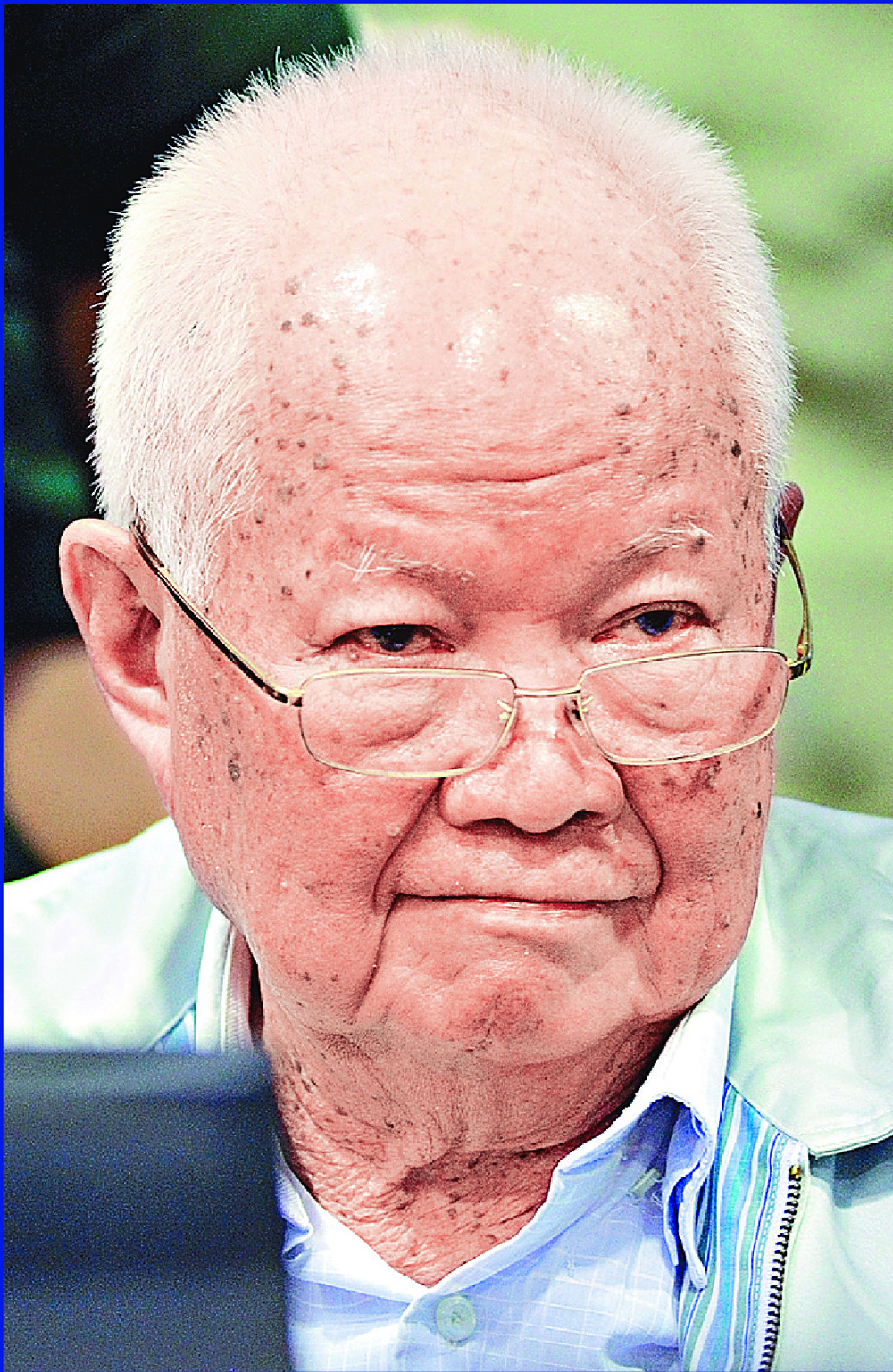
Khieu Samphan