Read More
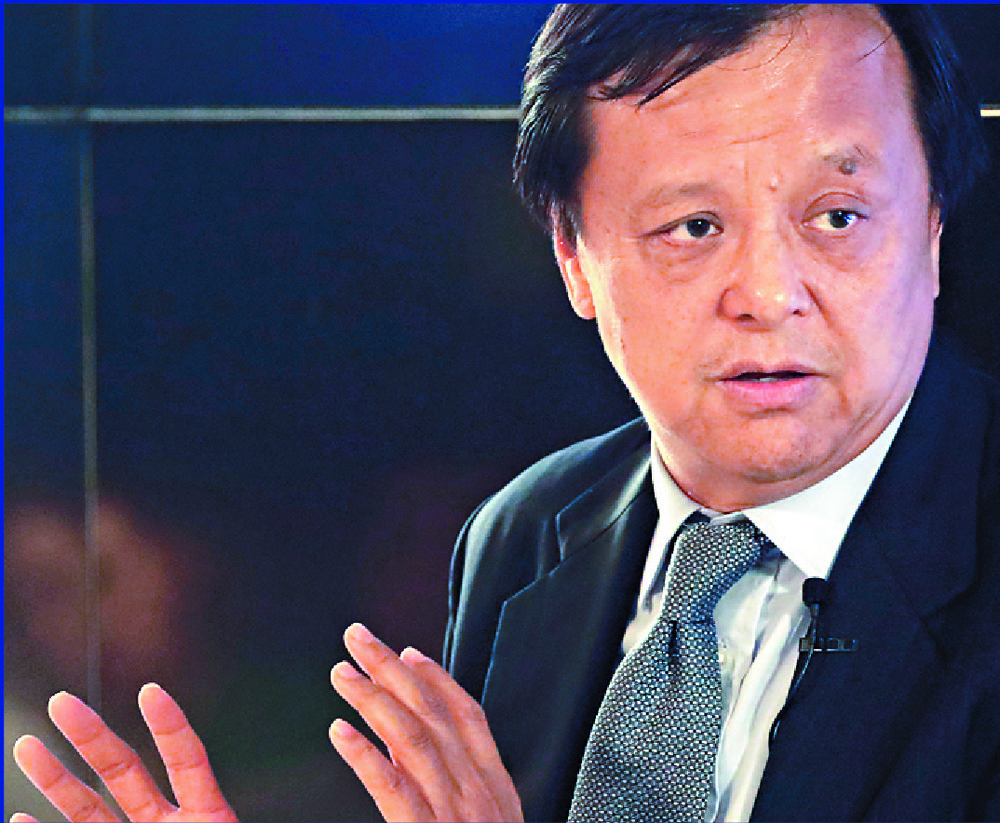
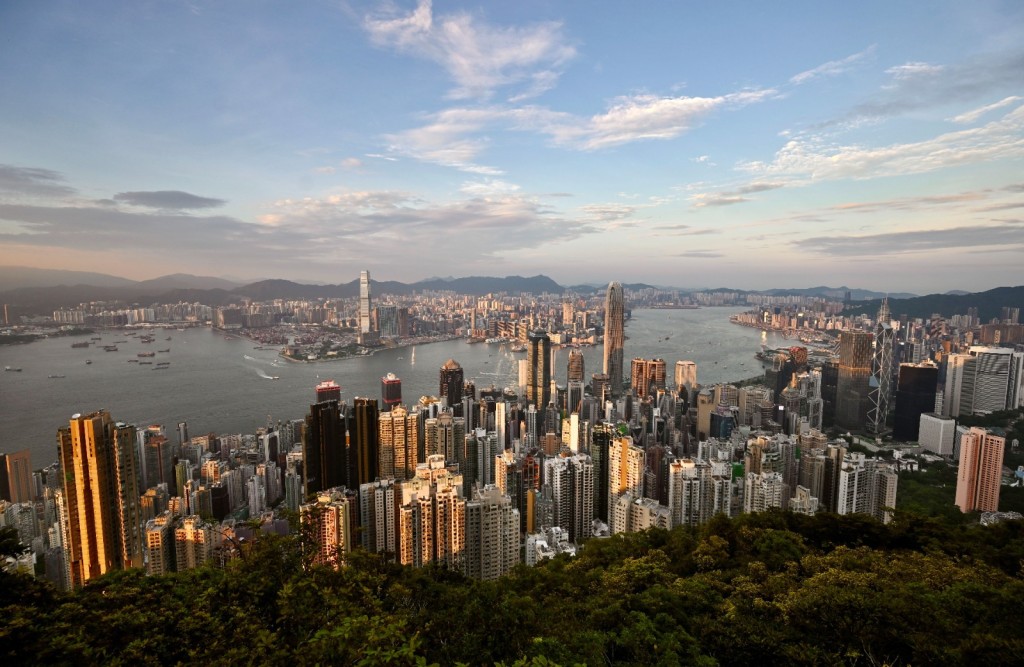
Charles Li Xiaojia, chief executive of Hong Kong Exchanges and Clearing, expects the SAR to become the largest fundraising hub for biotech companies within five to 10 years.
ADVERTISEMENT
SCROLL TO CONTINUE WITH CONTENT
And HKEX chairwoman Laura Cha Shih May-lung noted that Hong Kong has already become the second-largest biotech IPO market in the world and the largest in Asia.
Speaking at the HKEX Biotech Summit yesterday, Cha said the groundwork was laid with listing reform in 2018, which allows unprofitable biotech companies to go public in the SAR.
She also expects the biotech sector to be the main driver of the Hong Kong stock market.
Li noted that at the beginning of the new listing regime some biotech stocks disappointed with lackluster trading volume. But the increase in China's aging population and surging health-care costs will be the growth engine of the local biotech sector, he said.
Meanwhile, the overwhelming response to Hong Kong biotech stocks amid the pandemic provides big opportunities.
WuXi Biologics Holdings, the controlling shareholder of main board-listed Wuxi Biologics (Cayman), is placing around 33 million shares at an indicative price range of HK$183 to HK$188 to raise over HK$6 billion. The range represented a discount of around 5.2 to 7.7 percent on yesterday's closing.
WuXi Biologics, which will be included in the Hang Seng Index next week, is aiming to launch Covid-19 antibody products by year's end.
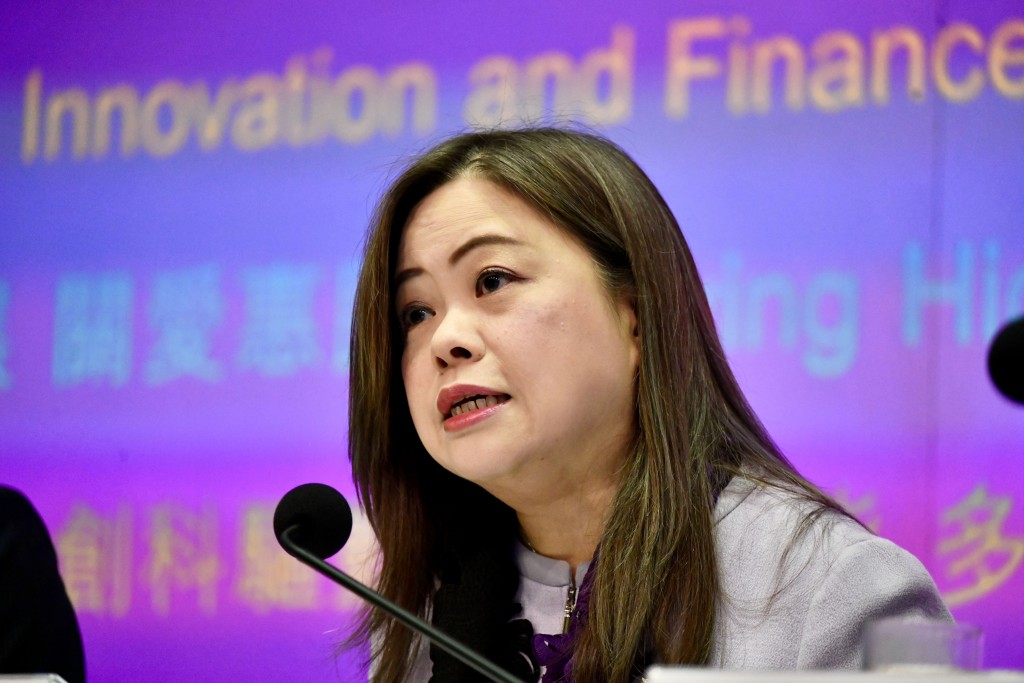
Bonnie Y Chan, HKEX's head of listing, said 20 preprofit biotech firms were listed in Hong Kong after the reform, raising HK$48 billion. These companies engage mainly in cancer treatment, stem-cell therapy and in vitro diagnostics.
The 20 companies raised an additional HK$46 billion through their own platforms after market debuts, she added, and they were expanding their drug candidate portfolios and therapeutic areas.
Among them, eight companies are developing virus treatments.
The local stock market, Chan added, will work with market participants, keep pace with trends and improve listing rules.
Zhang Lei, founder and chief executive of Hillhouse Capital Management, suggested investors adopt a long-term stance when investing in biotech companies.
The private equity firm invested in BeiGene in 2012 when its valuation was less than US$100 million (HK$780 million), he said, but now BeiGene's valuation has grown to more than US$20 billion.
avery.chen@singtaonewscorp.com

China's aging population will be the biotech sector's growth engine, predicts Charles Li.REUTERS