Read More








Night Recap - June 10, 2026
8 hours ago




Bowie Woo, 94, sets Guinness World Record at star-studded concert
08-06-2026 18:03 HKT

Nine days of rain ahead as temperatures dip, Observatory says
09-06-2026 17:35 HKT


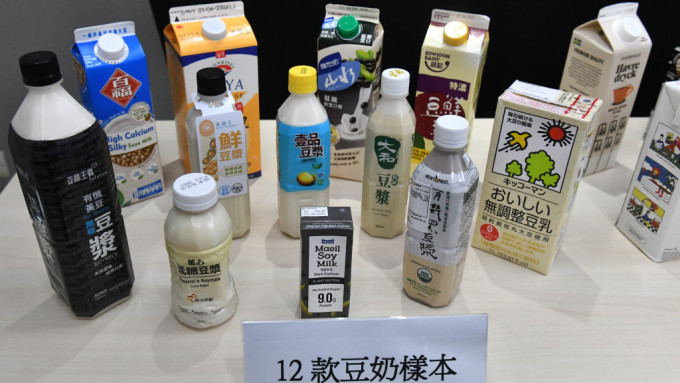
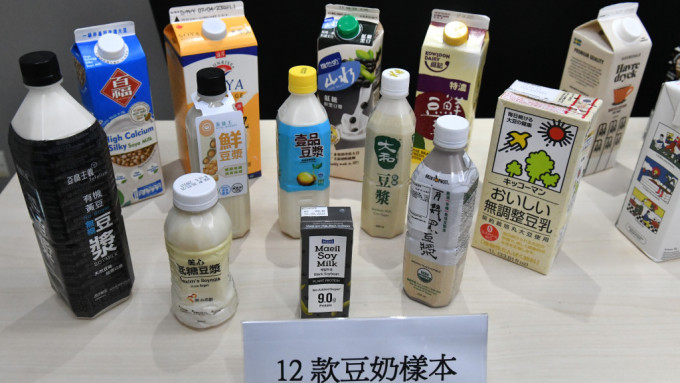
Soy milk was found to have the highest average protein among five types of plant-based milk samples tested by the consumer watchdog.
The Consumer Council evaluated 39 samples collected from five types of prepackaged plant milk, with only the soy milk samples having a higher average protein content than other plant milk varieties.
The average protein level of the 12 soy milk samples, based on a 100-milliliter sample, is 3.26 grams, significantly higher than the 0.1 to 0.66 grams of the other four plant milks.
Coconut milk was found to have the lowest average protein level without added nutrients, at only 0.1g per 100ml, while six of the soy milk samples had a protein level ranging from 3.4g to 4.92g per 100 ml, with the low-fat milk having an advantage of roughly 3.37 grams of protein.
This means that consuming 1 cup of 240 ml soy milk will provide approximately 7.82g of protein, which is about 14.2 percent of the daily recommended nutrient intake for adult women by the Chinese Nutrition Society.
If substituted with oat milk or almond milk, it would require about 5 cups to achieve the same amount of protein as 1 cup of soy milk. For coconut milk, it will take about 34 cups to achieve the equivalent.
Separately, 16 plant milk samples matched the criteria for high calcium when evaluated per 100 kcal of food. However, just three calcium-added samples out of the 16 were high in calcium per 100 ml, with calcium contents ranging from roughly 140 mg to 156 mg.
The Consumer Council reminded the public that even though 40 percent of the samples matched the definition of high calcium, consumers were advised to choose plant milk products with additional calcium and vitamins and ensure they get adequate nutrients from other dietary sources.
For Vitamin B2, which is commonly found in dairy products, was not detected in 12 samples. The remaining plant milk samples with no added Vitamin B2 contained only 0.01mg to 0.035mg per 100ml, which was only 5.4 percent to 18.9 percent of the vitamin B2 content of low-fat milk (0.185mg).