Read More





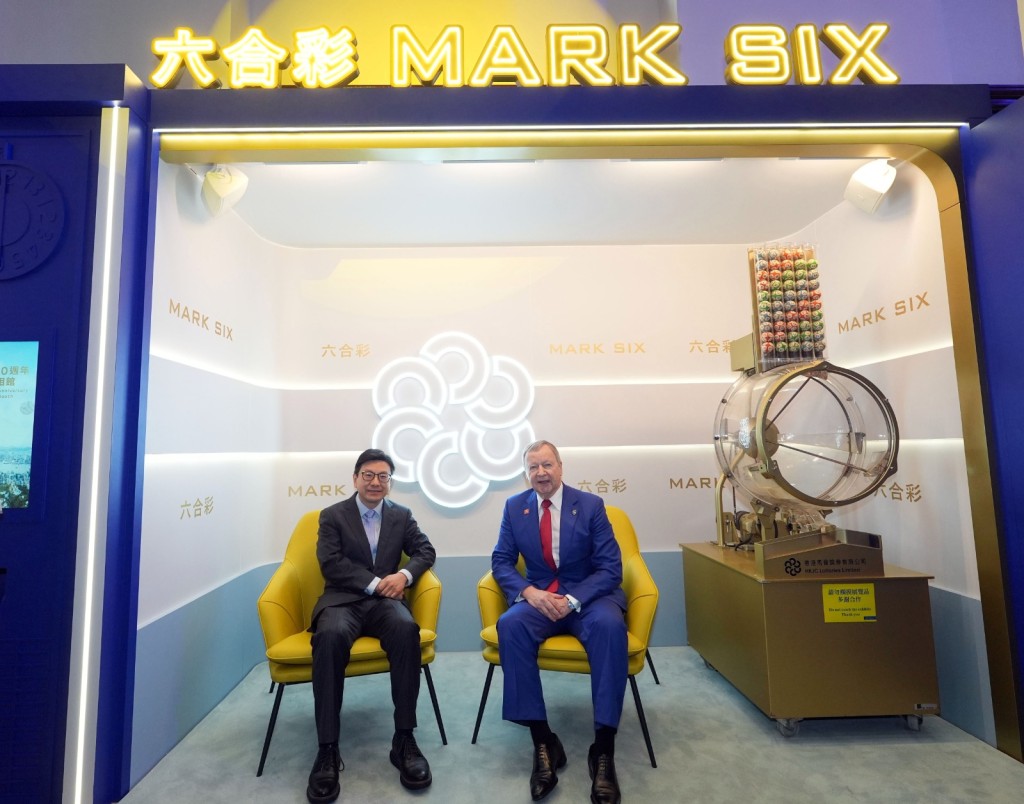
Mark Six marks 50th anniversary with exhibition and record $228m draw
30-04-2026 19:04 HKT
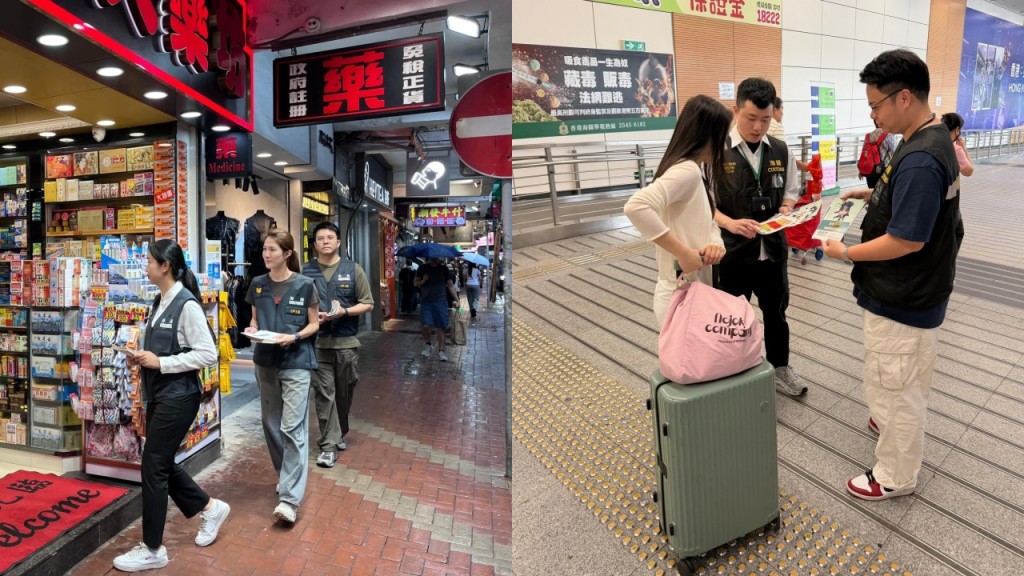
Customs steps up patrols at tourist hotspots ahead of Labour Day Golden Week
30-04-2026 19:22 HKT
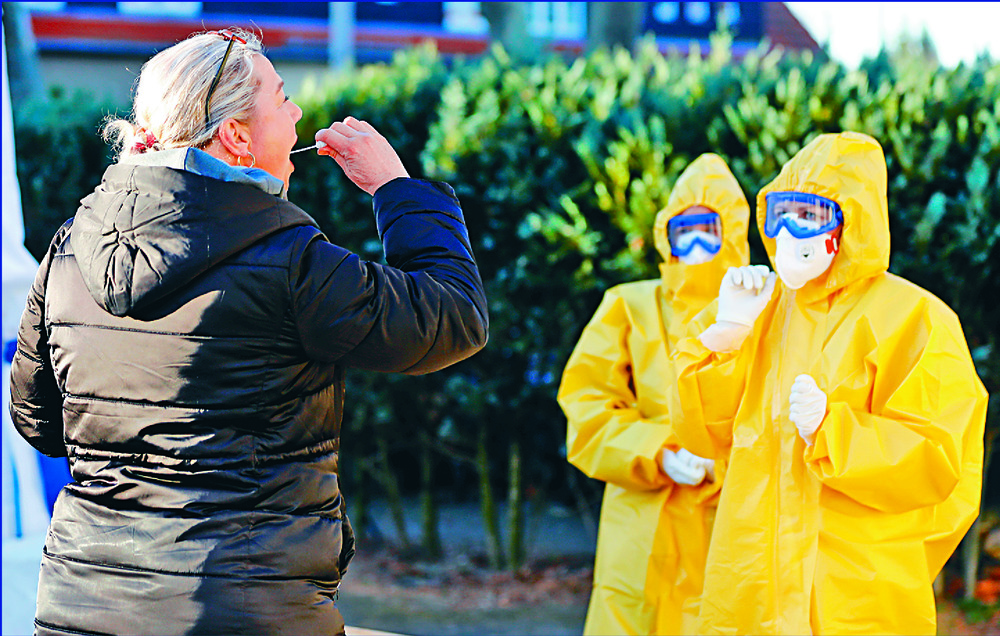
Global emergency efforts to slow the coronavirus pandemic ratcheted up yesterday with more nations and cities imposing extraordinary lockdowns as the death toll continued to rise.
From Germany banning gatherings of more than two people, Italy banning travel and New Zealand announcing a four-week lockdown, the new round of containment efforts highlighted a deepening sense of panic around the world.
The world's fatalities surged to 14,600 to 15,000, according to tallies by news agencies.
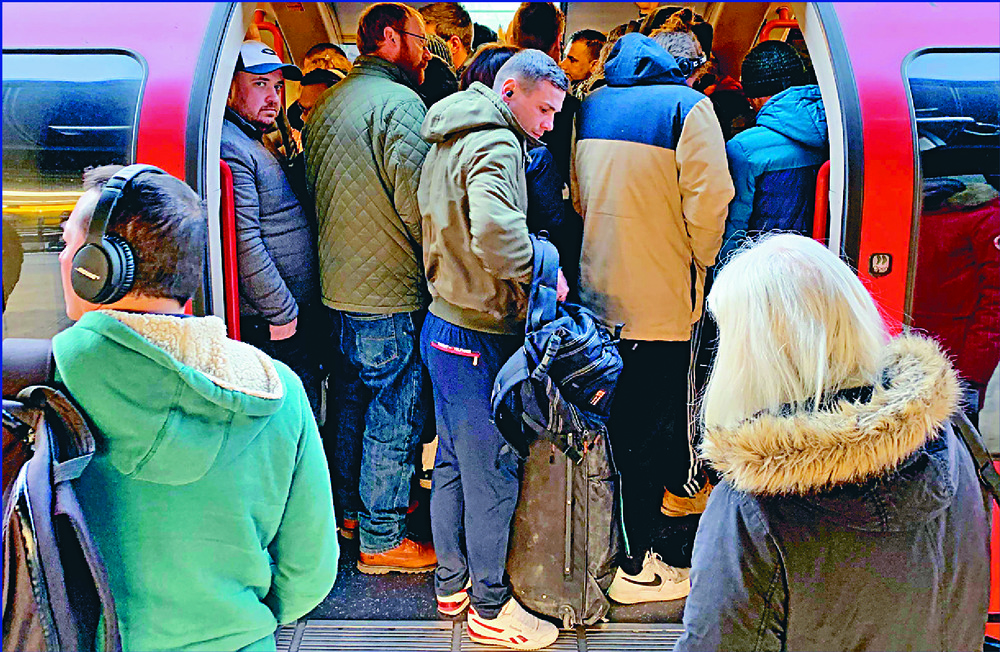
The British government also took over the railways in a bid to keep services running for key workers during the outbreak.
The transport ministry said it was suspending normal franchise agreements with private operators, taking over "all revenue and cost risk" for at least six months.
Train services are being reduced as passenger numbers slump in the wake of government advice to avoid all non-essential travel to curb the outbreak.
In Germany, Chancellor Angela Merkel announced the ban on gatherings of more than two people. She did so while in quarantine herself after she had met with an infected doctor.
The German government has approved another large aid package to help companies and individuals affected by the coronavirus pandemic.
The aid package breaks six years of balanced budgets by borrowing 156 billion euros (HK$1.3 trillion) to finance it.
The government announced that it will give small companies and self-employed people aid of up to 15,000 euros each over three months.
Other European nations continued to restrict people's movement, with Greece becoming the latest nation to follow Italy, Spain and France in imposing a nationwide lockdown. Italy also shut down a range of industries and businesses under a new wave of restrictions designed to get the country through a vital 10-day stretch in which the rate of deaths and infections is supposed to finally drop.
Spain's prime minister said he would ask parliament to extend a 15-day state of emergency, which bars people from leaving home unless absolutely essential, until April 11.
In the United States, President Donald Trump ordered thousands of emergency hospital beds to be set up at Covid-19 hotspots as a trillion-dollar economic rescue package crashed in the Senate.
At the same time, China reported a drop in its daily tally of new cases, reversing four straight days of increases, as Beijing ramped up measures to contain the number of imported infections.
South Korea also reported its lowest number of new cases since February 29, with the extended downward trend boosting hopes that the outbreak could be abating.
Meanwhile, Southeast Asian countries are considering more emergency powers to tackle the threat.
The virus has killed nearly 100 people in the region since the number of cases recently surged, seeing governments scramble to raise their defenses with border closures, entry bans, and lockdowns.
The Philippine Congress held a special session to consider allowing President Rodrigo Duterte's government special powers over businesses such as utilities, transport firms, and hotels that could quarantine people or house medical workers.
"It is a step we were reluctant to take, but the circumstances and the experience of nations worldwide convinced us that we have no other choice," Duterte's executive secretary Salvador Medialdea told a near-empty Congress, with most lawmakers streaming the session at home.
Duterte has a super-majority in both chambers, so the bill is expected to pass, although the opposition is concerned about the scope of the powers and potential for abuse.
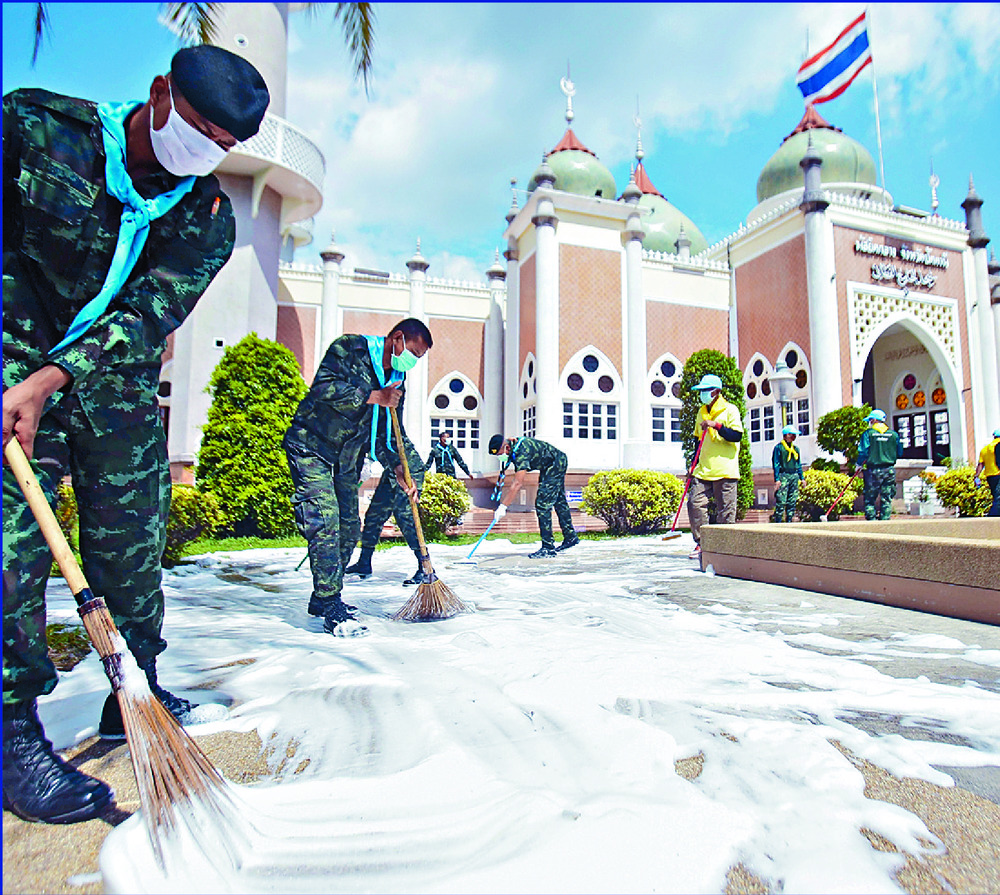
But more are following suit, with Vietnam and Malaysia deploying soldiers to help enforce quarantines or curbs on travel and gatherings.