Read More
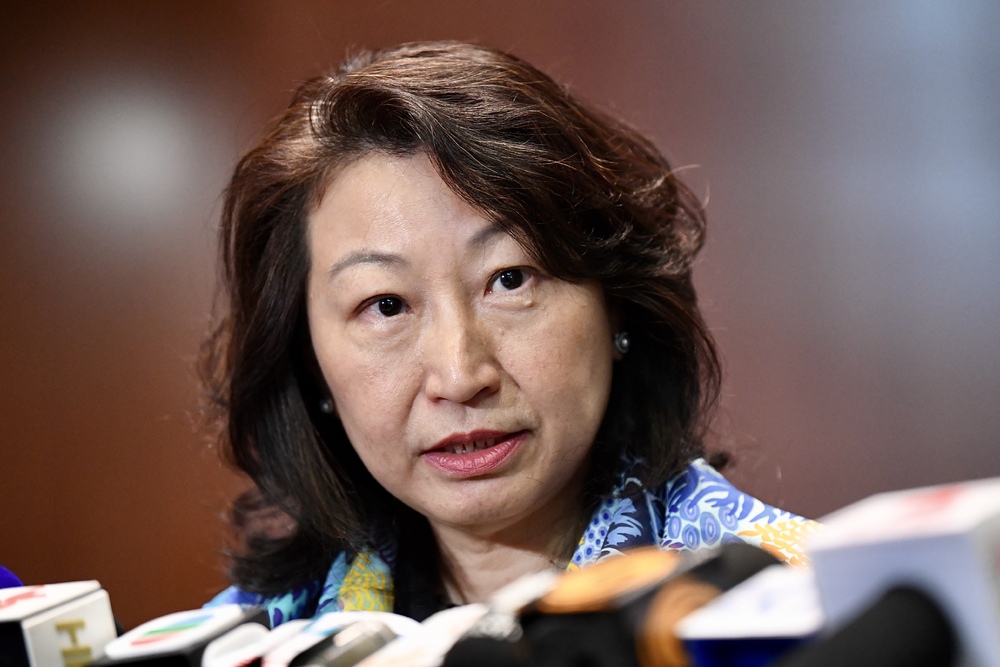
It does not matter if judges are Chinese or western as long as they make reasonable judgments, Secretary for Justice Teresa Cheng Yeuk-wah said.
ADVERTISEMENT
SCROLL TO CONTINUE WITH CONTENT
During an interview, Cheng responded to questions arising from Next Digital founder Jimmy Lai Chee-ying’s bail case, where all five judges were local judges and not one non-permanent judge from overseas.
But Cheng dismissed the questions, saying the critics are using this case as a weapon against the authorities.
“The most important thing [to decide whether the court’s decision is fair] is the judgment, so we can become more objective and read the judgment,” Cheng said.
“The judges, no matter local or overseas, permanent or non-permanent, would write down the reasons of their judgment and we can examine whether the reasons are sound. If the judgment is correct, people cannot say it’s unfair just because of the result,” she added.
Cheng also refuted criticisms saying the national security law has undermined Hong Kong’s rule of law and people’s freedom.
It is expressly stated that the national security law protects Hongkongers’ human rights and the rule of law in the city, Cheng stressed.
“Some people always criticize the law, but from an objective perspective, the society has stabilized since the national security law came into effect on June 30 last year,” Cheng said.
“Some people have deliberately misunderstood the national security law, and some might misunderstand the law because of unclear knowledge.”
Earlier, the police announced that a total of 97 people have been arrested for violated the national security law, but only eight of them were prosecuted.
Cheng explained the threshold for prosecution is higher than that for arrest and the Department of Justice sometimes has to wait for police officers to collect more evidence.
“The police are still investigating the national security cases, which would take time. Police made the arrests based on reasonable suspicion, but they still hope to collect more evidence to hand over to us for prosecution,” Cheng said.
She stressed the DoJ will decide whether to prosecute the suspects based on evidence and the national security law, with a professional and impartial attitude.
As for the government’s decision to make doxxing a criminal offense, Cheng said she hopes all Hongkongers from different occupations with different political stances can be protected from doxxing.
She said the DoJ will cooperate with relevant government departments and provide legal suggestions to amend the law.
Cheng also said she believes Hong Kong’s status as a center for arbitration and international law will remain unchanged.