The US current account deficit narrowed sharply in the third quarter as tariffs weighed on imports and primary income surged.
The Commerce Department's Bureau of Economic Analysis said on Wednesday the current account deficit, which measures the flow of goods, services and investments into and out of the country, contracted by US$22.8 billion (HK$177.9 billion), or 9.2 percent, to US$226.4 billion, the lowest level since the third quarter of 2023.
Economists polled by Reuters had forecast the current account deficit shrinking to US$238.4 billion. The report was delayed by the 43-day shutdown of the government.
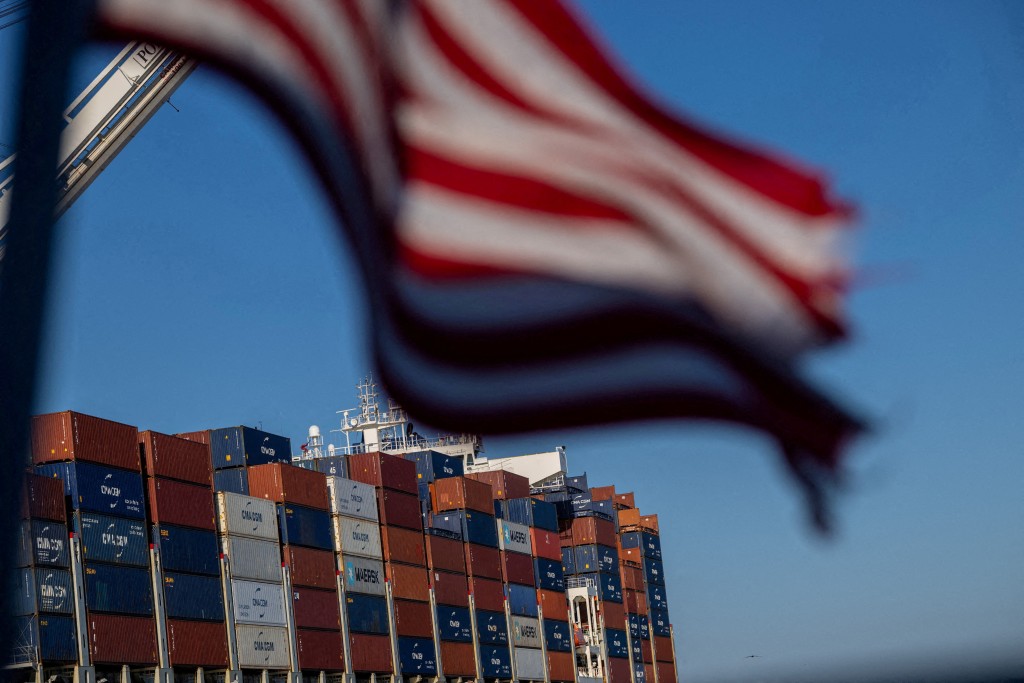
The deficit represented 2.9 percent of gross domestic product, the smallest since the first quarter of 2020 and down from 3.3 percent in the second quarter. It peaked at 6.3 percent in the third quarter of 2006. President Donald Trump’s sweeping tariffs have led to an ebb in the flow of imports, helping to narrow the trade deficit.
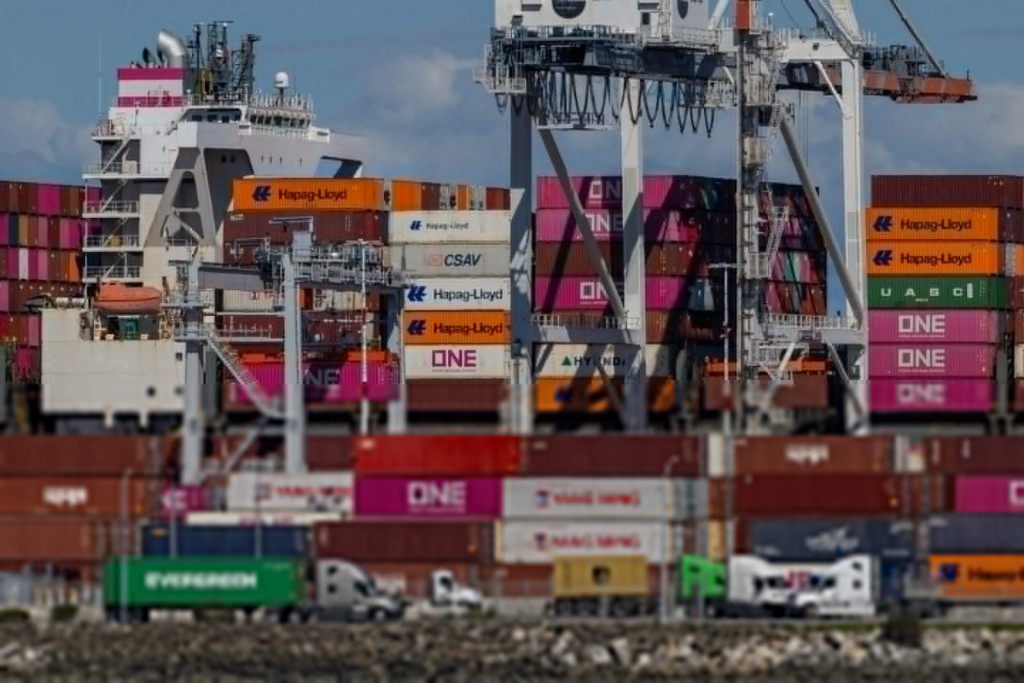
Imports of goods decreased US$5.0 billion to US$815.4 billion in the third quarter, pulled down by a decline in consumer goods. But nonmonetary gold imports increased. Imports of services increased US$3.1 billion to US$225.0 billion.
Goods exports fell US$1.9 billion to US$548.0 billion, weighed down by nonmonetary gold, though exports of capital and consumer goods increased. Exports of services increased US$11.7 billion to US$314.2 billion.
The goods trade deficit narrowed to US$267.4 billion from US$270.4 billion in the prior quarter.
Receipts of primary income increased US$16.3 billion to US$395.2 billion, led by a rise in direct investment income. Payments of primary income advanced US$5.3 billion to US$390.0 billion.
Receipts of secondary income decreased US$2.0 billion to US$44.4 billion. Payments of secondary income declined US$2.1 billion to US$97.9 billion as general government transfers decreased.
Reuters