Read More








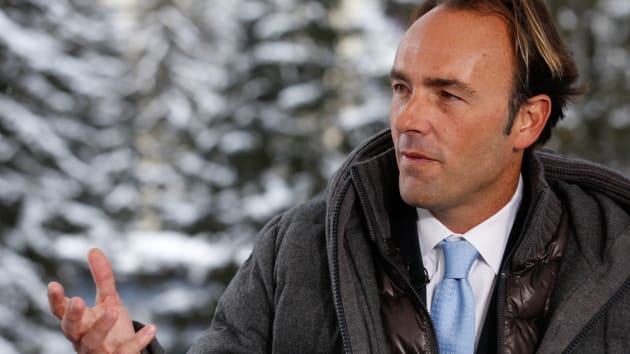
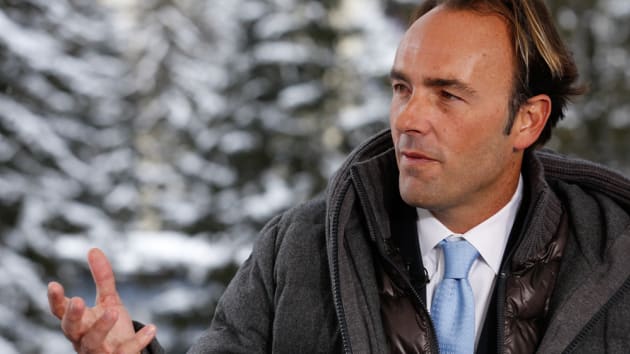
Kyle Bass’s market bet against a Texas real-estate lender seemed like an astute move. Throughout 2015, the American hedge-fund manager accused the lender, United Development Funding, of operating like a Ponzi scheme. Authorities opened civil and criminal investigations into UDF, and Bass counted his winnings as UDF stock eventually fell to US$1, the Wall Street Journal reports.
Today, Bass is also facing regulatory scrutiny.
After earning some US$34 million by selling short shares of real-estate investment trust UDF IV, Bass’s Dallas-based company is under investigation by U.S. securities regulators, according to people familiar with the matter. They are looking at whether Bass’s relentless criticism of UDF — including his allegations of widespread undisclosed problems in its loan portfolio — conveyed false or misleading statements that amounted to market manipulation, the people said.
Separately, UDF has sued Bass and his firm, Hayman Capital Management LP, accusing it of distorting the lender’s record — a claim Bass and Hayman deny. A Texas appeals court last year allowed the lawsuit to proceed, rejecting Bass’s argument that his firm’s commentary about UDF was protected by the First Amendment.
Bass declined to answer questions about any Securities and Exchange Commission investigation. A lawyer for Bass and Hayman said in a letter that UDF perpetrated a “multi-hundred-million-dollar fraud” and that questions about Hayman’s conduct were driven by “vendettas of an advance group of charged fraudsters against their whistleblower (Hayman).”
The SEC investigation is in its early stages and may not result in any formal claims.
Last week, it was reported that according to Bloomberg News, Bass is launching a new fund that will use option contracts to leverage the assets by 200 times in an “audacious” all-or-nothing position that will lose investors all their money if Hong Kong’s currency is still pegged to the U.S. dollar after 18 months, MarketWatch reported.
Bass told investors that the fund could see a 64-fold return if the currency drops by 40 percent, Bloomberg News reported, citing a person familiar with the matter. Options data included in the story shows that markets are pricing in a 6 percent chance the currency will break 7.90 in 12 months, outside the weak end of its 7.75-to-7.85 trading band against the US dollar.