Open up a newspaper every morning, read any article in the business section and you will probably be reminded again that we live by two prevailing economic principles - money buys power and companies exist to maximize shareholder value.
This so-called shareholder primacy theory, formulated by economist Milton Friedman, views this cohort as the economic engine of an organization and the only group to which the firm is socially responsible.
However, with real-life consequences, these two economic paradigms could, like a vicious circle, threaten the basics of our existence because of rising inequality, concentration of money and power and overshooting planetary boundaries like with climate change.
Can we change the consequential effects of these two overarching principles and if yes, how?
Some organizations rethink corporate ownership and suggest alternative forms of ownership and financing, such as steward-ownership, both in business communities and public discourse.
They believe steward-ownership is central to creating a society and economy that works for people and the planet because it is an operating model with purpose, not profit, at its core.
It is an essential component in delivering a world where outcomes are reflective of social as well as economic good.
Business ownership consists of two components: voting rights and economic interest.
The former is the ability to influence the decision-making of the company while the latter is the right to share in its economic fruits.
These two components are not always linked.
A shareholder's voting rights may differ from the economic interest.
Steward-ownership is a corporate ownership structure that redefines these two rights by legally enshrining principles.
The first concept is self-determination.
That means the control of a company is not determined by a majority of votes but by people who are closely connected to the company, its operation, purpose and values.
Voting rights can be neither automatically inherited nor speculated with, such as selling them off for the financial gain of shareholders.
This implies power can no longer be bought as a speculative object.
Instead, ownership is passed on from generation to generation of stewards, not based on familial relations or wealth but on aligned abilities, values and familiarity with the company.
The second principle is purpose-orientation.
That means a company is no longer an asset with the main purpose of creating wealth for shareholders but serving a purpose.
Profits are not an end in itself but a means to this purpose.
Its value and profits cannot be extracted by shareholders but are bundled with the rights to ownership.
Profits therefore are either reinvested in the company, stakeholders, used to cover capital costs or donated.
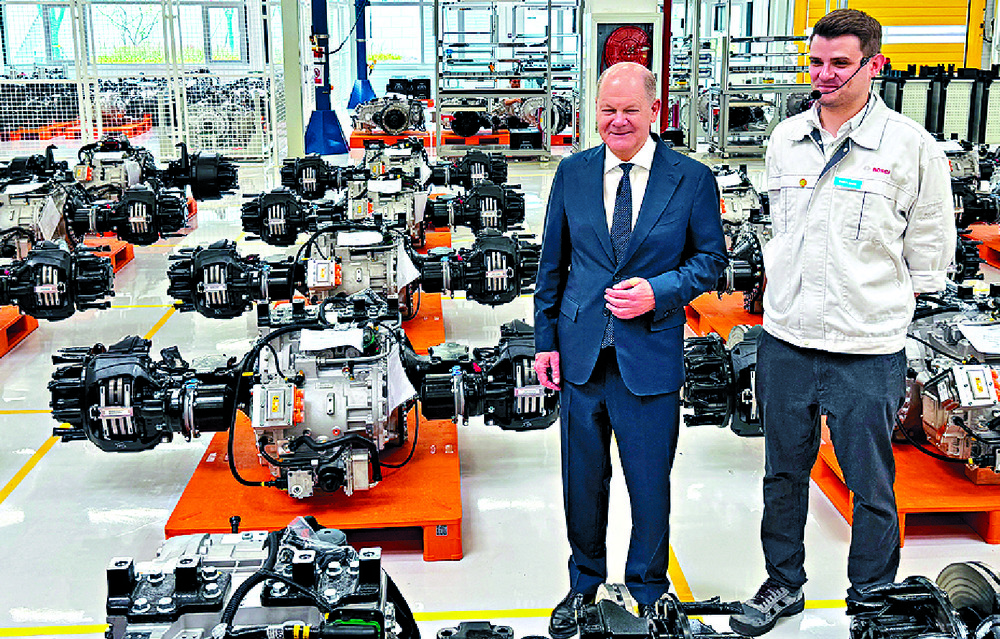
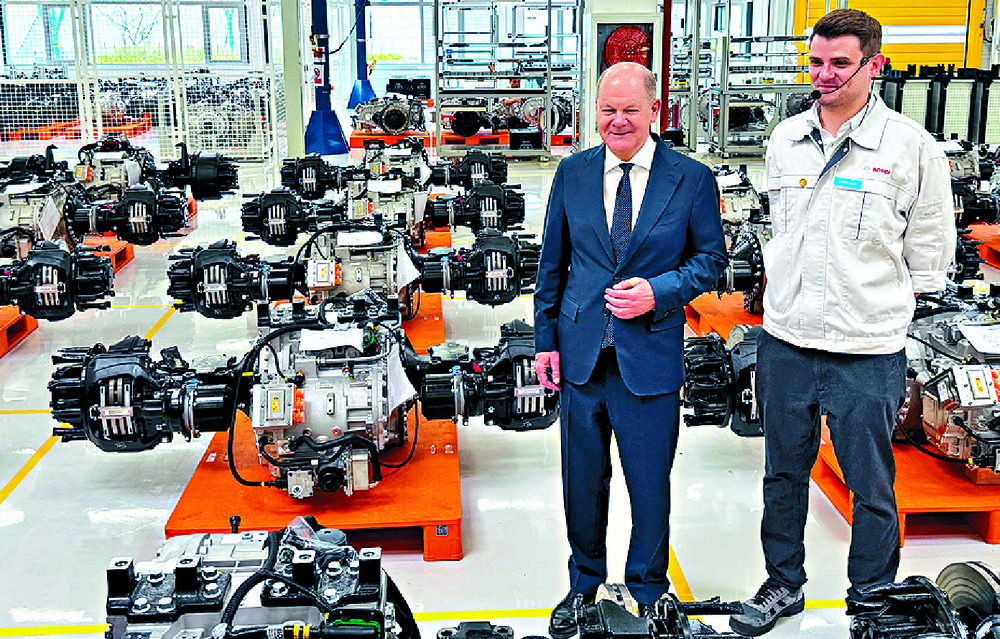
In fact, companies who are looking for value-aligned succession solutions or entrepreneurs looking for coherent ownership models have for many decades adopted these two principles, with examples of well-known steward-owned businesses including John Lewis, Bosch, Zeiss and IKEA.
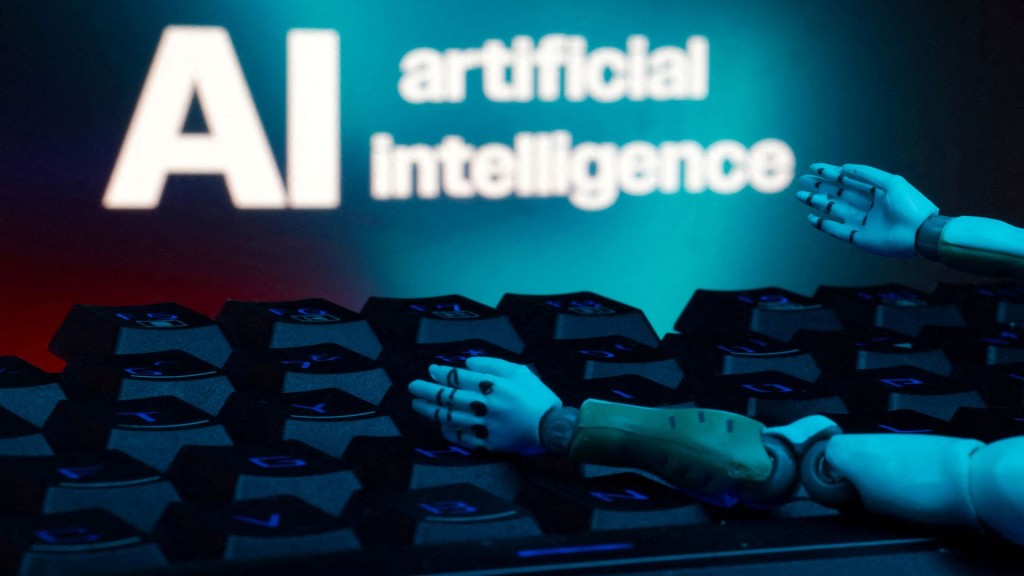
Recent converts to this unconventional purpose-oriented ownership structure are tech startups such as OpenAI, who promised investors, customers and employees on day one that they are mission-driven and independent.
The particular nature of AI establishes a new relevance for questions around who has power and who benefits financially.
Steward-ownership is perhaps the most suitable way of safeguarding tech companies that has profound implications for humanity as well as huge potential for a big-picture power catapult.
Dr Jolly Wong is a policy fellow at the Centre for Science and Policy,
University of Cambridge
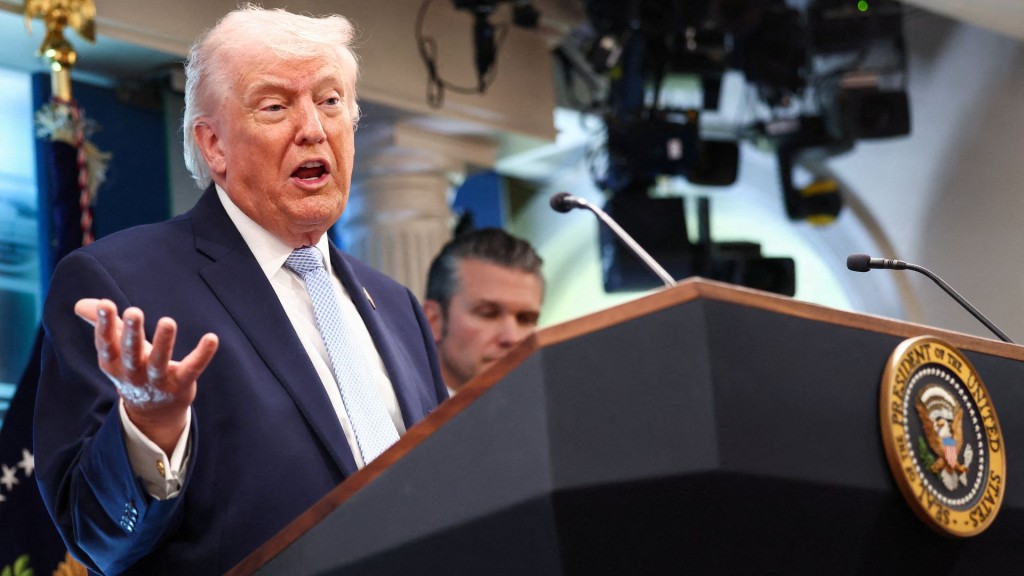
Businesses that have gone with steward-ownership or suffered consequences for refusing to own it where climate change is concerned include, clockwise from above left, John Lewis and its sustainability-based retail model; Bosch and its innovative devi