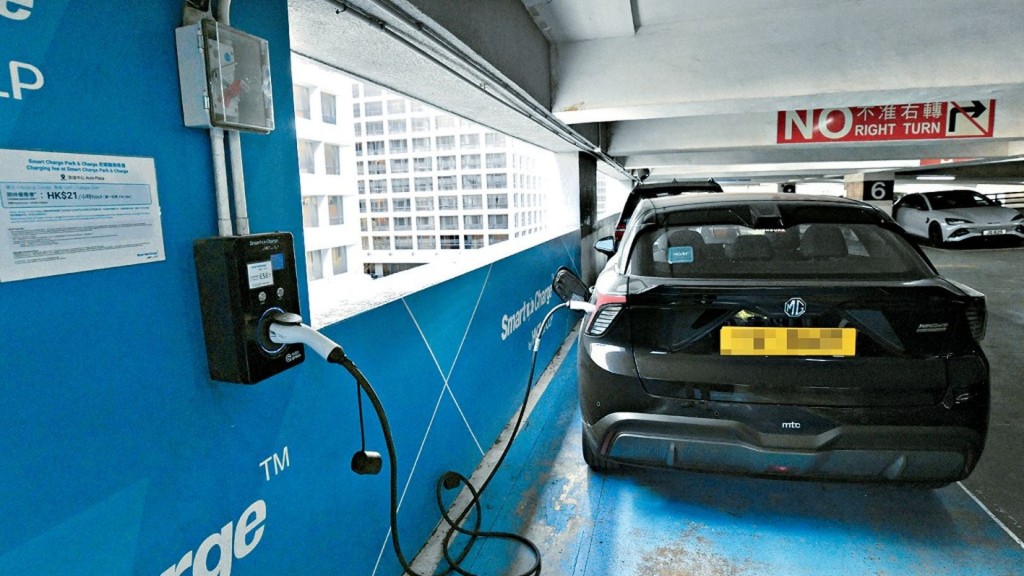
The widespread use of battery electric vehicles has created higher fire risks in car parks and garages.
Vehicle fires can occur due to many reasons. Electric fires are the most common cause. It can be caused by overloading of electrical components, but rodent attacks on wiring systems have become ever-increasing occurrences, as environmental practices promote the use of wiring insulation covering materials that attract their attacks. Careless maintenance and unprofessional installation of HiFi systems or other ancillaries with large power are also common causes of vehicle fires.
Statistics on fire incidents so far show very little difference in vehicle fire incidents for BEVs compared to petrol or diesel-driven vehicles, but there is a marked difference in firefighting for the former.
For the latter type, common firefighting systems using carbon dioxide or even water spraying can effectively douse fires. Once a fire occurs in a BEV, the vehicle will continue to burn due to the phenomenon of “thermal runaway.” In non-technical terms, it means that once a fire starts, it will continue to burn even when the supply of oxygen has been cut off.
Car parks, like many buildings, have firefighting systems using portable fire extinguishers, hose reels, and hydrants for fire hoses. These systems may be effective to fight fires for previous generations of motor vehicles, but they become ineffective once a BEV ignites. It will continue to burn furiously until all combustible components are burned off. This will cause extensive damage to neighboring vehicles and even surrounding structures.
Hence, in some countries, they impose restrictions on BEV parking to minimize fire risks, but these are inconvenient for some users. However, with an increasing population of BEVs, such restrictions will become impractical.
The known methods to fight fire for BEVs include erecting a waterproof tank-type enclosure around a car and then filling it with water, hoping the mass of water will reduce the temperature of the vehicle to a point where the combustion process can be controlled or stopped. But as we can imagine, this is not only difficult and time-consuming but also imposes risks to firefighters while erecting these tanks. It will also take hours instead of minutes to complete the firefighting process. Meanwhile, toxic fumes emitted from the burning vehicle may cause injuries. Another method is to use a large blanket to cover a burning BEV, containing the fire and letting it burn until the fire stops, but this may take a matter of hours.
A newer and safer method is to spray the burning vehicle with chemicals that can douse fires. Scientists have developed a new chemical fluid that is now beginning to appear in the market to serve this purpose.
This new firefighting fluid is non-toxic but has the properties of halting chemical reactions of burning batteries. Experiments using this new type of fluid showed that it can extinguish battery fire in a matter of minutes.
When proven, this can be used either in a portable firefighting cart brought to a burning vehicle for quick and on-the-spot firefighting activity, or pumped into a network of piping installed on the ceilings of car parks, similar to existing fire sprinkler systems, for automatic fire extinguishing needs. Adoption of this system will, of course, require proving tests and approval processes by the Fire Services Department.
Engineers continuously develop new systems and materials to meet the changing needs of the community. But priorities must be placed to ensure safety for all. This is especially vital with new equipment. The increasingly widespread use of lithium batteries for a wide variety of everyday equipment makes this a top priority.
Veteran engineer Edmund Leung Kwong-ho casts an expert eye over features of modern life