On July 19, the global Microsoft-CrowdStrike outage was a daunting test for everyone in the information technology industry.
The broad economic and social impact reflects the heavy reliance on Microsoft's Windows operating systems and CrowdStrike's security software by enterprises worldwide.
They run many critical businesses and essential services, from air travel to health care and banking.
The IT outage crippled systems and caused chaos in many countries - flights were grounded, workers could not access systems and, in some cases, customers could not make card payments in stores.
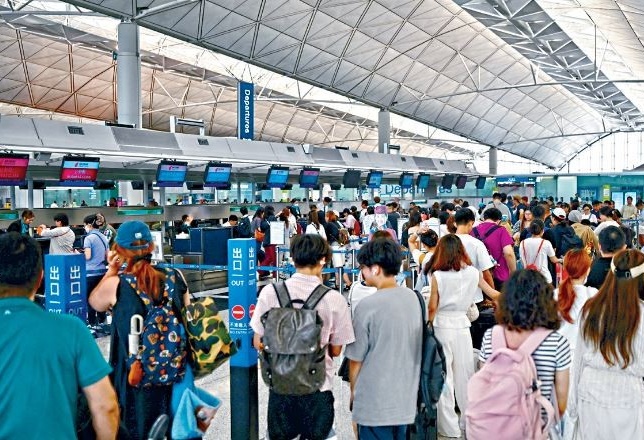
In Hong Kong, the service disruption affected airlines and resulted in delays for around a dozen flights. While some of the problems were resolved within hours, many businesses, websites and airlines struggled and needed a few days to recover.
However, IT teams across the globe have been praised for their dedication and swift response during the crisis in an open letter from Rashik Parmar, chief executive of BCS, The Chartered Institute for IT.
The head of the professional body for computing said the profession had stood up to be counted on by working around the clock on critical tasks ranging from advising boards of directors, rebooting systems or providing insights and updates across social media.
I fully agree with Parmar's remarks and, besides echoing his concerns, I want to further suggest three ways to elevate the social status and professional standing of IT experts: recognizing IT as a vital service, qualifying its practitioners into a professional register and having IT voices represented at the board level.
First, IT should be recognized as an essential utility service in our daily life.
The impact of IT work isn't always seen or understood - but it is felt daily in every aspect of life, from hospitals to schools and businesses that keep our economy alive.
It also means IT is an essential utility service and that far more IT systems should be treated as critical infrastructure that is just as important as airports, roads or rails.
Second, IT practitioners should be recognized as professionals.
Competent and committed practitioners should be proud to have their names on a professional register and held accountable, like doctors, lawyers or accountants, to the highest professional standard.
For example, the Chartered Institute for IT qualifies UK professionals in the sector with an independent standard of competence and professionalism in the technology industry, entitling them to use the post-nominal letters "CITP."
That indicates they have attained professional knowledge and responsible experience through education and training, the ability to apply fundamental principles in a wide and often unpredictable range of contexts and agreed to abide by the body's code of conduct, infringements of which make one subject to disciplinary procedures.
They are the IT experts who ensure that software and hardware never fail.
Third, IT voices should be part of corporate governance.
Cybersecurity has been identified as one of the top corporate risks for many organizations, so it's crucial to ensure that the head of IT holds a position of sufficient seniority.
For example, the proposed legislative framework for enhancing the protection of computer systems running critical infrastructure here requires management experience and qualifications on the part of an IT supervisor.
The unprecedented global outage to 8.5 million Windows devices, caused by CrowdStrike's software update, further highlighted the need for senior tech professionals to be included on the boards of every public listed company.
Effective cybersecurity governance requires active oversight from a board of directors, and that includes understanding the physical significance and legal implications of cybersecurity risks and ensuring appropriate controls and measures are put in place to mitigate risks.
Boards normally appoint directors with backgrounds as lawyers and accountants.
It's time to include a senior technologist so that IT voices can be heard.
IT professionals should be proud of their vital role in daily services and swift response to crisis situations.
Dr Jolly Wong is a policy fellow at the Centre for Science and Policy,
University of Cambridge
Blank digital billboards speak of a day of lost opportunities in Times Square, New York City, as, below, the Crowdstrike update chaos brings lots of baggage to the travel experience for many in Atlanta after canceled or delayed flights. reuters, afp