
Read More
On January 18, 1258, the Mongol warlord Hulegu Khan besieged the city of Baghdad with a boundless army. Breaking the city's defenses in 12 days, he subdued it entirely within 40 days. Blood flowed through the streets like the waters of the Tigris River, and the metropolis was reduced to ashes. That sorrowful night marked the extinguishing of a radiant global beacon: the House of Wisdom.
ADVERTISEMENT
SCROLL TO CONTINUE WITH CONTENT
Before its tragic fall, Baghdad was unparalleled in its majesty, a city of unrivalled grandeur, brilliant scholars, and magnificent architecture. It stood as a universal sanctuary for knowledge, drawing truth-seekers from East and West. To accommodate this intellectual fervor and the immense work of translation and study, Caliph Al-Mansur (754 – 775 CE) established a royal library, sowing the first seeds of the House of Wisdom.
As manuscripts outgrew the palace walls, Caliph Harun al-Rashid (786 – 809 CE) officially founded the grand institution. It reached its zenith under Caliph Al-Ma'mun (813 – 833 CE), a devoted patron of philosophy who believed knowledge was the eternal lifeblood of flourishing civilizations.
This renaissance was accelerated by the booming paper industry, a craft adapted from the Chinese. Paper-making became an economic pillar, giving rise to the warraqin – scribes and booksellers – within Baghdad's vibrant society.
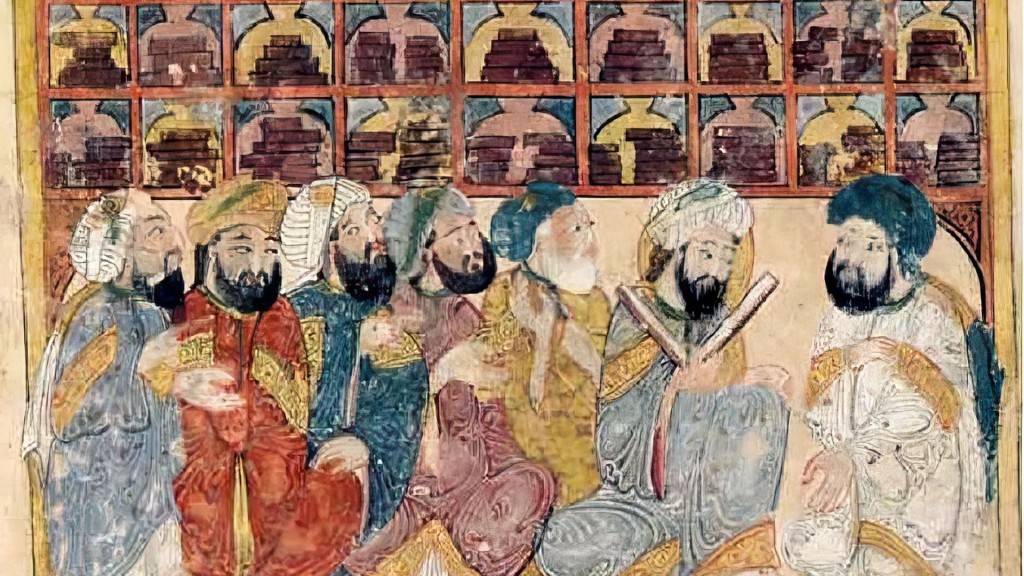
The House of Wisdom was more than a library – it was an open forum for vigorous debate and an incubator for human progress. It forged a vital bridge between ancient Eastern wisdom and European thought. When Europe finally awoke from its medieval slumber, it drank deeply from the fountains of knowledge that once surged in Baghdad.
In this sanctuary of intellect, equality reigned. Men and women, Muslims and non-Muslims, Arabs and non-Arabs united in their pursuit of truth, laying a progressive foundation that would ultimately spark the Renaissance of the entire world.
Amjad Refai is the director of the Arabic Programme at the University of Hong Kong