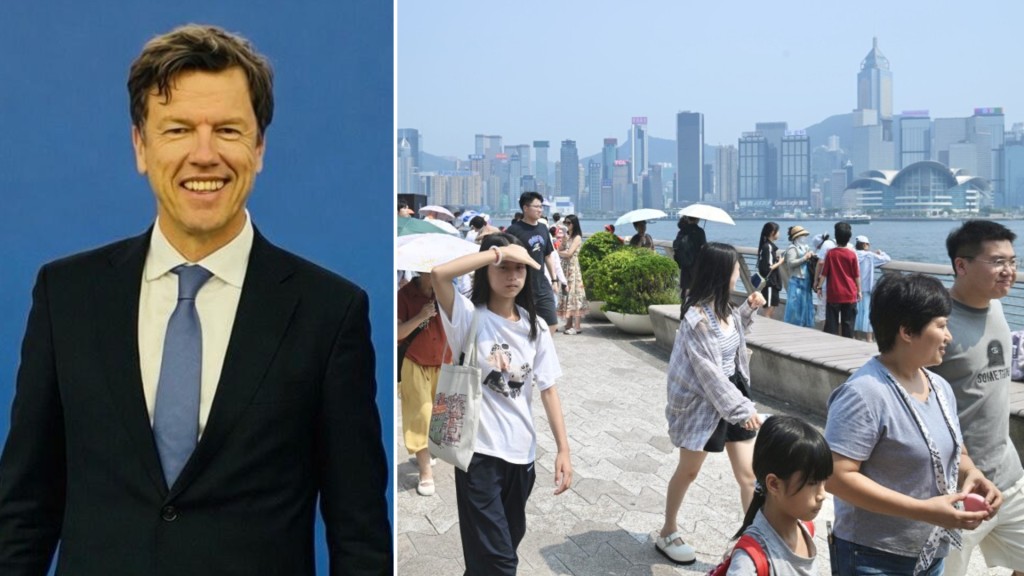
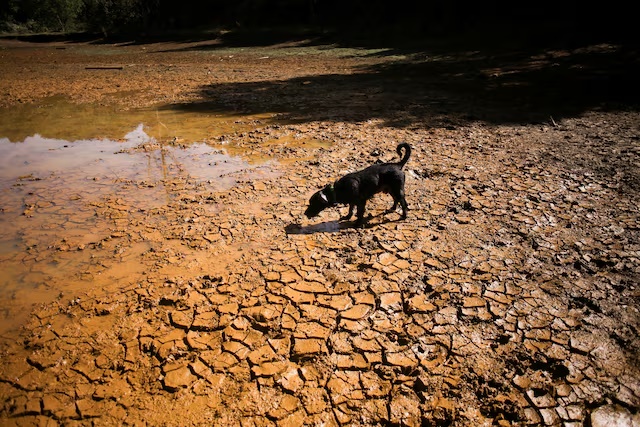
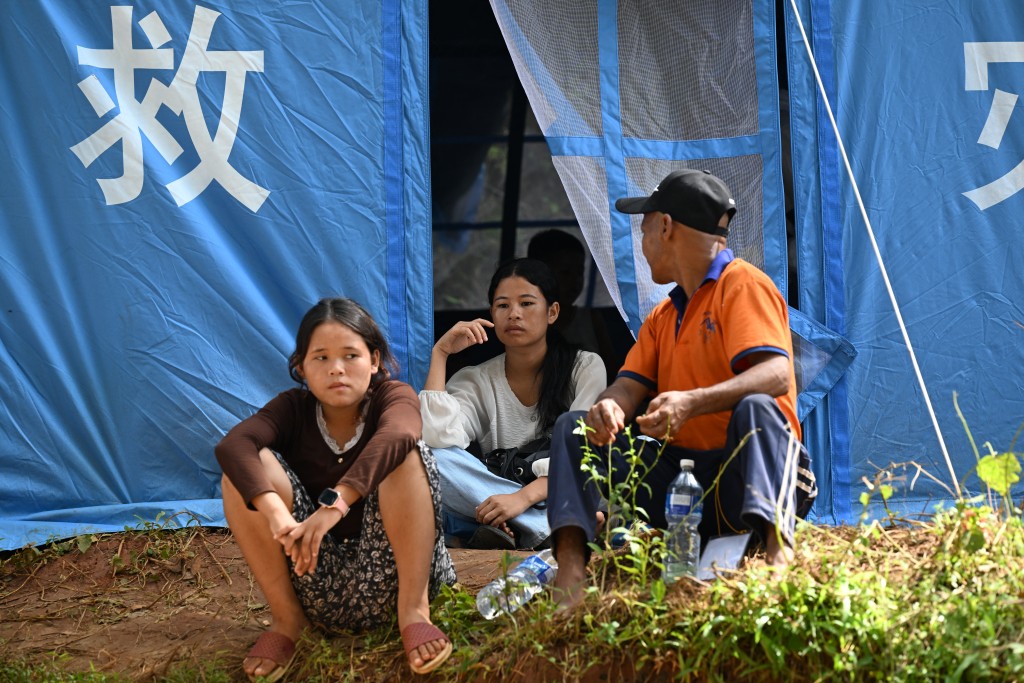
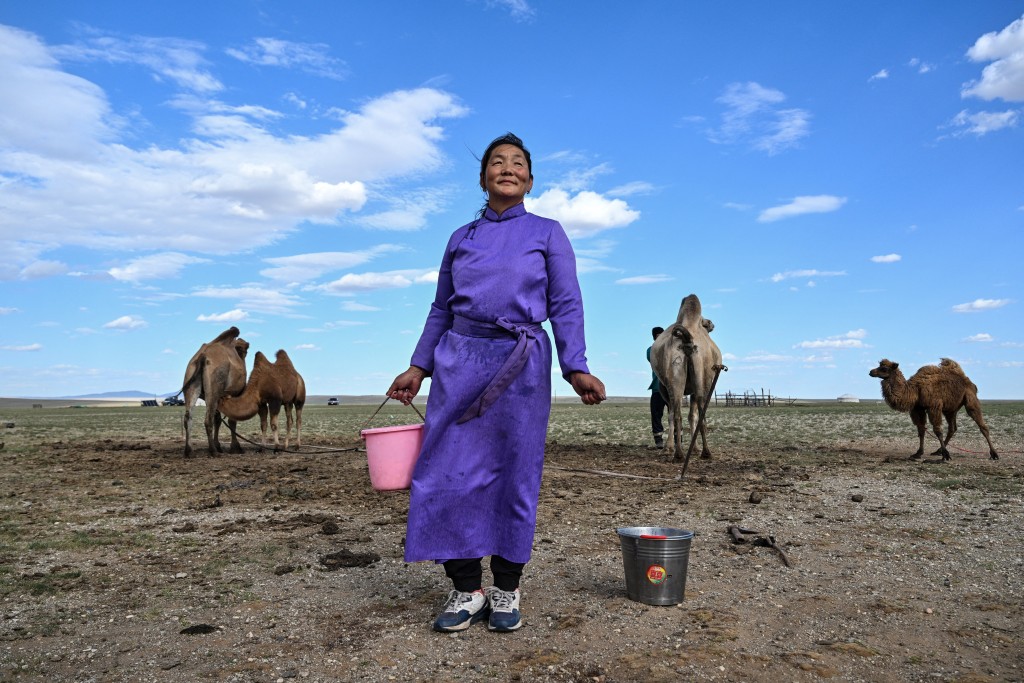
The past 11 years have been the 11 warmest on record. Heat now claims more lives than storms, floods, and wildfires combined. Global warming is contributing to all three. Those of us in Hong Kong or those visiting Europe right now see clearly that climate change is very much a reality, not a fiction.
This global issue challenges every one of us to join hands to find a solution together. The European Union (EU) is a close partner for Hong Kong on this journey. This is not only because both the EU and Hong Kong share the same commitment of achieving carbon neutrality by 2050, but also because both of us already sit on a strong relationship that can readily be leveraged.
The EU is one of Hong Kong's leading investors, with HK$834 billion in foreign direct investment stock. We are one of Hong Kong's largest trading partners, with total trade in goods and services exceeding HK$617 billion.
The EU continues to be the largest foreign business community in Hong Kong and grew by 8% last year. Our business community contributes across virtually every sector of Hong Kong's economy – including those vital for sustainability, such as green finance, waste management, green buildings and infrastructures, sustainable transport and soon even the recycling of aeroplanes. Our companies have consistently brought top-notch expertise, investment and innovative solutions that are helping Hong Kong's green and digital transformation every single day.
The EU is a leader in formulating and implementing green policies and standards. Through the Clean Industrial Deal and our Global Climate and Energy Vision, we are strengthening partnerships, mobilising investment and supporting resilient clean technology value chains around the world.
The European experience demonstrates that climate action does not come at the expense of economic growth. Quite the opposite! Since 1990, the EU has reduced greenhouse gas emissions by 37% while growing its economy by 71%.
A key component of this deep transformation has been the EU Emissions Trading System (ETS), the world's first and one of the world's largest carbon markets. The European Commission will soon present proposals to modernise the ETS and keep it fit for the future.
Alongside the ETS, we introduced the Carbon Border Adjustment Mechanism (CBAM). CBAM is not protectionism. It is about fairness. It ensures that imported products into the EU face the same carbon costs as products manufactured in Europe, creating a level playing field while encouraging decarbonisation globally. We are also introducing greater flexibility for trusted partners, including through the mutual recognition of accreditation bodies—an area where Hong Kong's strong business services sector can contribute.
The EU is also the world's largest issuer of green bonds. The European Green Bond Standard is strengthening transparency and investor confidence, ensuring that when a product is labelled green, it truly delivers environmental value. Earlier this year, European Commissioner Piotr Serafin visited Hong Kong to promote EU bonds and witnessed growing investor interest in safe, diversified and sustainable investment opportunities offered by the EU.
All these track records present the EU as a credible partner for Hong Kong in its future green development. Last month Acting Chief Executive Paul Lam joined me in opening the “Greenway 2026: Driving Sustainability through innovation”. This was the fifth edition of our annual flagship sustainability event in Hong Kong. Secretary for Environment and Ecology Tse Chin-wan, Secretary for Financial Services and the Treasury Christopher Hui and Permanent Secretary for Innovation, Technology and Industry also joined the discussion. The Hong Kong administration’s full support highlights our joint commitment to cooperation.
During the event, the European Chamber of Commerce in Hong Kong and the Hong Kong General Chamber of Commerce submitted 29 concrete recommendations from the EU and Hong Kong business communities to the Hong Kong government, with the goal of accelerating the green transformation of our economies. These recommendations were presented on stage to Acting Financial Secretary Michael Wong.
Hong Kong has already established itself as a key player in green finance: 45% of green bonds issued in Asia are from Hong Kong. Hong Kong is also very engaged on innovative finance. In turn, virtually all of EU’s main banks and financial institutions have a presence in Hong Kong and contribute to Hong Kong as a truly international, innovative and sustainable financial centre. There is an opportunity for two of the world's leaders, EU and Hong Kong, to deepen cooperation. Other areas where I see a lot of possible synergies are sustainable aviation and green shipping – two sectors which, by nature, will be decarbonised globally only through cooperation and by working together.
As Hong Kong is at the crucial juncture of developing the Northern Metropolis – an area that accounts for about one-third of the total area of Hong Kong – it is important to integrate green thinking from the start, such as adopting “Whole Life-Cycle” Carbon assessments for construction projects and further incentivise the use of sustainable and low carbon construction materials/ suppliers, as recommended by the Chambers.
During a previous posting in Kenya, I had the pleasure of meeting the renowned activist Wangari Maathai. She famously stated: “We owe it to ourselves and to the next generation to conserve the environment so that we can bequeath our children a sustainable world that benefits all.” The EU-Hong Kong partnership on sustainability is certainly actively contributing to this crucial objective with intentions on both sides to deepen it further.
Ambassador Harvey Rouse is the Head of the EU Office to Hong Kong & Macau