Read More








Right to a trial without a jury | To The Point | Cheng Huan
15-06-2026 00:07 HKT




Black rainstorm warning in force as heavy rain disrupts schools and clinics
18-06-2026 13:28 HKT
The challenge is straight from Greek mythology: hold a boulder aloft as long as possible.
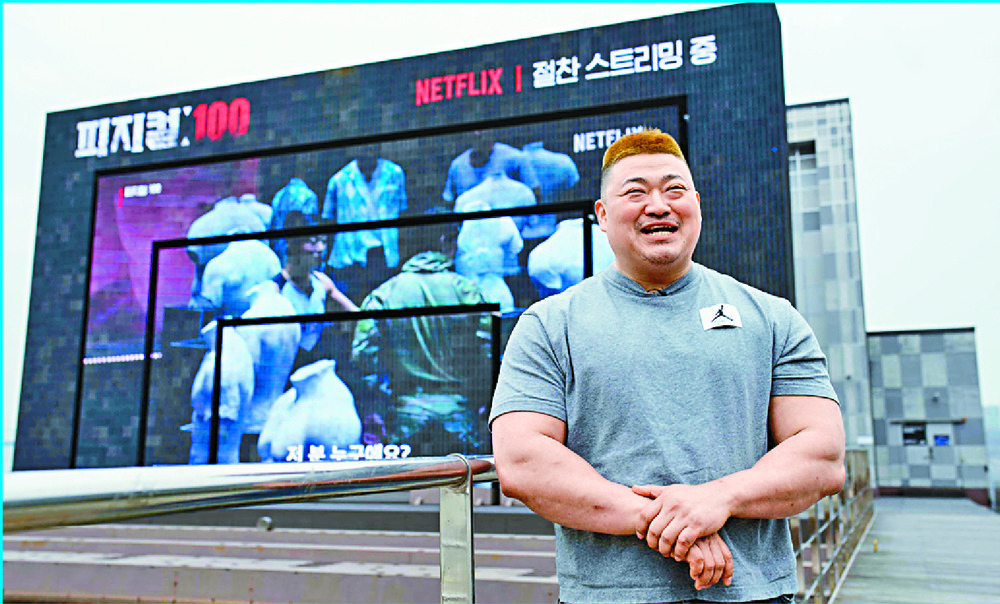
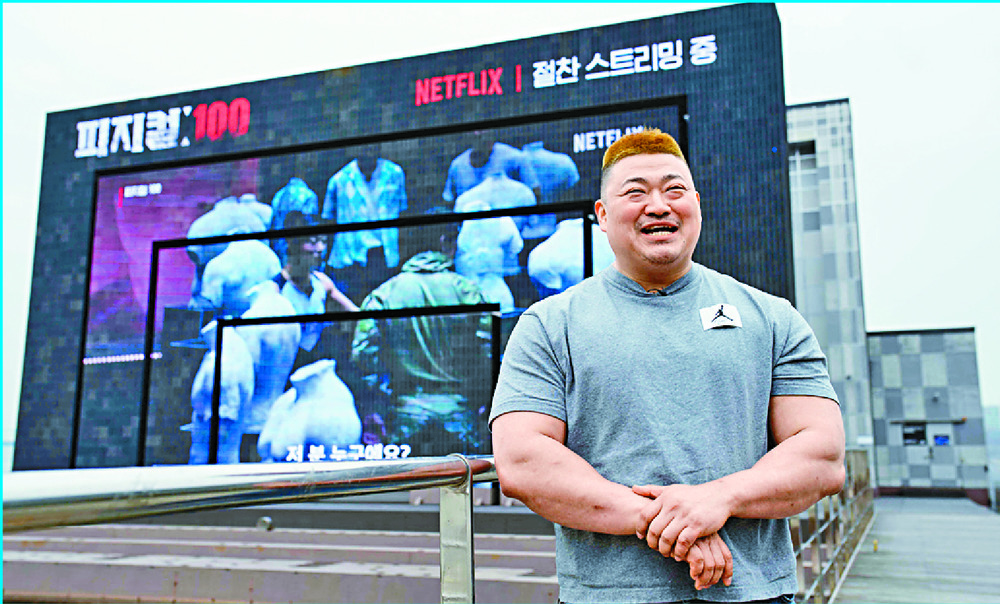
Korean car dealer Jo Jin Hyeong lasted over two hours, captivating global audiences in a reality show that could signal a new K-culture export success.
After films such as Oscar-winning Parasite and TV series including Golden Globe-bedecked Squid Game helped popularize K-content overseas, South Korea's high-quality reality shows may be next to dominate.
Physical: 100, a new Netflix show that gym buff Jo competed in, featured 100 men and women in prime physical condition, including former South Korean Olympians and ex-special forces soldiers, performing absurdly difficult challenges.
It is the first unscripted series to top the streaming giant's non-English chart, building on the popularity of dating show Singles Inferno.
Part of the charm of such shows is the roster of contestants.
Jo, who started hitting the gym as a weedy teenager and has never been a professional athlete, found he could hold his own against some of South Korea's strongest people.
The 41-year-old won one of the show's most brutal contests, the Greek myth-inspired "Punishment of Atlas" challenge, where contestants had to lift and hold a boulder that bodybuilder contestant Kim Kang Min estimated was at least 50 kilograms.
Jo managed two hours and 14 minutes.
"When I lifted it I thought it was going to end in about 30 minutes," he says. He kept telling himself: "Hang in there for just 10 more minutes, then 10 more minutes ..."
He came fourth overall in the show - an achievement he said was once unthinkable. "I started exercising in middle school because I was too puny," he explains, getting emotional when thinking of his younger self, who he thanked "for not giving up."
Over the last few years South Korean content has taken the world by storm, with over 60 percent of Netflix viewers watching a show from the country in 2022.
Netflix, which spent more than a trillion won (HK$5.90 billion) developing Korean content from 2015 to 2021, is expanding its South Korean reality show output this year. "Korean nonfiction shows didn't travel before Netflix started taking them global," says company vice-president Don Kang.
Now there are steps to make shows more easily understood by a global audience, such as simplifying the subtitles.
Car dealer Jo thought the show was proving a hit abroad due to the genuine sense of camaraderie in South Korea's sports community, saying: "We cheered each other on in every contest, comforted each other when someone lost."
The "relative wholesomeness" of Korean reality shows is a core part of their appeal to foreign audiences, says New York-based entertainment writer Regina Kim, an expert on K-content. "It's like a breath of fresh air for American viewers who might be tired of watching reality stars hook up or fight all the time."
She notes: "There are US remakes of Korean reality shows like The Masked Singer and I Can See Your Voice that have been super popular here," referring to music shows produced in English by Fox.
Physical: 100 caused some controversy by pitting contestants of different genders against each other, prompting questions about whether it was fair. Ultimately, the top five contestants were men.
But Jang Eun Sil, one of 23 women competing, says she found the format "original and fresh" and it helped to motivate her throughout the challenges.
"I just gave my best every moment ... and never thought it was unfair," says the 32-year-old wrestler.
Although she didn't win, she said competing allowed her to bring her sport to a broader audience.