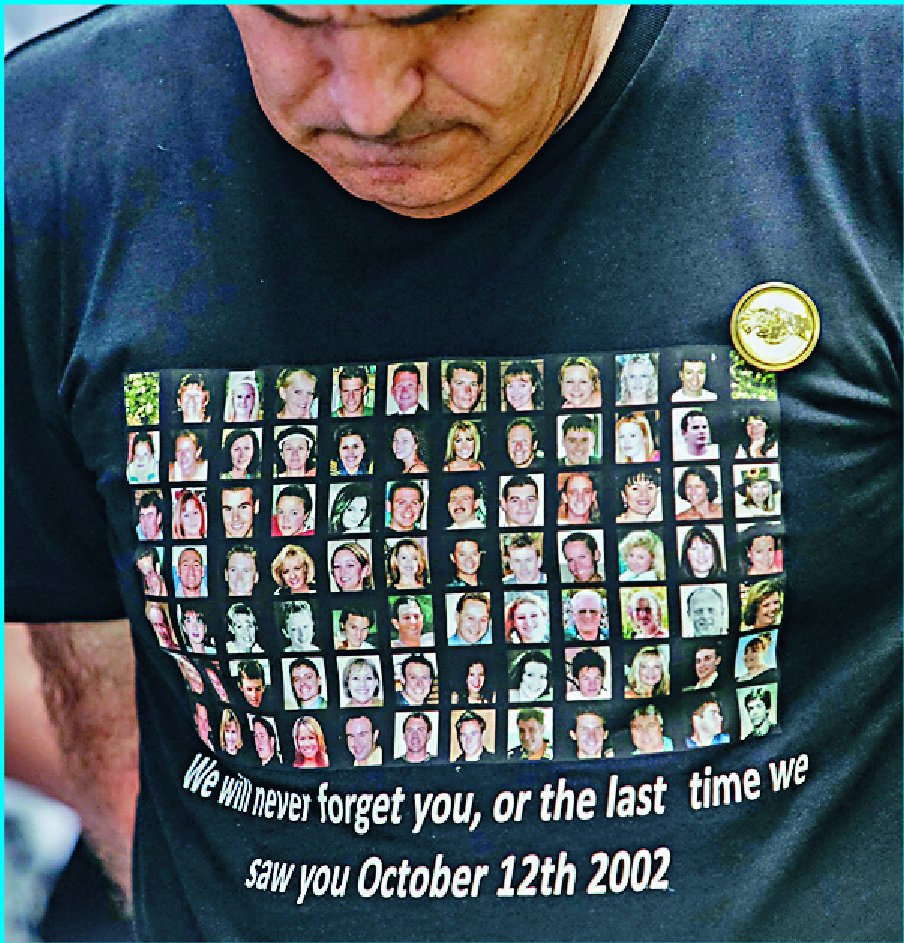
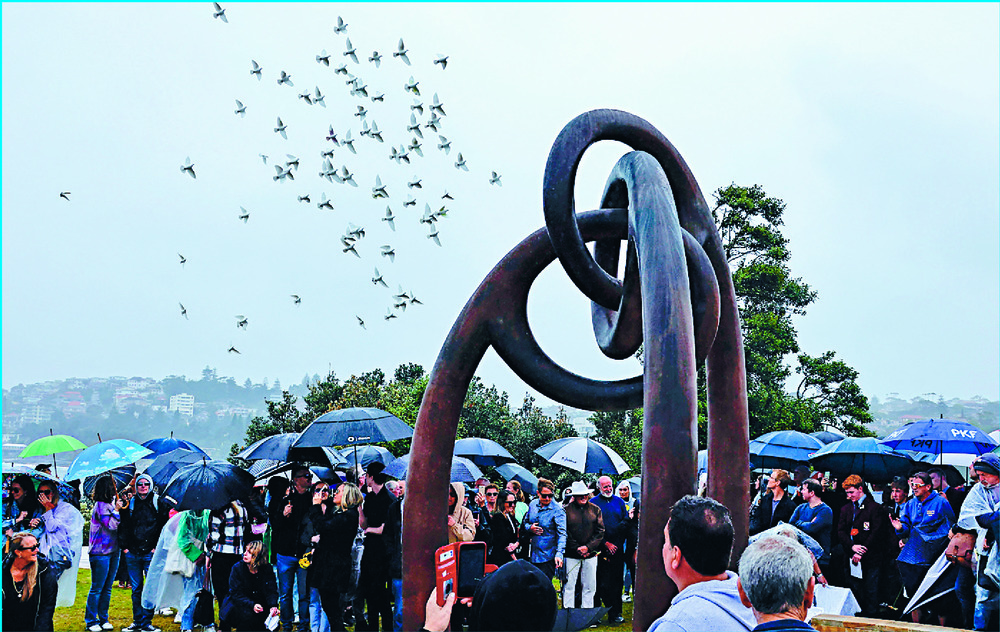
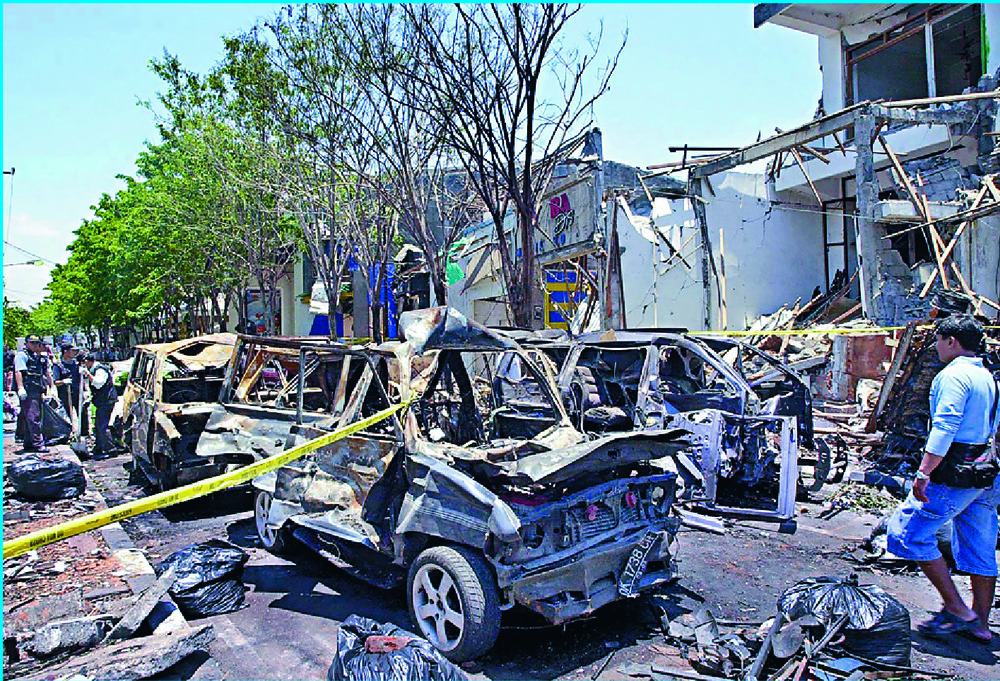
Hundreds gathered yesterday on the Indonesian island of Bali to commemorate 20 years since a twin bombing in the tourist district of Kuta killed 202 people - Southeast Asia's deadliest terrorist attack.
ADVERTISEMENT
SCROLL TO CONTINUE WITH CONTENT
Most were foreign holidaymakers from more than 20 countries, but Australia suffered the biggest loss with 88 dead.
Survivors still battle trauma from the Saturday night car bomb at the Sari Club and a suicide blast at nearby Paddy's Pub.
The area has long returned to being busy, but what was the Sari Club is a vacant lot while Paddy's Pub is 100 meters from its original location.
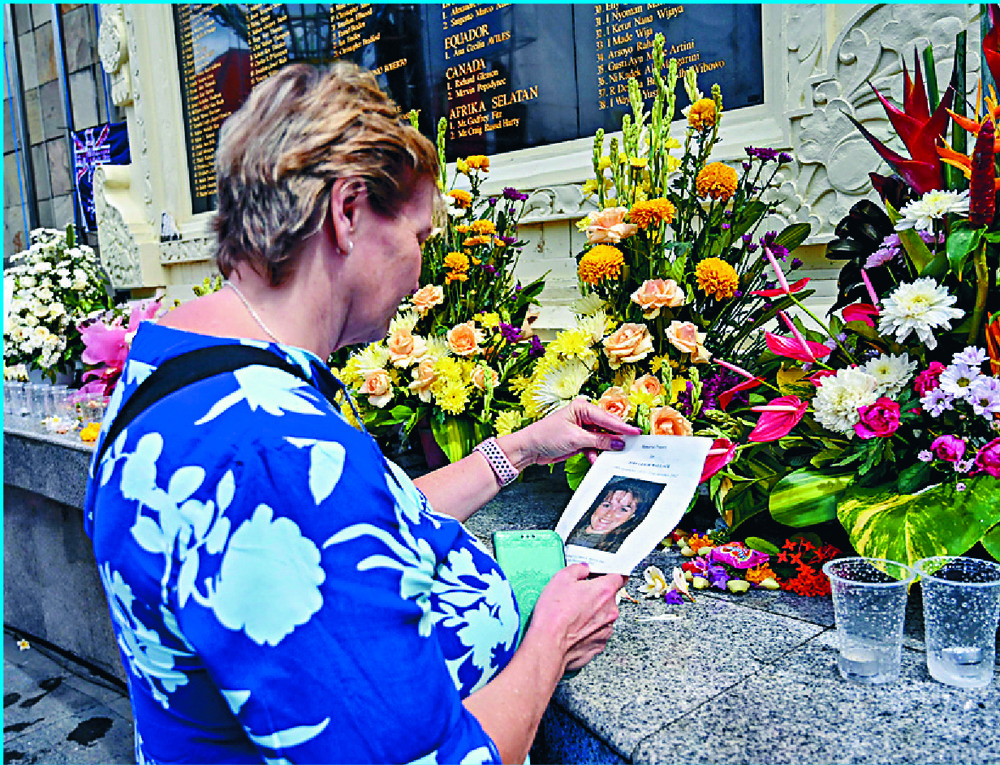
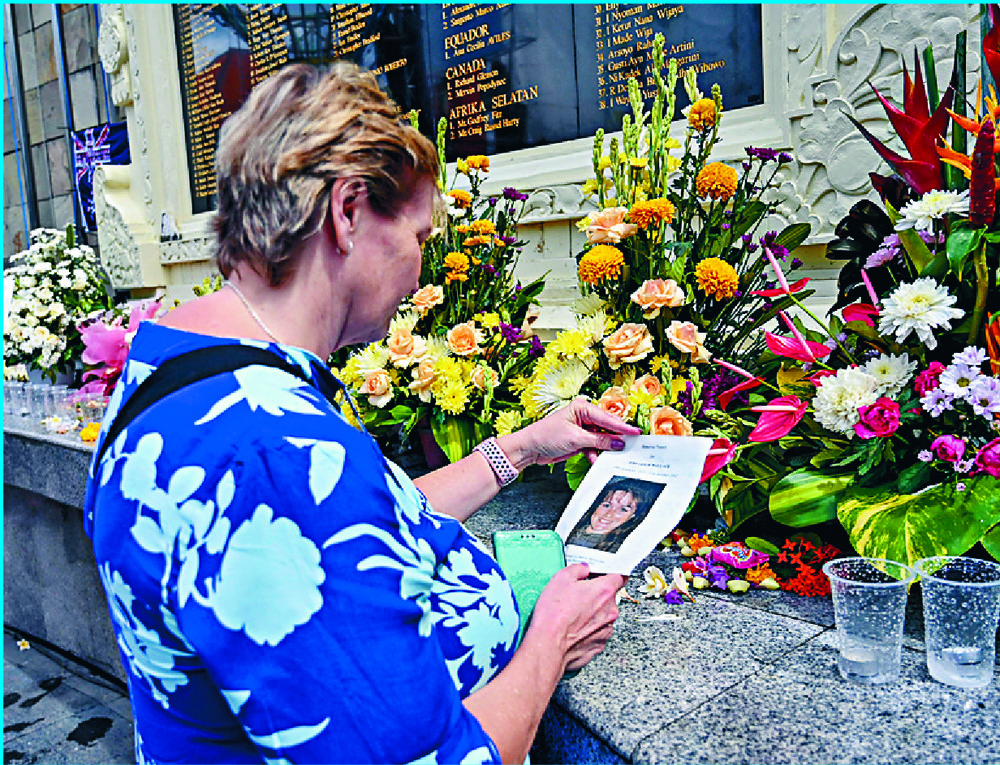
A monument stands less than 50 meters from the bombing sites with the names of the dead. People regularly pray there and place flowers, candles and photos of loved ones.
A photo of two women tied with a bouquet of chrysanthemums and roses sits next to a laminated paper that reads: "To our beautiful girls Renae and Simone. It is 20 years on and not a day has gone by without thinking of you both, and how we lost two treasures. Our hearts will cry for you forever. We love and miss you so very much. Your loving Dad and Brothers."
To be sure, 20 years later the pain is still felt.
"We will always remember those 202 innocent people, most under the age of 40, the youngest just 13," Australia's assistant minister for foreign affairs Tim Watts said at a Bali memorial service in Denpasar. "And we remember the valor and the quiet courage of those who saw the worst of humanity and responded with the best."
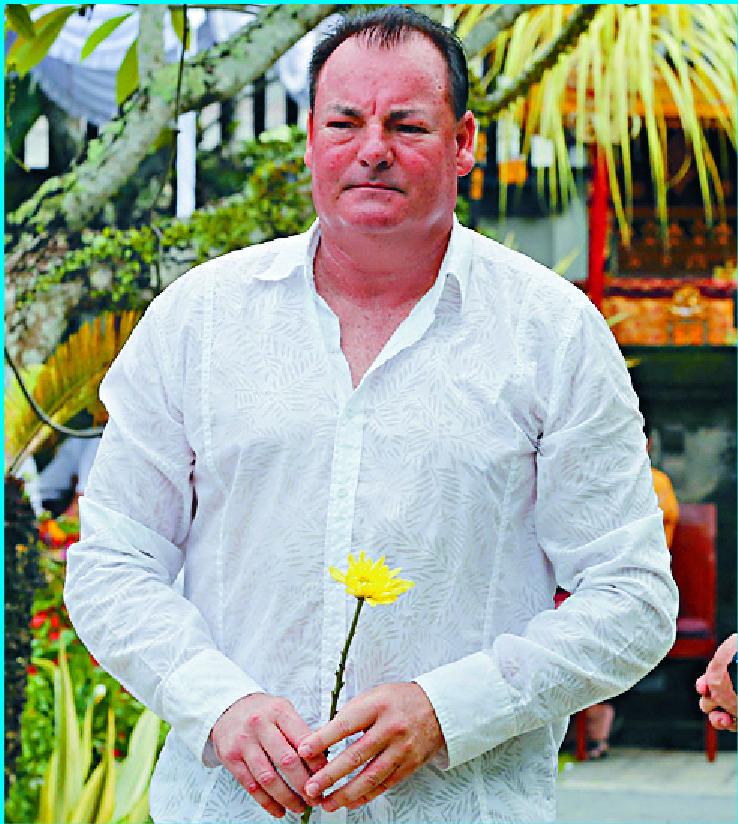
Andrew Csabi, one of the survivors at the Denpasar service, said he is grateful to first responders who applied first aid in the wake of the of the bombing and to those who medically evacuated people to Darwin, saving many lives. "So I was granted a second chance at life and I make every minute count," he said.
Victim Thiolina Marpaung, 47, an organizer of the Bali memorial who has permanent eye injuries, said: "It's okay that some people have forgotten what happened 20 years ago, but there are still real victims. There are children who lost their parents in the bombing. I don't want them to be forgotten."
Australian Prime Minister Anthony Albanese attended a service in the Sydney beachside suburb of Coogee. Six members of the Coogee Dolphins Rugby League club died in the blasts. "Twenty years on the ache does not dim," he said.
The 2002 attack, carried out by suicide bombers from the al-Qaida-linked group Jemaah Islamiyah, started a wave of violence in the world's most populous Muslim nation.
Three years later, the island experienced another bomb attack, with 20 people killed. Numerous attacks followed, hitting an embassy, hotels, restaurants, a coffee shop, churches, and even police headquarters across Indonesia.
And 20 years after the bombings counter-terrorism fighters in Indonesia remain highly active.
More than 2,300 people have since been arrested on terrorism charges, including 228 in 2020 and 370 last year, underscoring authorities' commitment to pursue dangerous radicals even as the number of terrorist attacks in Indonesia has fallen.
The pursuit of suspects linked to the Bali bombings has also continued, resulting in the arrest of Arif Sunarso, 58, better known as Zulkarnaen, in December 2020. A court sentenced him to 15 years in prison. Authorities suspect he was the mastermind of other attacks.
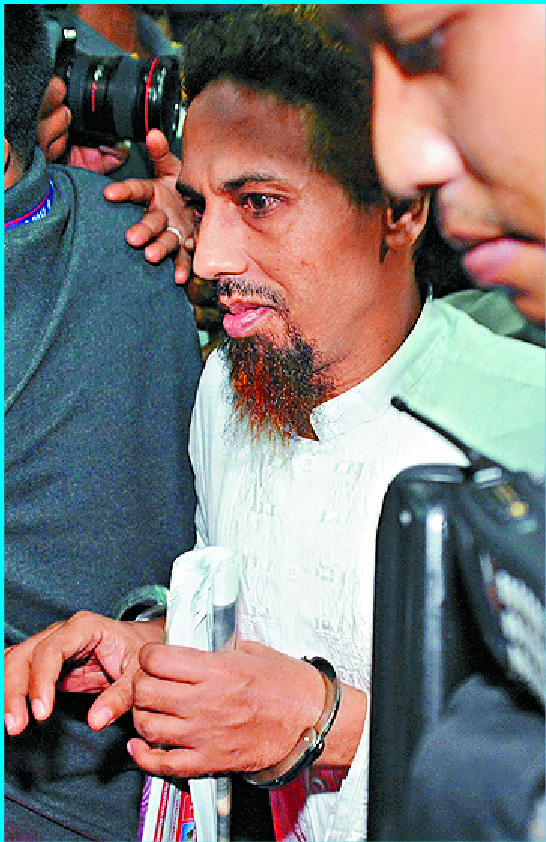
In August, Indonesia's government considered granting an early release from prison to the bombmaker in the Bali attack, Hisyam bin Alizein, 55, better known as Umar Patek, who has also been identified as a leading member of Jemaah Islamiyah.
Authorities said Patek is an example of successful efforts to reform terrorists. They planned to use him to influence others not to commit terrorist acts, but Australia has expressed strong opposition to his possible release.