Read More





Where a professional journey begins | The Weekly Reformer | Roden Tong
11-09-2026 04:54 HKT

An events capital with ideas at its heart | Yolanda Ng
10-09-2026 06:00 HKT







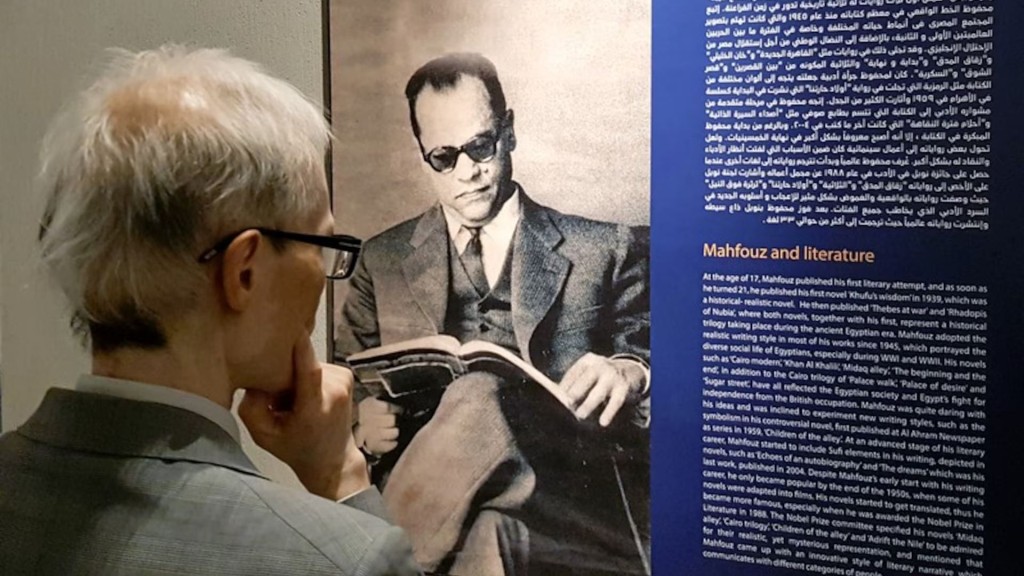
On October 13, 1988, the Swedish Academy awarded the Nobel Prize in Literature to Egyptian author Naguib Mahfouz, crowning him the first, and thus far, only, Arab writer to receive this prestigious accolade. The committee celebrated his prolific outpouring of over 50 novels and short stories, works that profoundly enriched Arab literature, resonated across countless languages, and gracefully transitioned to the silver screen.
Born into a middle-class family on December 11, 1911, in Cairo, Mahfouz studied philosophy but was ultimately captivated by the magic of storytelling. Forsaking postgraduate studies, he embraced a modest government job to secure the precious time his literary passion demanded. His life was a masterpiece of quiet devotion: government work from morning until early afternoon, writing in the late afternoon and evening, and immersing himself in reading late into the night.
Mahfouz’s literary journey spanned seven remarkable decades, blooming from his 1930s translations of works on Ancient Egypt to his final reflections in Dreams of Recovery in 2004. He masterfully wove Arab cultural heritage with Western narrative forms, marrying realism and symbolism through a deeply philosophical lens.
Emerging in 1939 with his historical novel Mockery of the Fates, he soon pivoted to social realism. Through masterpieces like New Cairo and his celebrated Cairo Trilogy, he meticulously dissected Egyptian society with vivid characters and real-world settings. By 1947, Midaq Alley showcased the peak of his literary brilliance, paving the way for a shift toward profound symbolism in the 1960s with epics like Children of the Alley and The Harafish.
Passing away on August 30, 2006, at the age of 94, Mahfouz left behind a monumental treasure: 35 novels, dozens of story collections, and countless screenplays. His pen did more than write; it sculpted the very soul of the Egyptian alley and its vibrant characters, leaving behind an eternal mirror that reflects the shifting social and political heartbeat of Egypt across the ages.
Amjad Refai is the director of the Arabic Programme at the University of Hong Kong