Read More





Where a professional journey begins | The Weekly Reformer | Roden Tong
11-09-2026 04:54 HKT


An events capital with ideas at its heart | Yolanda Ng
10-09-2026 06:00 HKT




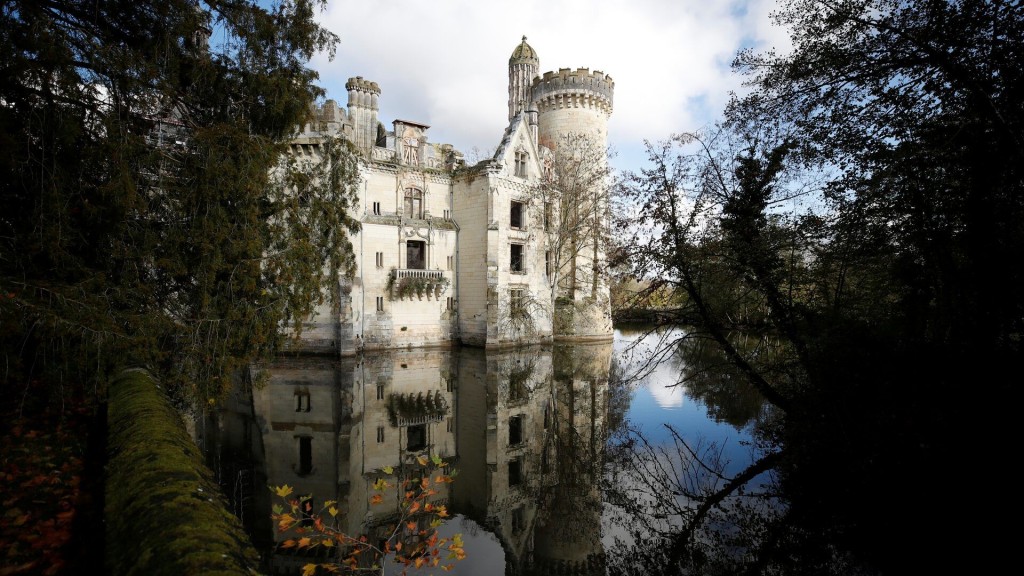
About 45,000 chateaux dot the French landscape, yet a stunning 85 percent of them are now privately managed. This striking statistic reflects a massive global shift as governments face severe financial constraints, balancing rising public infrastructure costs against changing economic priorities. To manage these heavy obligations, states increasingly partner with private individuals and corporations to oversee historic properties. Today, sustaining history relies less on state funding and far more on creative, passionate entrepreneurship.
I have met two visionary custodians turning historical estates into thriving cultural landmarks. The first is Alexandre de Vogüé of Chateau de Vaux-le-Vicomte. Meeting him a few years ago, I fell in love with his famous candlelit evenings. Having a magnificent dinner on the grounds under thousands of flickering flames was pure magic and romance. Strict state regulations mean public monuments rarely host such intimate experiences. As a private operator, de Vogüé has the unique agility to navigate these safety measures beautifully, creating an exclusive, sought-after experience that funds the estate’s upkeep.
Then there is legendary interior designer Jacques Garcia. His sultry, velvet design of Paris’s Hotel Costes is my absolute mandatory sanctuary during my frequent trips to the capital. But funding his own magnificent masterpiece, the colossal Chateau du Champ de Bataille in Normandy, demands extraordinary measures. To support the estate’s long-term future, Garcia launched a global tour to promote a blockbuster Sotheby’s auction. I caught up with him during his promotional stop right here in Hong Kong, where he gracefully parted with 75 of his prized royal antiquities. That deliberate sacrifice injected millions of euros directly back into his estate’s preservation.
Yet, this intersection of private wealth and heritage can culminate in ruin. For every success, there are devastating flops where passion miscalculates the cost of restoration. Buyers frequently succumb to the “chateau trap,” underestimating structural emergencies like collapsing foundations or toxic roof decay. When capital dries up, history is left to rot – a harsh truth that love and passion alone cannot fix a 500-year-old roof.
When public budgets are limited, history thrives through these innovative partnerships, giving historic stones a vibrant new soul. Yet this reliance on individual devotion leaves a haunting question: when the passion fades, or when these estates pass to the next generation, what will happen then? Can a legacy built entirely on personal capital truly survive, or are we simply delaying history’s expiration date?
Joanne Chan, Art Historian, Chevalier de l’Ordre des Arts et des Lettres. A kaleidoscope of musings and flâneries through France