Read More




From Hong Kong to the world: Robocore's next move | Market Pulse | HKTDC
28-09-2026 05:00 HKT





The magic of Yann Arthus-Bertrand | La Vie en Rose | Joanne Chan
24-09-2026 05:20 HKT



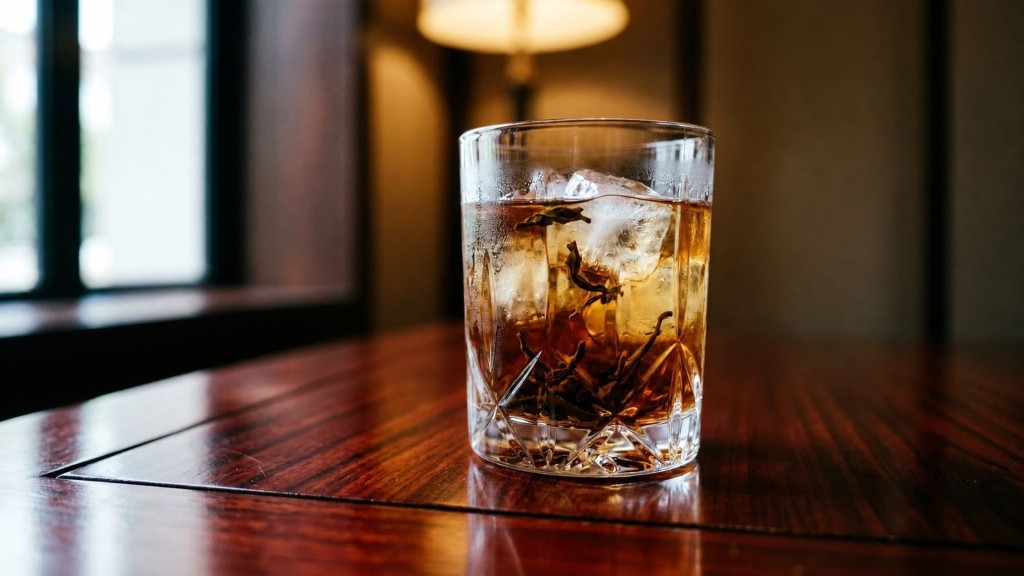
When summer settles over Hong Kong, even the most disciplined tea drinker begins to look for a different kind of pleasure. There are afternoons when the usual ritual of steam and porcelain feels too heavy for the weather. On those days, I find myself reaching for cold brew tea. It has the elegance of restraint. It is refreshing without being crude, expressive without excess, and perhaps most importantly, it reveals a gentler side of the leaf that hot water often pushes too hard.
There is real science behind this softness. Bitterness in tea usually comes from a faster extraction of catechins, tannins, and caffeine at higher temperatures. Hot water pulls these compounds out with force. Cold water moves more slowly. It still draws out aroma, sweetness, amino acids, and texture, but with less emphasis on the harsher elements. The result is a cup that feels smoother, rounder, and often more floral. It also tends to contain less caffeine than a standard hot infusion, which makes it particularly appealing in the evening. For those of us who still enjoy tea after dinner but no longer wish to negotiate with insomnia at two in the morning, this is a civilized solution.
There are several ways to prepare it, each with its own character. The simplest is the classic cold brew. Loose leaves are placed in cool water and left in the refrigerator for several hours, sometimes overnight. For this method, I am very fond of Biluochun. Its gentle sweetness and soft green aroma become almost silky when brewed this way. Japanese sencha also performs beautifully, especially if you enjoy a cleaner, more marine profile.
Then there is ice brew, which is more precise and more poetic. A small amount of ice is placed directly over the leaves and allowed to melt slowly. This creates an exceptionally concentrated and delicate liquor. High grade sencha is superb here, as is a refined high mountain oolong. The slow melt preserves detail and gives the tea a luminous clarity.
Ice drip is more architectural. Water, often in the form of melting ice, falls slowly through the tea in measured drops. It feels almost like a laboratory instrument, but the result can be extraordinary. Light oolongs are especially suited to this method. A fragrant Taiwanese oolong becomes almost crystalline.
The fourth method is flash chill. You brew the tea hot with precision, then cool it rapidly over ice. This is ideal when you want brightness and aroma with immediate refreshment. Sencha works very well, and pu-erh can also be fascinating if handled carefully.
For evenings, I often return to darker teas as well. A well chosen pu-erh prepared by cold brew can be deeply satisfying. The earthiness becomes quieter, the texture softer, and the whole cup feels calm and grounding. In summer, that balance matters. Cold brew tea is not simply tea served cold. It is a different philosophy of extraction, one that rewards patience and understands that in heat, as in life, gentleness often carries the most elegance.
Dixtionary is a global citizen and seasoned entrepreneur who views luxury through the lens of philosophy and heritage / @dix.tionary