
Read More
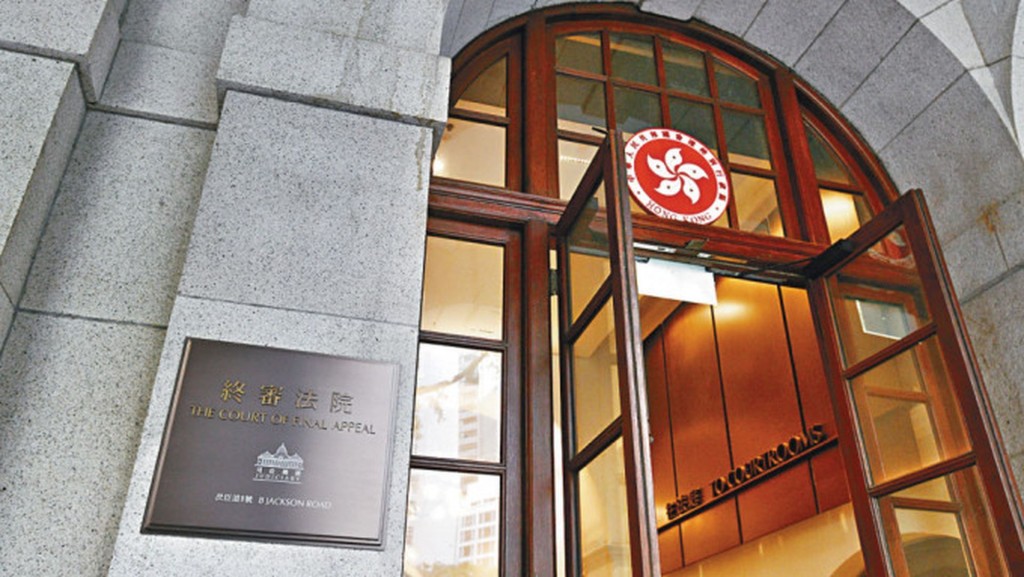
Few people would now remember that Chinese, in addition to English, became an official language in Hong Kong after 1974. By reason of amendments to legislation, the restriction on the use of Chinese in higher courts was removed after July 1995.
ADVERTISEMENT
SCROLL TO CONTINUE WITH CONTENT
What does this mean in practice? For areas of practice where the main focus would often be on a factual dispute rather than a legal one, and in a community that is mainly Chinese speaking, it will often be more efficient to conduct proceedings in Chinese.
The numbers speak for themselves. According to criminal cases’ statistics provided by the Department of Justice last year, over 80 percent of cases heard in the Magistrates’ Courts and District Courts were conducted in Chinese. Almost 90 percent of Magistracy Appeals heard in the High Court were conducted in Chinese.
By contrast, less than one-third of the number of trials conducted in the High Court were in Chinese. In the arbitration field, an increasing number of cases are heard in Chinese, or partly English and partly Chinese.
It is probably not the case that there are fewer cases in English in absolute numbers, but since the number of cases fully or partly heard in Chinese has increased substantially, the demand for bilingual and trilingual lawyers has naturally increased.
Whereas in the not too distant past, it was quite common to find many local lawyers struggling to read and write Chinese, and on certain occasions, speaking it fluently, often by reason of having gone abroad to boarding school or spent many years elsewhere.
These days, given the market situation, almost all entrants would be expected to be perfectly bilingual. From the excellence of our local schools and universities, there is much hope that our next generation will be able to take advantage of the growing legal market.
José Antonio Maurellet SC is the Chairman of the Hong Kong Bar Association