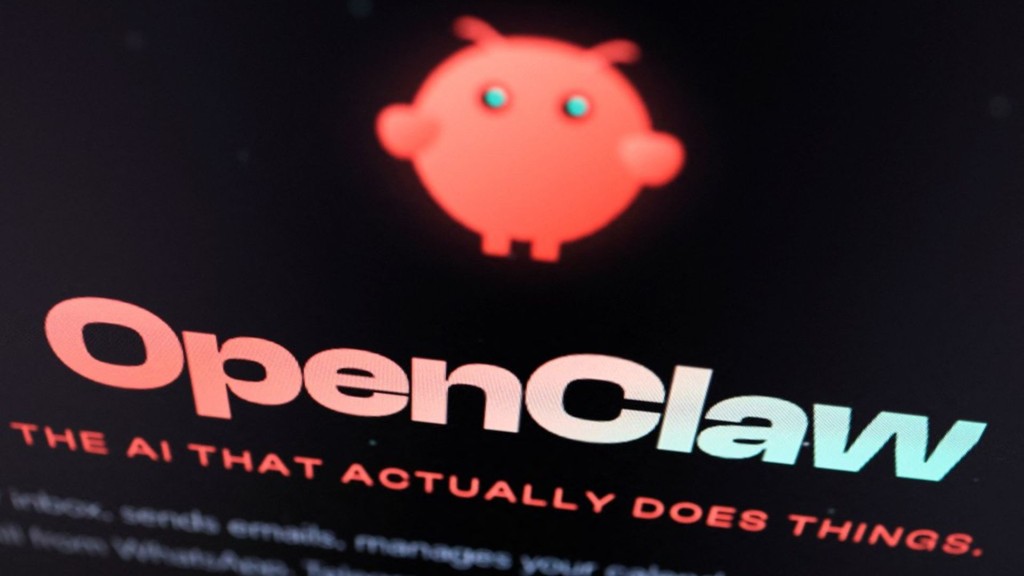
OpenClaw is an open-source AI agent that can perform real tasks such as replying to emails, planning your day, booking trips, or checking stocks. The project started as Clawdbot, later changed names, and is now widely known as OpenClaw. In China, people call it long xia, or lobster.
Recently, “raising a lobster” has become extremely popular in mainland China. Large tech companies such as Tencent and Alibaba Cloud provide deployment options on their cloud platforms, often for free or at very low cost. Some even host events where hundreds of people line up to get it installed on their laptops.
The concept is powerful: an AI that can plan steps, use tools, and complete tasks independently. Many believe tools like this could become a major part of future digital work.
However, after testing it for real tasks for about a month starting from February, I found clear limitations. For simple jobs like drafting emails or creating schedules, it works really well. But for more complex tasks such as researching facts, analyzing financial data, or summarizing news, it often makes mistakes.
The biggest problem is hallucination. When it cannot access a webpage or verify information, it may invent convincing but false details instead of admitting uncertainty. This can produce conclusions that sound correct but are actually wrong.
Memory is another weakness. It often forgets previous instructions or conversations, especially over longer periods. Complex tasks can also trigger repeated tool calls, consuming large numbers of tokens and quickly increasing API costs.
Security is also a serious concern. To function fully, the agent may require access to email, files, calendars, or financial apps. If it hallucinates or is manipulated, it could send incorrect messages, delete files, or trigger unintended actions.
For now, OpenClaw is best treated as an experimental tool. It can be useful for light tasks, learning, or experimentation, but it should not control sensitive data or critical systems. If you run it locally, it is safer to isolate it on a separate machine, such as a separate PC or a sandboxed computer, rather than your primary workstation. Always verify its output and avoid giving it direct control over money, email, or private information.
Allen Au is a tech startup founder, AI architect, and YouTuber