Read More






World Cup 2026 reflects impact of mega events | High-flier | Jeffrey Lam
21-07-2026 02:05 HKT
Singapore mulls tax cuts as top finance professionals return to Hong Kong
25-07-2026 21:22 HKT


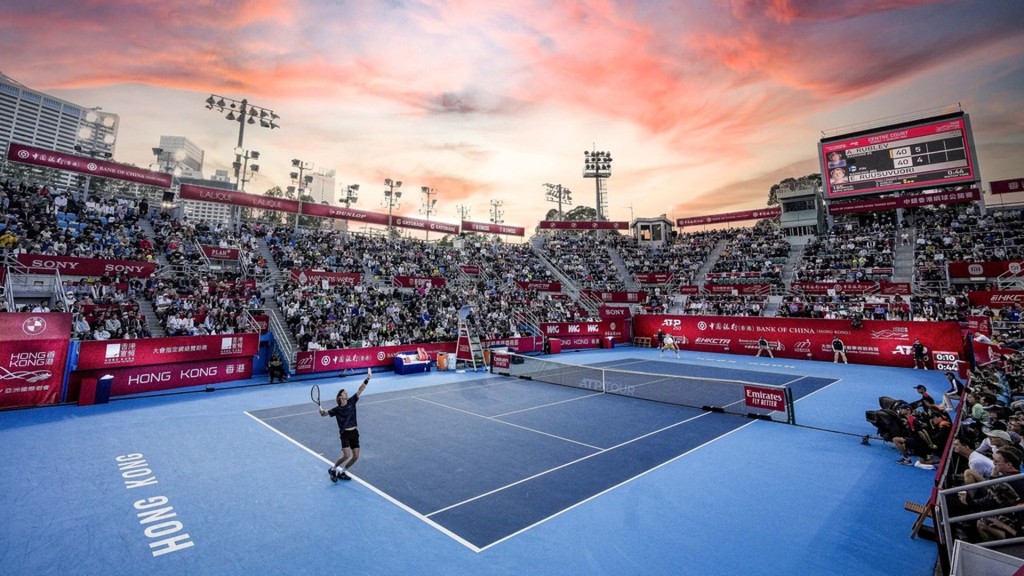
The spectators at this year’s Hong Kong Tennis Open are not the only ones feeling the energy at Victoria Park. In the Culinary Room, the tournament’s premium dining area, artist Wing Chan’s “Hong Kong Tapestry” series creates its own atmosphere, quietly focusing on rhythm and detail. While matches play outside, Chan’s photomontages depict silhouettes, blocks of color, and scenes of city life indoors.
During last week’s ATP 250 event, Chan’s solo exhibition brought his vibrant artworks, which transform everyday urban scenes into reflections of our dense, rhythmic city to the center of the Champions Club.
Corporate guests and invited patrons were able to watch the matches while enjoying sumptuous meals prepared by leading local chefs with mesmerizing artworks.
The setting makes art feel more personal and engaging. From a distance, the images look like simple abstract grids. But as you get closer, more details emerge. You begin to see scenes from daily city life – people commuting, shopping, or going to work – woven into the patterns. Each figure seems frozen in a brief moment, as if time has stopped for a second.
Many of the pieces on display were completed in the past three years and are being shown locally for the first time. One montage, made from scenes in Mong Kok East, layers older walkers and quick-moving young people against bold squares of color. It quietly reflects on stamina, aging, and the unseen burdens people carry in the city. Another piece, inspired by the lime-green front of Hung Hom MTR station, becomes a swirl of black silhouettes that suggests the constant movement of commuters.
Chan’s Urban-Tapestry series has been exhibited in galleries and fairs in major cities such as Paris, New York, and Seoul. But in the Culinary Room, it creates a different kind of connection.
Removed from the speed and intensity of tennis, the exhibition allows diners to pause and take a closer look at the images. Small everyday moments begin to surface, creating a quieter, slower experience that encourages viewers to keep looking and notice the city’s rhythm woven into the patterns. Much like tennis itself, the artworks reward patience – the more you observe, the more they reveal.
Bernard Charnwut Chan is the chairman of the West Kowloon Cultural District