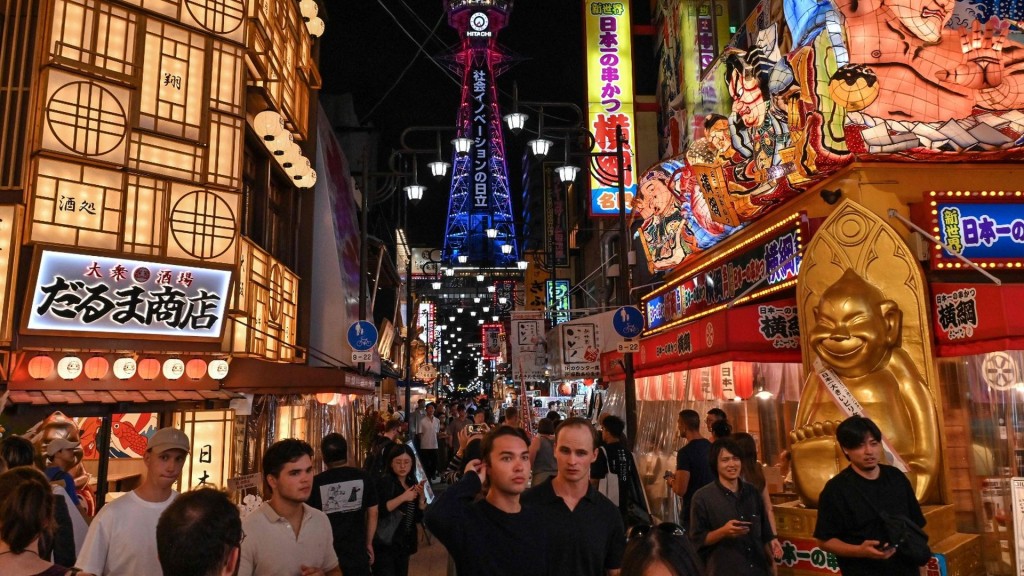
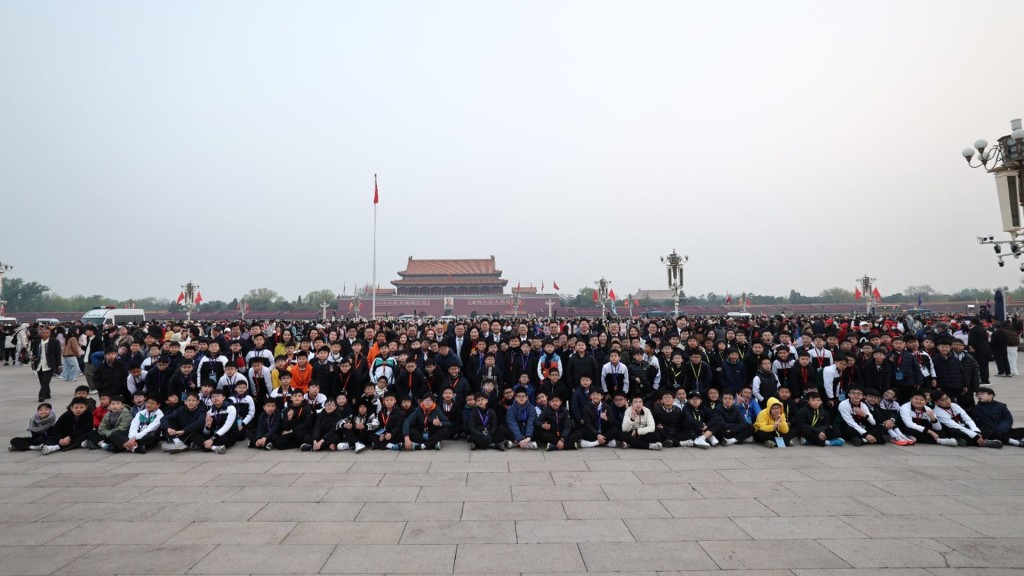
As autumn descends in the land of the rising sun, something else is rising above the social horizon. This being Japan, the people are reluctant to talk about it openly but the locals are feeling overwhelmed by foreigners. You can hardly blame them. After all, nearly 37 million tourists are choosing to take their holidays in Japan every year. Like an unstoppable tsunami, the numbers are overwhelming the country’s social harmony. Of course, the people enjoy the money the foreigners bring but they dislike the damage done to their culture. Make no mistake about it, the Japanese are murmuring among themselves that these hordes of foreigners are creating a social fissure that resembles an earthquake’s fault line.
Japanese workers watch the tourists flood along their streets, often spending money with abundance while they themselves must struggle to earn enough money to survive. For decades, wages in Japan have been as stagnant as taxes have been high. This is especially true in the services sector which is bedeviled by low take-home pay. The vibrancy that tourists bring does not translate into improved livelihoods for the Japanese who look after them.
These economic pressures are also made worse by the country’s falling birthrate. Japan, sad to say, is running out of people – fast. Young Japanese often abandon plans for a family because of the cost and insecurity, which accelerates population decline and exacerbates economic stagnation. Unfortunately, right wing politicians are using this social backlash against tourists to promote their own nationalist extremism. They preach the idea that Japan’s economic malaise is caused by foreign, mainly male, arrivals. As in every country, it is as easy as pie in Japan to use social media to amplify grievances.
Thus it is that the right wing political party Sanseito, run by the teacher Sohei Kamiya, is gaining increasing support among young voters and is winning more seats in the Diet. He peddles the idea that all Japan’s economic problems are caused by foreigners.
Sohei Kamiya, leader of surging nationalist party Sanseito, speaks at a campaign rally in Yokohama, in September. AP
What is it exactly that so annoys the Japanese about tourists? They complain that foreigners are noisy, rude, disrespectful (especially at temples), and – needless to say – take intrusive photographs. The result, the Japanese fear, is cultural erosion. The meiwaku gaikokujin, or nuisance foreigners, who used to be laughed at for their misbehavior are now, because of the numbers, thought to be a cultural threat.
But the irony of course is that foreigners want to visit Japan because the Japanese are not noisy, not rude, and very respectful! It is also the safest nation on earth. And Chinese consumers love cities like Tokyo, Osaka, and Kyoto because they are packed with high-end shopping. The food is delicious. And the culture is not just beautifully ancient, it can also be ultra-modern in the arts, architecture, and fashion.
This being Japan, the authorities are mounting a defense in the form of tighter control of short-term rentals, timed entry and visitor caps at fragile sites, promotion of off-peak tourism, and efforts to disperse visitors beyond the tourist hotspots. There is also talk of limits on purchases of property by foreigners and the re-investment of tourism revenue into public services. A balance between visitor benefits and the well-being of the local residents has become a national ambition.
Foreign tourists’ sudden love-affair with Japan and all things Japanese has forced the country to a crossroads where it must decide which way to turn. External admiration has collided with internal unease. Tourism has opened up a can of worms by exposing deep social problems. It is to be hoped that Japan will manage the challenge of tourism by encouraging a respect for local life and use the economic gains from tourism to improve incomes. Above all, let us hope that Japan resists a simplistic scapegoating of foreigners. I love to visit Japan and certainly don’t want to feel that I am not welcome! All of us who choose Japan as our favorite destination must pray that the country strikes the right balance and makes tourism a sustainable engine of shared prosperity rather than a catalyst for ever deeper social fracture.
Cheng Huan is an author and a senior counsel who practices in Hong Kong.