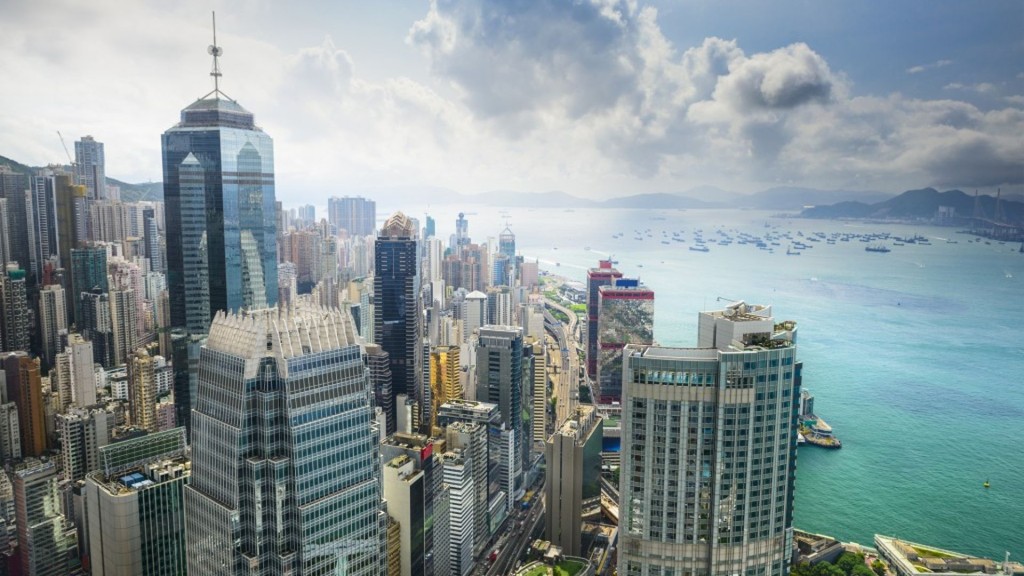
With the addition of the third runway last year, the Hong Kong International Airport has greatly increased its capacity for landings and takeoffs. The next focus is on the passenger transport connection outside the airport.
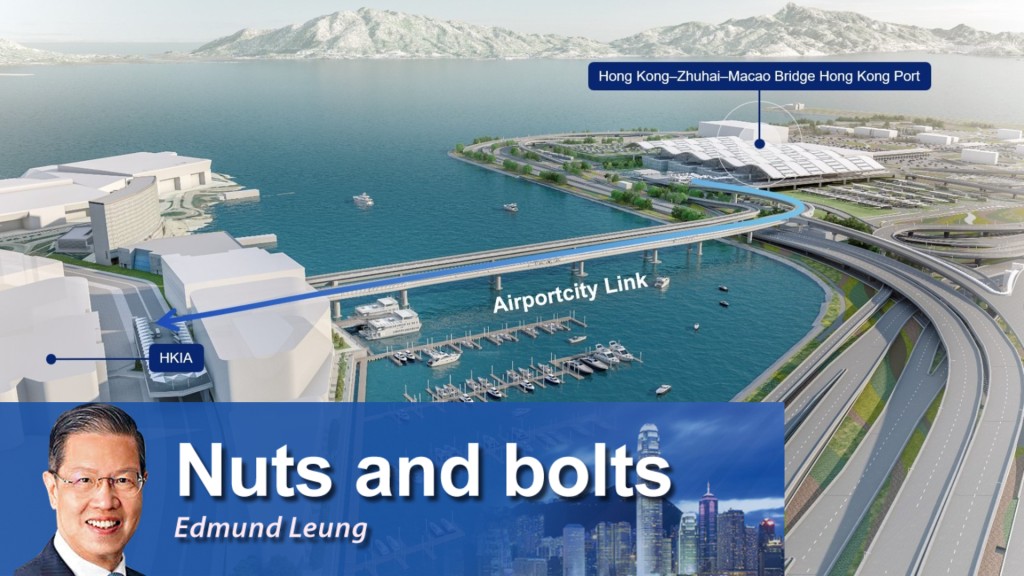
While Airport Express and the current transport system are successful in rapidly moving passengers to and from city locations, there is still a need to connect passengers to the Hong Kong-Zhuhai-Macao Bridge for further connection to the Greater Bay Area and to the nearby Tung Chung Town Centre.
However, hiring skilled labor, especially drivers, has been challenging in the last few years, so it is gratifying to hear that HKIA has come up with an innovative solution: autonomous or driverless vehicles.
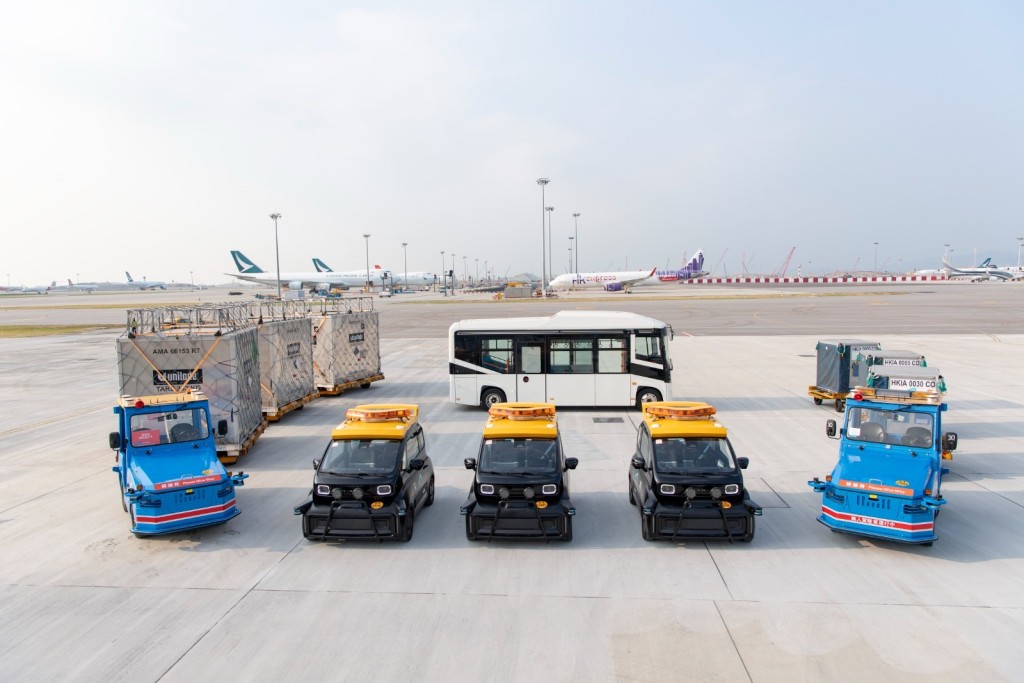
HKIA is the first and the only major airport deploying autonomous vehicles in live operations on the apron on a large scale (currently a fleet of 70 vehicles). The journey began in 2019. With no one to copy from and no off-the shelf product available, HKIA partnered with a technology company in Beijing to develop a special vehicle tailored to the specific needs of the airport’s restricted area.
Compared to the rest of Hong Kong, the roads in the airport’s restricted area are less busy and have a lower speed limit, at 35 kilometers an hour, making it a more manageable testing site with fewer disturbances.
Moreover, HKIA maintains its own 5G network and regulates all connected devices, thus ensuring secure high-speed communication for controlling the vehicles without external interference. The combined environment provides an ideal “incubation site” for the new technology to thrive.
Thanks to the advancements in technologies like big data and machine learning, the application of autonomous vehicle has been booming across the world.
In HKIA, autonomous vehicles will benefit airport operation in many ways. They allow more efficient manpower deployment, meet with increasing usage demand, and can operate reliably under typhoon and other adverse weather conditions.
Over the past 6 years, HKIA has expanded its fleet of autonomous vehicles from tractors towing baggage and air cargo in 2019, to patrol cars assisting daily patrols in 2021, and to shuttle buses carrying staff to various working locations across the restricted area in 2023.
The whole fleet has, so far, traveled a total of 2.2 million km, equivalent to circling the globe more than 55 times – a most impressive and reliable track record. Driverless buses will soon shuttle visitors between the airport and the Hong Kong Port of the Hong Kong-Zhuhai-Macao Bridge via the first autonomous mass transport system in Hong Kong, called Airportcity Link, which will enter the operational trials phase later this year.
The passenger-carrying autonomous vehicles of Airportcity Link are equipped with high-definition cameras, radar, LiDAR, and a Global Navigation Satellite System, providing a comprehensive 360-degree view for navigation and control. These features enable swift responses to dynamic road conditions, potentially surpassing human response times, enhancing safety performance.
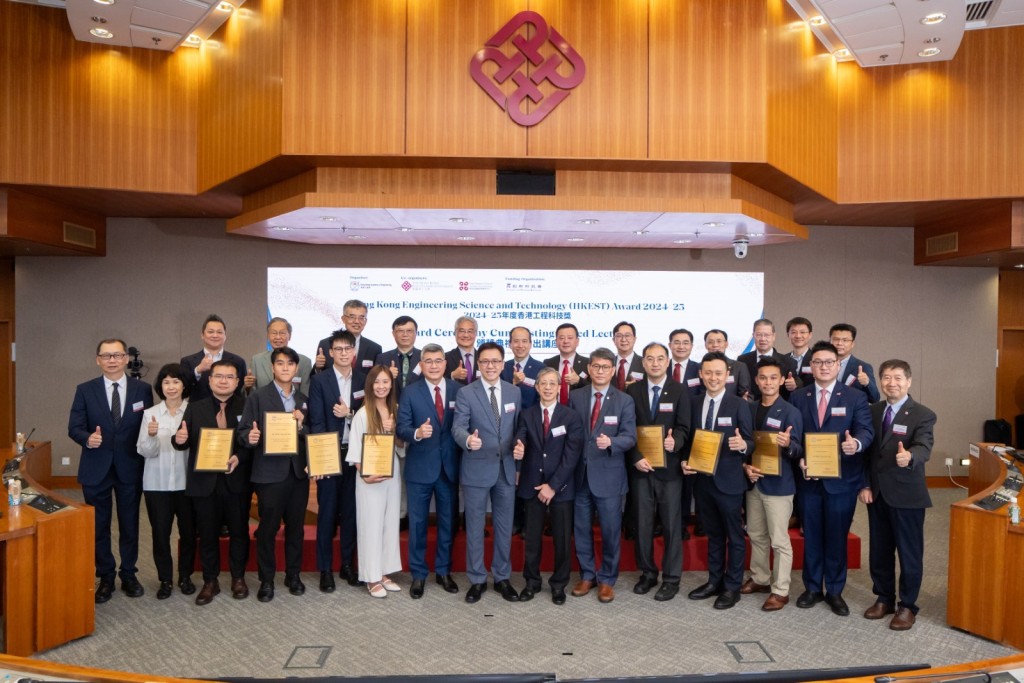
This innovative project won accolades at the 2024-25 Hong Kong Engineering Science and Technology Awards, organized by the Hong Kong Academy of Engineering. The system has passed closed-road testing in compliance with statutory requirements.
Moving beyond the airport, HKIA’s autonomous vehicle system will extend to the nearby town, Tung Chung, where passengers can connect to the MTR network in 2028.
Regarding cost evaluation of the system, while there will be investments in infrastructure and advanced control systems, this has been mitigated by the substantial saving of manpower costs.
More importantly, the computer-controlled system eliminates any concern about human fatigue and errors, ensuring higher level of safety and reliability. It can operate around the clock without needing additional shifts of manpower and poses no risk to anyone’s safety during inclement weather. Modern technology certainly improves our living, and autonomous driving will soon be able to help us to reduce the need for valuable manpower and improve safety and reliability of passenger transport.
Veteran engineer Edmund Leung Kwong-ho casts an expert eye over features of modern life