Behind the walls of a hulking industrial compound in rural China, top pig producer Muyuan Foods aims to raise more hogs at one site than anyone, which could be a risky investment with deadly African swine fever lingering.
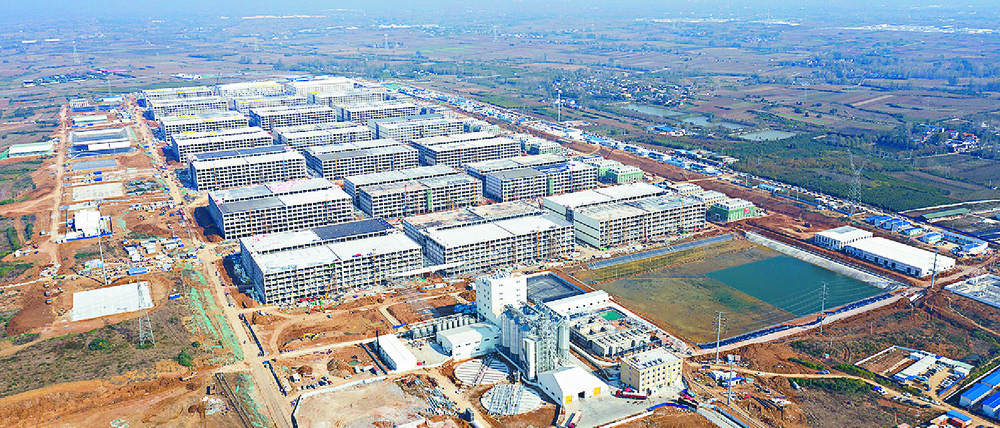
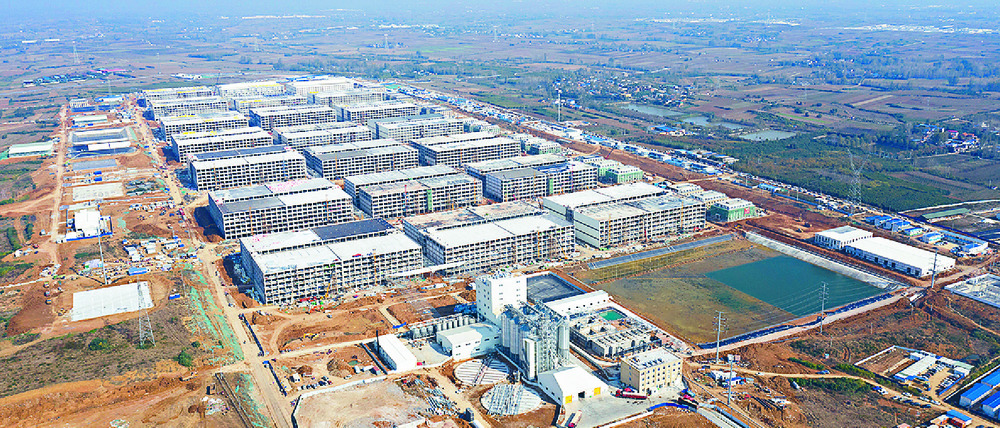
The farm, which started operations at the first of 21 buildings in September, epitomizes the breakneck pace at which industrialized hog breeding facilities are replacing traditional farms. Many operations were wiped out by the worst animal disease outbreak in recent history.
The shift has accelerated sharply, fueled by huge profits at corporate producers since the swine fever ravaged China's herd and sent pig prices soaring to double the previous record high.
Corporate farms weren't spared by the epidemic, but as prices jumped they quickly recouped losses. Muyuan's profits grew 1,413 percent in the first nine months of this year to 21 billion yuan (HK$24.8 billion).
"Pig prices are very high, profits are really good, and cash flow is ample," says Qin Jun, Muyuan's vice general manager, at company headquarters in Nanyang city.
So companies like Muyuan are designing higher-density automated farms, betting they can keep disease out while increasing efficiency.
Muyuan's new farm near Nanyang, to eventually house 84,000 sows and their offspring, is by far the world's largest, roughly 10 times the size of a typical US breeding facility.
Small farmers, meanwhile, struggle to get back on their feet amid costly new disease-prevention requirements.
China's world-largest hog herd shrank by around half in 2019, causing an 11-million tonne pork shortfall and sending prices from Brazil to Denmark to record highs.
"It has an experimental element," Qin said of the new farm. "We will employ fewer people and use more technology." That means smart feeding systems, robot cleaners and infrared cameras to detect fever.
High-rise facilities are increasingly popular amid a land scarcity, although corporate producers have an edge in winning land deals with local governments thanks to their clout and promises to create jobs by building slaughterhouses too. Muyuan recently attracted controversy for planning 55 pig farms on 1,000 hectares of Henan cropland.
Qin says the issue is resolved and the firm has land to produce 80 million hogs.
The mega farm can house five times as many pigs as a regular facility, but its density carries huge risk, with diseases including the swine fever virus still circulating and no vaccine or cure.
"Large farrow-to-finish projects with high animal density are a long-term concern because once a pathogen enters it's very difficult to control or eliminate," says Gordon Spronk, chairman of Pipestone Holdings, a Minnesota-based pig producer and veterinary services firm.
Muyuan has overhauled its processes since the swine fever outbreak. Grain for feed is sterilized before being piped into the on-site feed mill. Inside the pig housing the air is filtered, and thermal imaging cameras are being trialed.
The measures are impressive if they are managed properly, says Michael Ellerman, vice general manager at Aspire, a Suzhou-based pig farm consultancy.
Ellerman and Qin both say staffing the high-tech facility could be tricky. Many of Muyuan's more than 50,000 new hires are inexperienced, Qin notes.
That could be a worry if prices fall. Production costs are much higher than before the swine fever outbreak, but output is lower because of a shortage of breeding pigs.
Muyuan's costs are lower than most, at just over 14 yuan per kilogram in the third quarter. More automation could lower costs further, but a disease outbreak would undo gains.
"At the moment they're okay if there's some losses in the herd" because of the high prices, says Pan Chenjun, an analyst at Rabobank. "But the risks are rising."
REUTERS
Muyuan Foods' new pig farm near Nanyang is by far the world's largest. Reuters