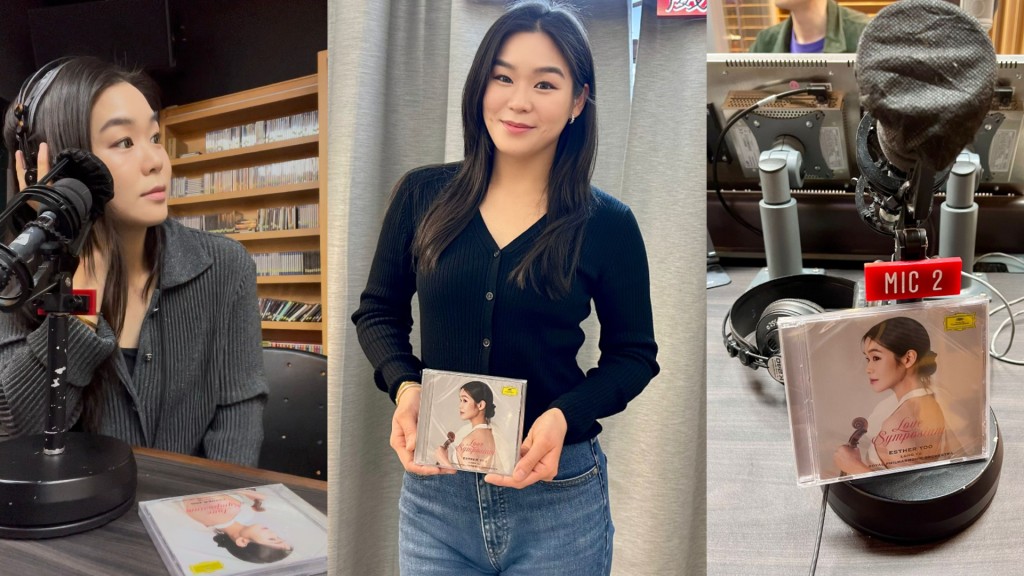
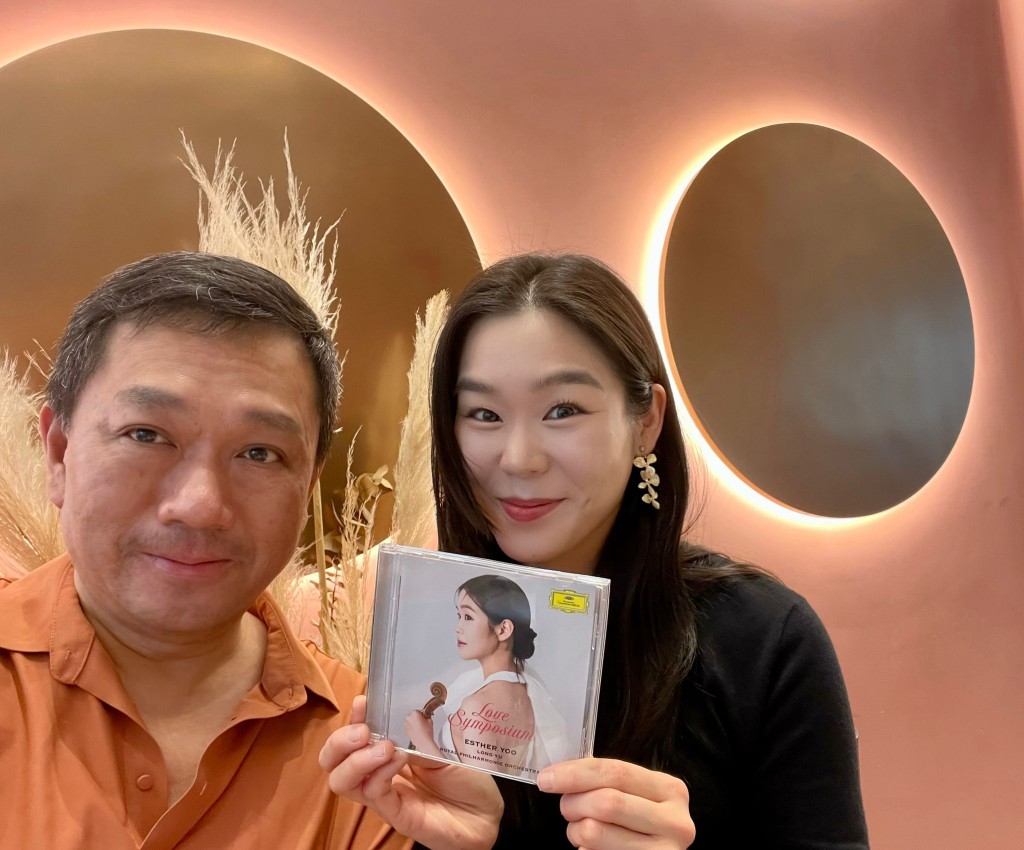
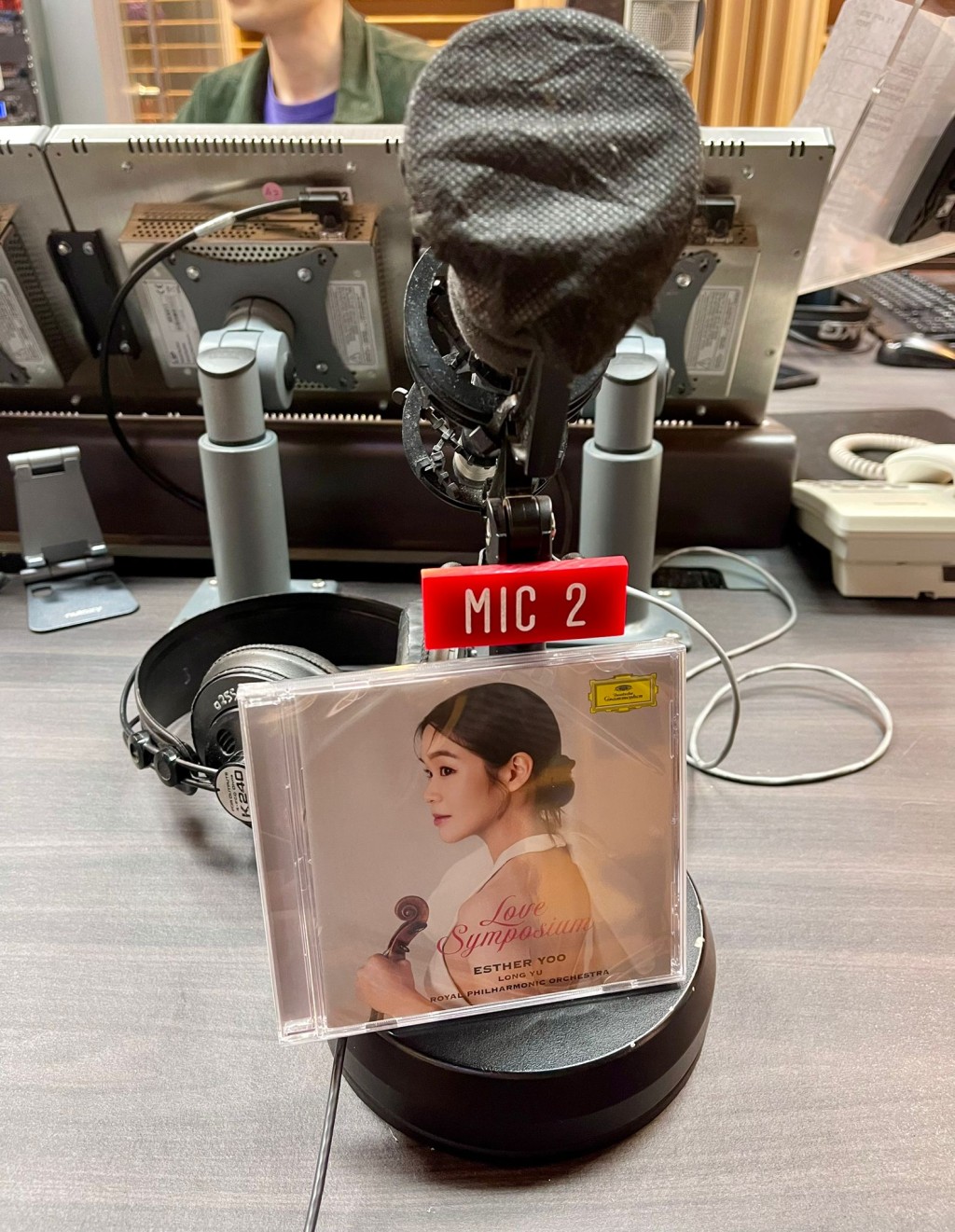
Love has never been merely a synonym for romance. It can be the philosophical exchange between thinkers as they drink together, the fleeting moment a skirl of lark wings sweeps across the countryside, the wordless love letter Mahler wrote to his wife, and the lifelong practice of learning to embrace ourselves. Esther Yoo’s new album, Love Symposium, is an intimate meditation on love—and her violin becomes the most sincere of narrators.
ADVERTISEMENT
SCROLL TO CONTINUE WITH CONTENT
In the album’s liner notes, the Korean American violinist writes candidly: “This is the most personal album I have made to date.” She has no intention of repeating those idealized, saccharine depictions of love. Instead, she chooses a more moving path: using the resonance of her strings to reflect the myriad faces of love—from philosophy to nature, from family to partners, and even to the ever-evolving love of self.
What moves one most while listening to this album is precisely Yoo’s genuine simplicity. In an age that prizes virtuosity and dazzling pyrotechnics, she steps back and lets the notes speak for themselves. Bernstein’s Serenade, inspired by Plato’s Symposium, forms the core of the album. Over nearly thirty minutes of performance, she never tries to dazzle with frenetic bowing or flashy tone. Instead, like a calm storyteller, she moves from Phaedrus’s lyrical praise to Aristophanes’s playful hiccups, and finally to the philosophical weight of Socrates—each passage lucid and full of warmth. Critic Tully Potter notes that in the allegro movements she conveys “a mild version of the comic poet’s hiccup,” while in Agathon’s slow, hymn-like movement, her 1704 Stradivarius pours forth a breathtaking depth of feeling.
+1
Equally touching is Vaughan Williams’s The Lark Ascending. Yoo’s interpretation is like a watercolor: double stops trace the lark’s spiraling flight, and in the cadenza at the end, the violin sound nearly dissolves into thin air—not a show of technique, but a devout pilgrimage into love of nature. Mahler’s Adagietto from Symphony No. 5, arranged for a nine‑player chamber ensemble, is led by Yoo without a conductor. Stripped of its symphonic halo, the familiar melody reveals raw tenderness, as if Mahler were whispering into his wife’s ear. As for Elgar’s Salut d’Amour, she avoids over‑sweetening it; instead, with a plainspoken phrasing, she restores the sincere feeling the composer had for his fiancée—an approach that is, in her own words, “so simple.”
The album closes with “Never Enough,” from the film The Greatest Showman. Re‑imagined, the pop melody gains new life within a classical framework. This is not crossover designed to please the market, but an honest embrace of “modern love”: our longing for connection, to be understood, and to learn to love ourselves.
Esther Yoo’s new album is a feast of love without a trace of preaching—just open your heart, and you will hear the echoes of your own love that have shaped you.
KY Lau, Editor-in-Chief of HEADLINE DAILY and Curator of ArtCan