Read More



The illusion of integration | Boarding Pass | Aidan Leung
30-04-2026 00:57 HKT

Energy security through diversity | Nuts and Bolts | Edmund Leung
29-04-2026 00:30 HKT

Ah…you have a bursary? | Boarding Pass | Aidan Leung
29-04-2026 00:03 HKT
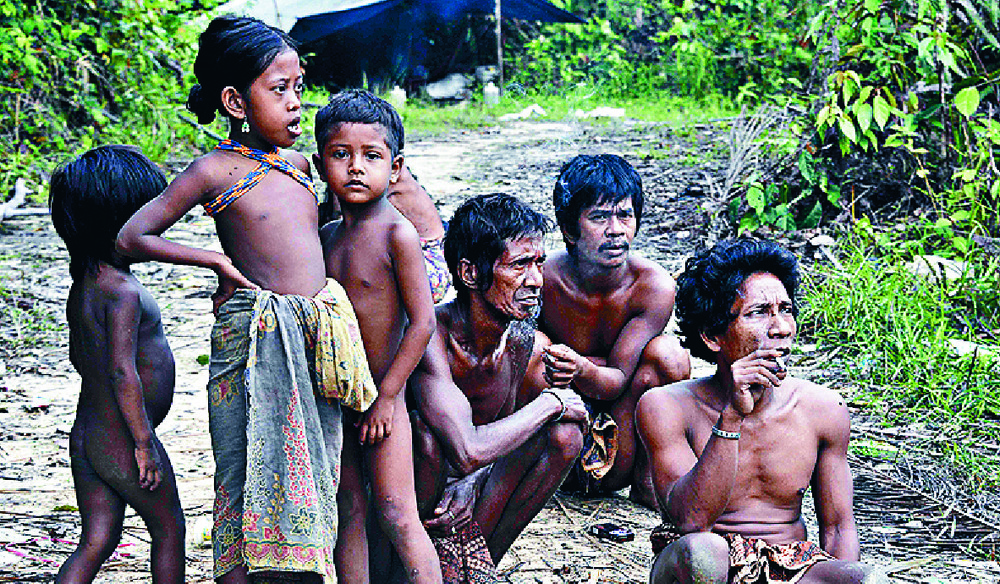
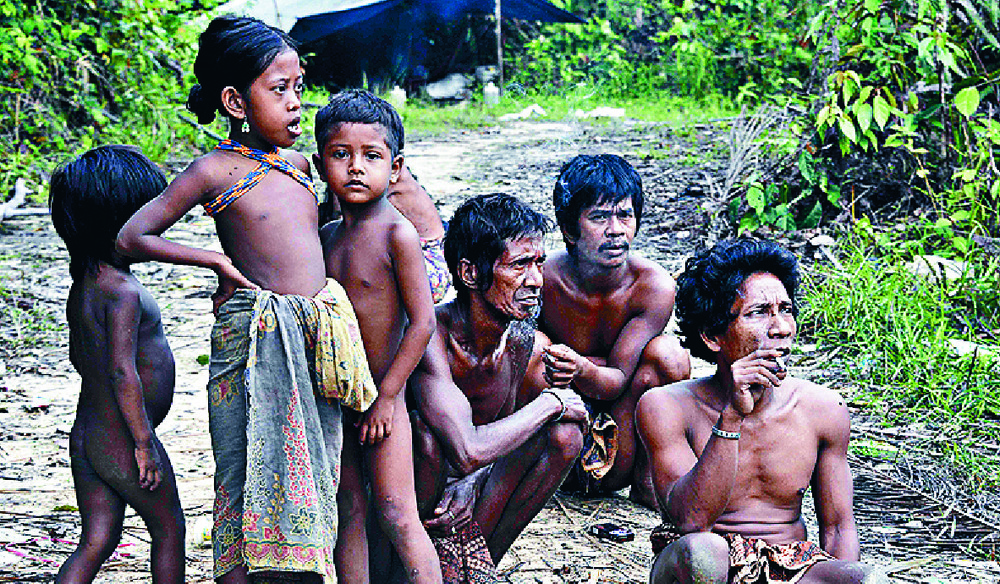
Jangat Pico, a member of the Orang Rimba indigenous people who live on Indonesia's Sumatra island, is reluctant to say the name of the new coronavirus.
"In Orang Rimba custom the name of a disease cannot be said aloud," explains Pico, 24. "If we say it, then that disease will come to us."
Superstitions around illness are embedded in a belief system practiced by Pico and about 5,000 other tribe members. "Fever" and "cough" are curse words. And to avoid saying "corona," the Orang Rimba use "cororoit."
Born in Bukit Duabelas national park, Pico teaches advocacy and other skills to youngsters in his community and moves between the forest and urban areas. His parents and four siblings practice a semi-nomadic way of life inside the park, regulated by customary laws.
Under these traditions, a relationship with the forest endures from cradle to grave. A baby's umbilical cord goes under a new tree. When a tribe member dies, the community moves to a fresh area of forest.
Fear of disease is deep-rooted in the community, as infections can spread rapidly.
Long before Covid-19, anyone returning from outside the forest had to spend at least 24 hours in quarantine under a customary rule called besasandingon. The person stays in an isolated area downstream due to a belief that disease flows on watercourses.
When the Orang Rimba heard in March of a new infectious disease spreading globally, elders tightened quarantine rules.
So Pico must walk for six hours to visit his family, who have retreated deeper into the forest. "We have to abide by besasandingon," says Pico. "That means we have to stay 20 or 30 meters away."
Indonesia lacks a bureau overseeing indigenous affairs. Yet in 2015, Joko Widodo became the first Indonesian president to visit the Orang Rimba and vowed to return 12.7 million hectares to indigenous and rural communities.
Indigenous peoples have for decades been in conflicts sparked by mining, palm oil and timber industries on their lands. In April, a coalition of rights groups wrote an open letter to lawmakers calling for an indigenous bill of rights.
"Indigenous groups are the most vulnerable people in Indonesia," says Andre Barahamin of the Indigenous Peoples' Alliance of the Archipelago. "But as long as we have sovereignty over our ancestral domain, we can save ourselves."
A few months ago, the alliance wrote to its 2,371 member communities recommending they stockpile food and initiate strict distancing measures.
Just over half the indigenous groups the alliance represents enacted some form of lockdown, with most doing so before the central government introduced restrictions on movement in April. But low levels of testing mean it is unclear to what extent indigenous groups may have been affected.
More than 2,500 Orang Rimba have lost their traditional land to oil-palm plantation firms, according to KKI Warsi, an environmental group in touch with tribe members. Some live on the fringes of plantations while the poorest beg along the highway.
"The contrast between these people is so immense and tragic because you see how they would be living if they had not lost their land," says Sophie Grig, a researcher at Survival International, which campaigns for the protection of tribal peoples.
Neliti, 45, who lives in the forest, says trade with neighboring villages has declined due to falling prices for rubber and fruit, while Orang Rimba are also afraid to visit settlements due to the virus.
"They have started to revert back to ancient knowledge," says Butet Manurung, founder of Sokola, an Indonesian education nonprofit that works with indigenous communities. "20 years ago they were self-sustained, but a lot has changed."
Sokola views the pandemic as an opportunity for children to focus on traditional learning. "Every second in the jungle is a lesson," says Manurung.
THOMSON REUTERS FOUNDATION