Umami bomb or toxic allergen? There are perhaps few condiments as controversial as MSG, but most scientists say it's safe. And now a Japanese firm is trying to remake its reputation.
In much of the world, monosodium glutamate, or MSG, is a beloved ingredient. It's in stock cubes and potato chips and sprinkled on everything from soups to salads, adding a savory flavor sometimes referred to as umami or the "fifth taste."
It was launched in 1908 in commercial form in Japan by Kikunae Ikeda, who founded the firm Ajinomoto to sell the product.
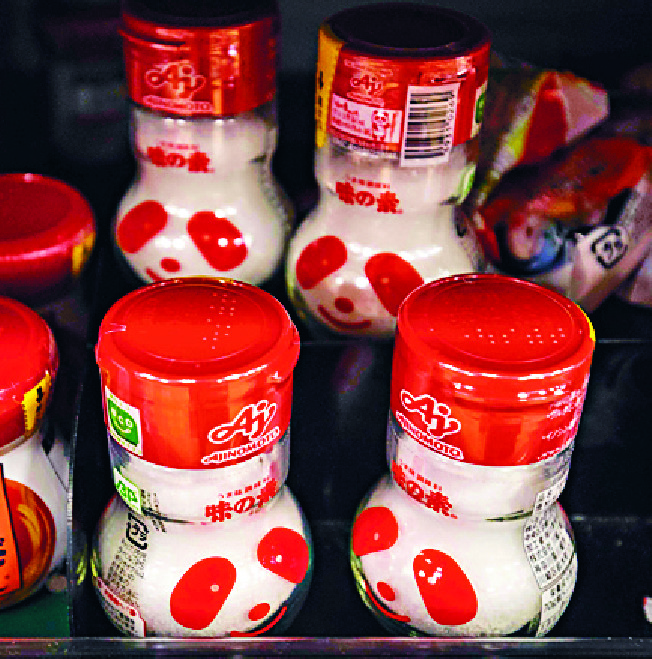
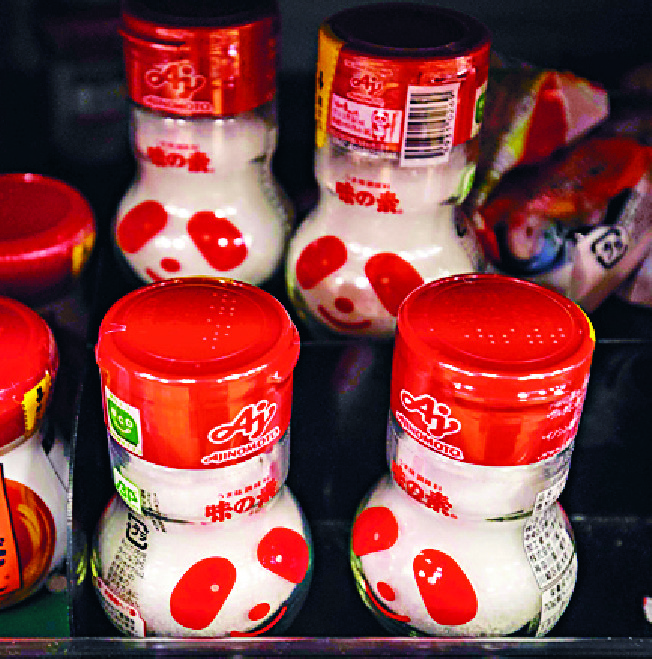
At Ajinomoto's factory outside Tokyo, a steady stream of visitors join tours to sample miso soup with and without MSG, and snap selfies with the firm's mascot - the red and white AjiPanda.
But elsewhere the substance is regarded as less benign, with claims it is a "killer condiment" and that people suffer side effects including headaches, sweats and flushing.
The unsavory reputation dates back to a 1968 letter in the New England Journal of Medicine by Chinese-American doctor Robert Ho Man-kwok. He described symptoms experienced while eating at Chinese restaurants in the United States, including "numbness at the back of the neck ... general weakness and palpitation."
His Chinese friends - "all well educated" - experienced similar sensations, he wrote.
Kwok proposed several potential reasons, including soy sauce, cooking wine, MSG, or high sodium, and suggested "friends in the medical field" should research this "peculiar syndrome."
The letter was disseminated and made its way into the public imagination, creating a lasting association between MSG and various poorly defined health effects.
But most scientific research suggests the "Chinese restaurant syndrome" is a myth.
The US Food and Drug Administration labels MSG "generally recognized as safe" - the same as salt, corn syrup or caffeine. Authorities in Europe, Australia and elsewhere also rate it safe.
"The long-standing claim that intake of MSG in food causes 'Chinese restaurant syndrome' in humans is unfounded," says Guoyao Wu, a professor of animal science at Texas A&M University.
Some experiments suggesting MSG is harmful involve administering huge doses or injecting it directly into muscle or brain tissue.
"Well-controlled scientific experiments have not shown any adverse effects of oral MSG," Wu says.
That's the message Ajinomoto is now pushing in a US$10-million (HK$77.8 million) three-year PR blitz.
"There's no doubt it's a safe food ingredient," insists Tia Rains, who heads Ajinomoto's campaign.
The message is aimed primarily at the US, where it staged the World Umami Forum, enlisting food experts to sway public opinion.
The project comes as the Western food world is shifting.
Not only is umami a well-established concept but authorities from food science writer Harold McGee to Michelin-starred chef David Chang have pushed back against the idea MSG is dangerous.
And in Japan there isn't much of a debate about the product, says Kazumi Masuda, who runs culinary school Tokyo Cook.
Her students are taught to extract umami from traditional ingredients, including kombu seaweed, but she sees no harm in using MSG-laden stock cubes, particularly by busy home cooks.
"There's not a big argument." she laughs, saying the use of MSG is seen by some cooks of being "like cheating" in conjuring up flavors.
"I don't use it every week," she adds, but "I think many Japanese families often use it."
Rains argues that MSG could even have health benefits, allowing people to cut down on salt.
But Ka He, a professor of reproductive science and epidemiology at Columbia University Irving Medical Center, urges caution on such claims.
"Safety and health are two different concepts," says He, who has studied MSG. "Sugar is safe but may not be healthy, trans fat is not toxic but sufficient scientific evidence indicates that it's a risk factor for cardiovascular diseases."
Rains says Ajinomoto does not expect to convert everyone but hopes an umami overhaul might spark some second thoughts.
AGENCE FRANCE-PRESSE
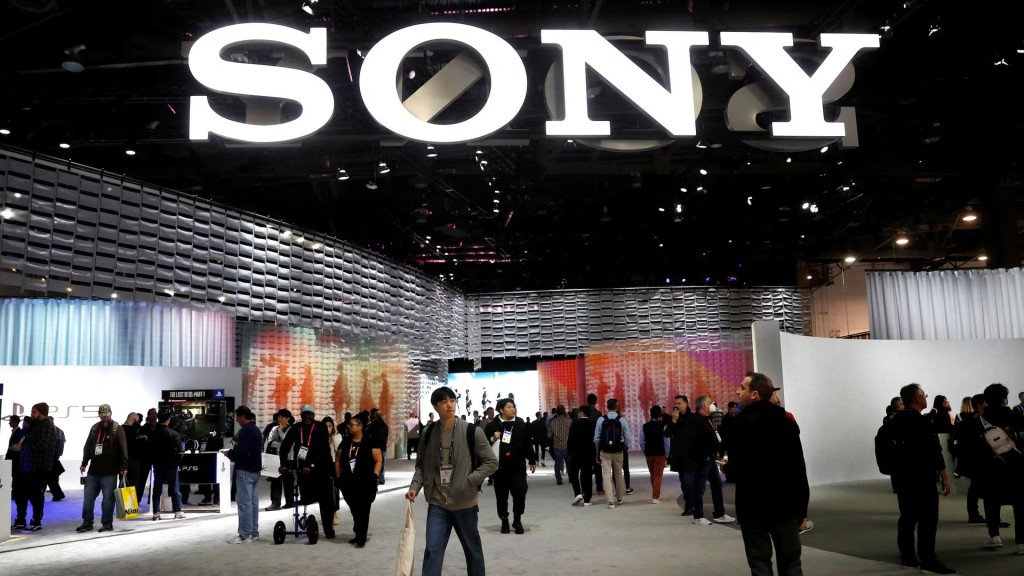
Japanese firm Ajinomoto, who first commercially lauched MSG, is giving the flavor enhancer a reputation overhaul. afp