Read More
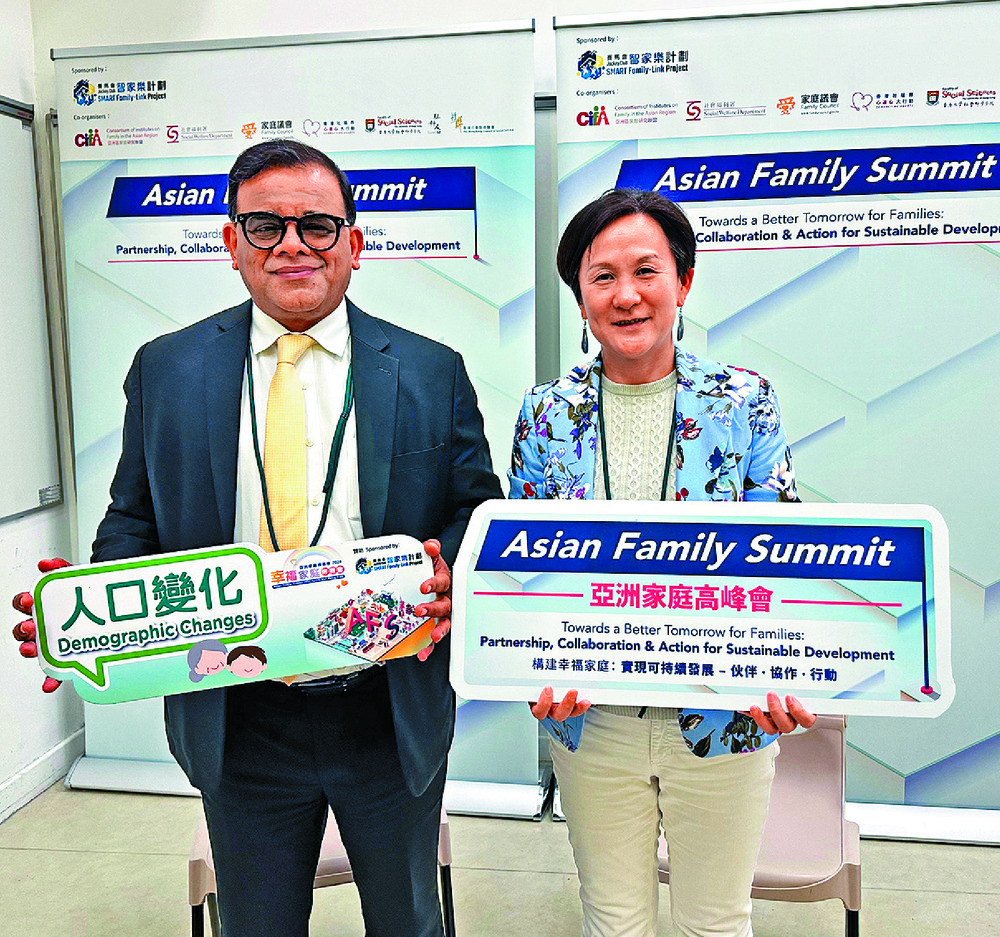
Henry SiuIn an interview at the Asian Family Summit, Lou, director of the Sau Po Centre on Ageing and a professor at the Department of Social Work and Social Administration at the University of Hong Kong, highlighted that about 20 percent of families in Hong Kong consist of a single individual, a trend that is expected to expand.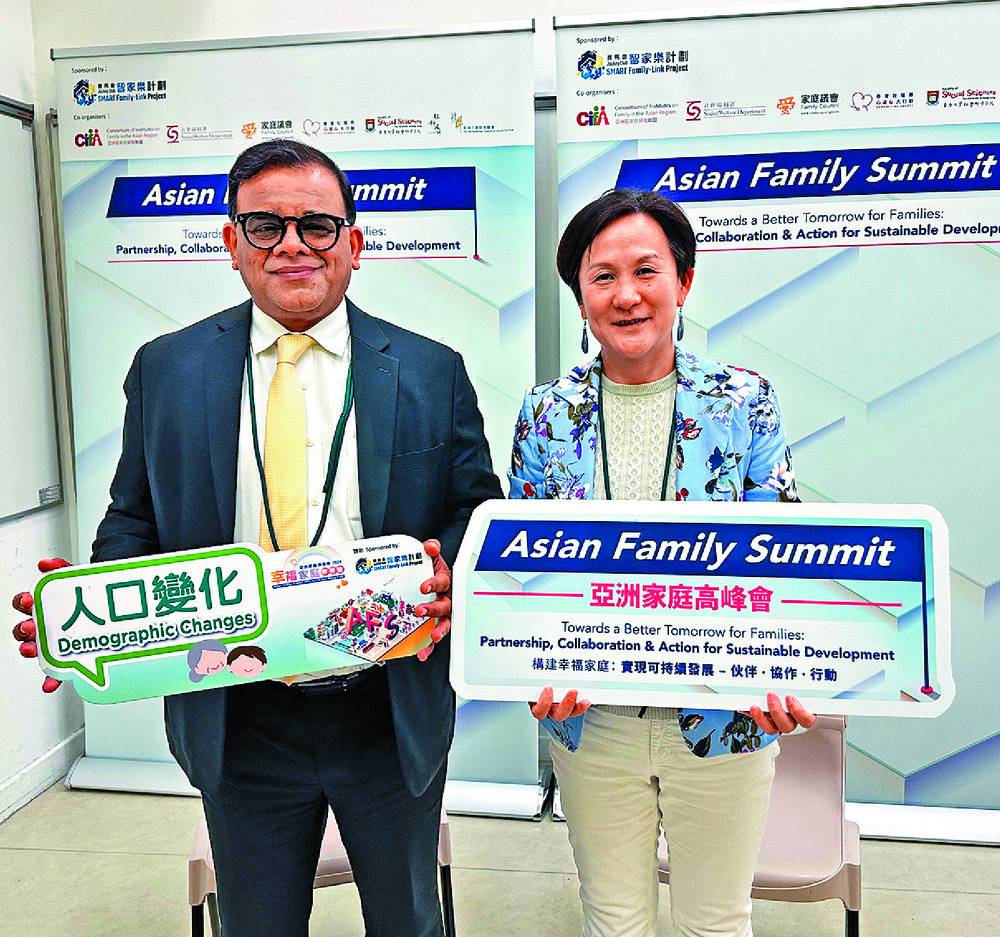
Social work expert Vivian Lou Weiqun said the rise in one-person households in Hong Kong is a significant factor contributing to the city's declining birth rate.
ADVERTISEMENT
SCROLL TO CONTINUE WITH CONTENT
Lou noted a growing trend of individuals choosing not to marry or have children.
Unlike previous generations, when families typically had two to three children, many married couples today opt to raise only one child.
This shift, she argued, plays a crucial role in the low birth rate observed in the SAR.
Lou added that children from these families, upon losing their parents, may find themselves living alone if they do not have a partner.Srinivas Tata, director of the social development division at the United Nations Economic and Social Commission for Asia and the Pacific, said that one-person households are a global phenomenon, with about one-third of families worldwide fitting this description.
He identified two primary reasons for this trend - the desire for independence and increased migration.Many young people today are delaying marriage or choosing to remain single, while some married individuals are opting for divorce or separation. Also, it is common for younger generations to migrate to other regions. For older adults, the shift to living alone often occurs after the death of a spouse or as family members move out.
Lou observed that individuals who choose to live alone may possess strong self-care abilities and a readiness for solitude.However, those who are thrust into one-person households due to circumstances, such as a spouse moving to a care home or passing away, may struggle to adapt and require emotional support.
"In many Asian cultures, older individuals often hesitate to engage socially, resulting in weakened family bonds and limited interactions, which may sometimes occur only in virtual spaces," Tata said.Tata stressed the importance of not overlooking older single individuals, advocating for increased intergenerational contact to combat growing loneliness and emotional distress.
He urged the government to collaborate with civil society organizations to provide long-term care support.Srinivas Tata, left, and Vivian Lou. Henry Siu