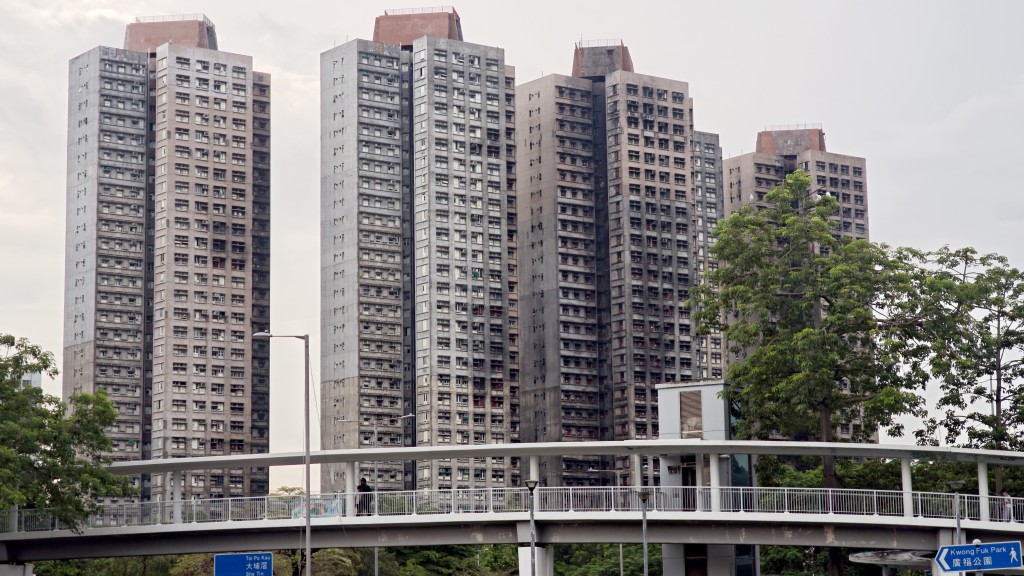
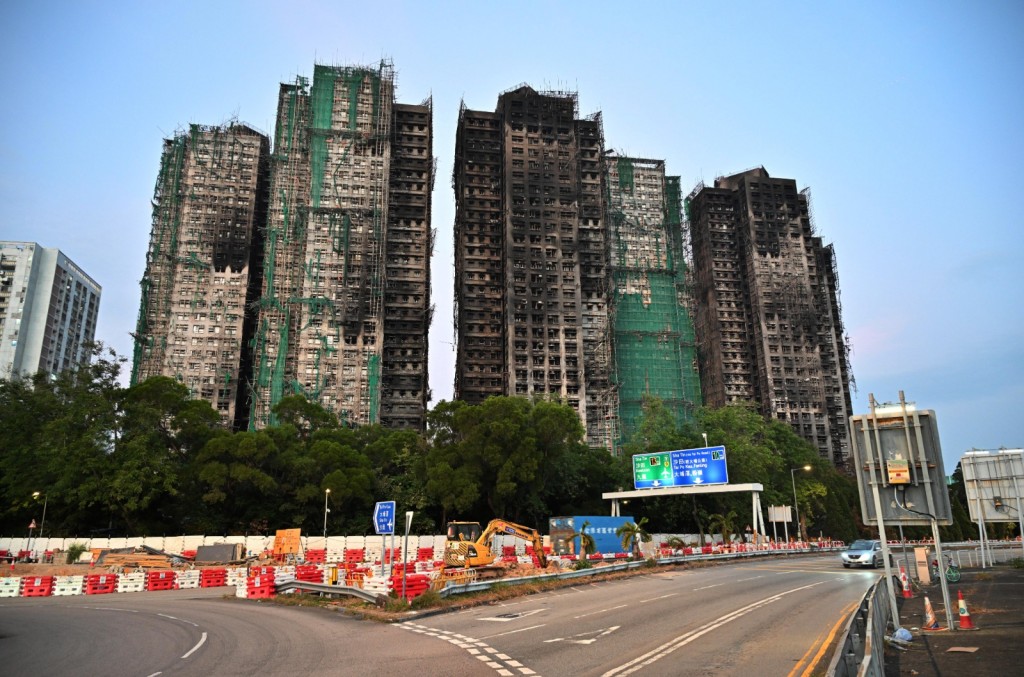
Speculation is growing over a possible government reshuffle, with insiders saying accountability for the Wang Fuk Court fire will hinge on the outcome of the ongoing investigation.
Sources suggested that Secretary for Constitutional and Mainland Affairs Erick Tsang Kwok-wai and Secretary for Housing Winnie Ho Wing-yin could be among those replaced.
According to Sing Tao Daily, a sister publication of The Standard, the matter was raised at yesterday’s morning prayer, a daily gathering of the city leader and senior officials.
It is understood that officials not linked to the fire may face changes due to “political decisions.”
The reshuffle is expected to involve several senior figures, including a deputy secretary, with adjustments likely around Chinese New Year and no later than two sessions in March.
Observers consider that Chief Executive John Lee Ka-chiu, in office for less than 18 months, would demonstrate boldness and reformist intent if the reshuffle proceeds.
The last major shake-up was in December 2024, when Transport and Logistics Secretary Lam Sai-hung and Culture, Sports and Tourism Secretary Kevin Yeung Yun-hung were replaced by Mable Chan and Rosanna Law Shuk-pui. The coming changes are expected to be the largest under Lee’s tenure.
Tsang has served since 2020, overseeing electoral reforms and the LegCo election, while a recently removed director from his bureau’s Tianjin Liaison Unit has faced a hospitality controversy.
Lau Siu-kai, consultant to the Chinese Association of Hong Kong and Macao Studies, said personnel changes are normal under the accountability system.
He noted that the CE can recommend appointments or removals to Beijing at any time if better candidates are available.
On whether accountability should await the fire investigation, Lau explained that political accountability differs from administrative accountability, as it does not require proof of wrongdoing.
A reshuffle may simply reflect CE’s judgment, the need for stronger governance, or efforts to bolster public confidence.
It is understood that any changes will depend on factors such as suitable successors, whether permanent secretaries or deputies can step up, and the government’s policy priorities.