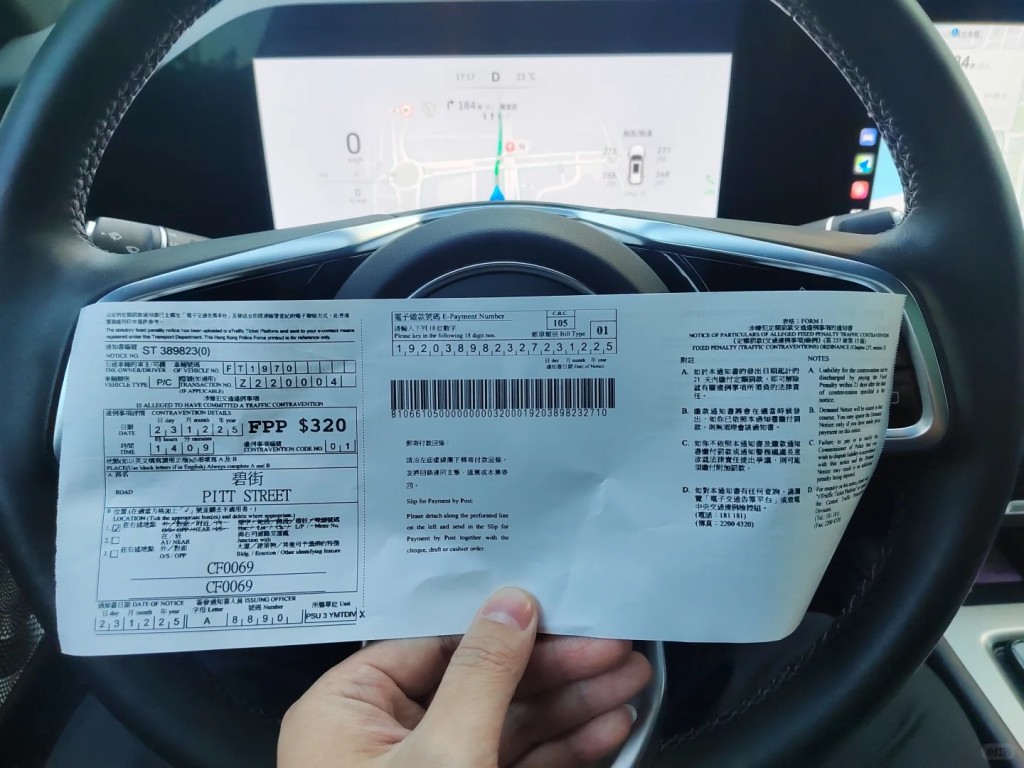
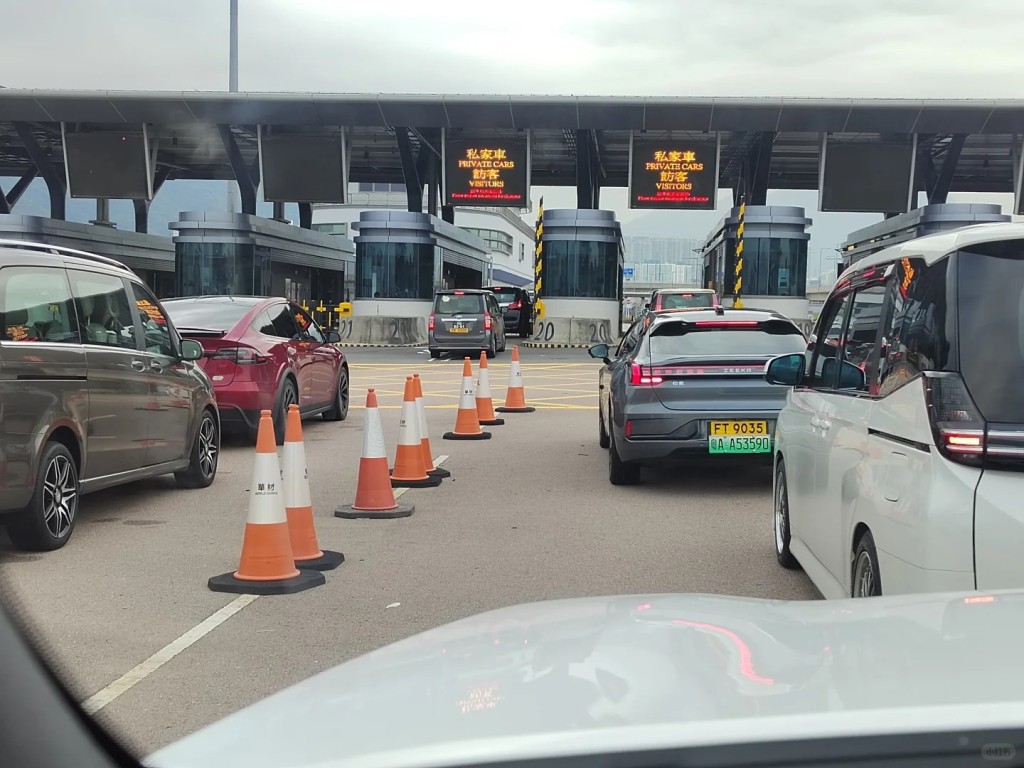
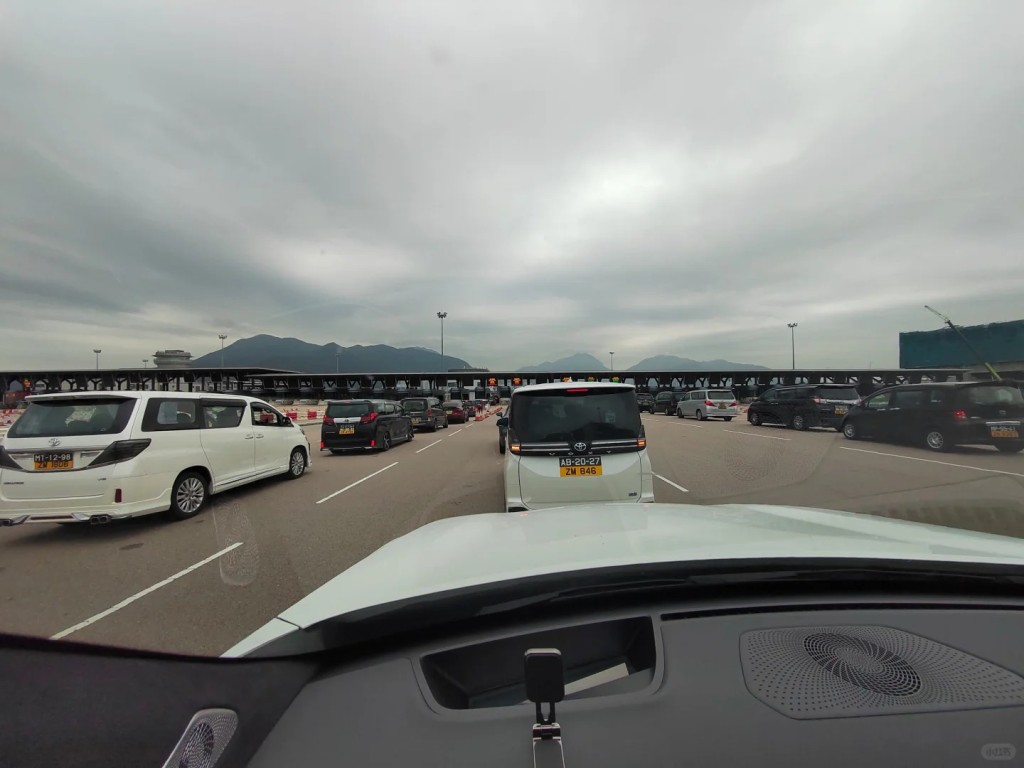
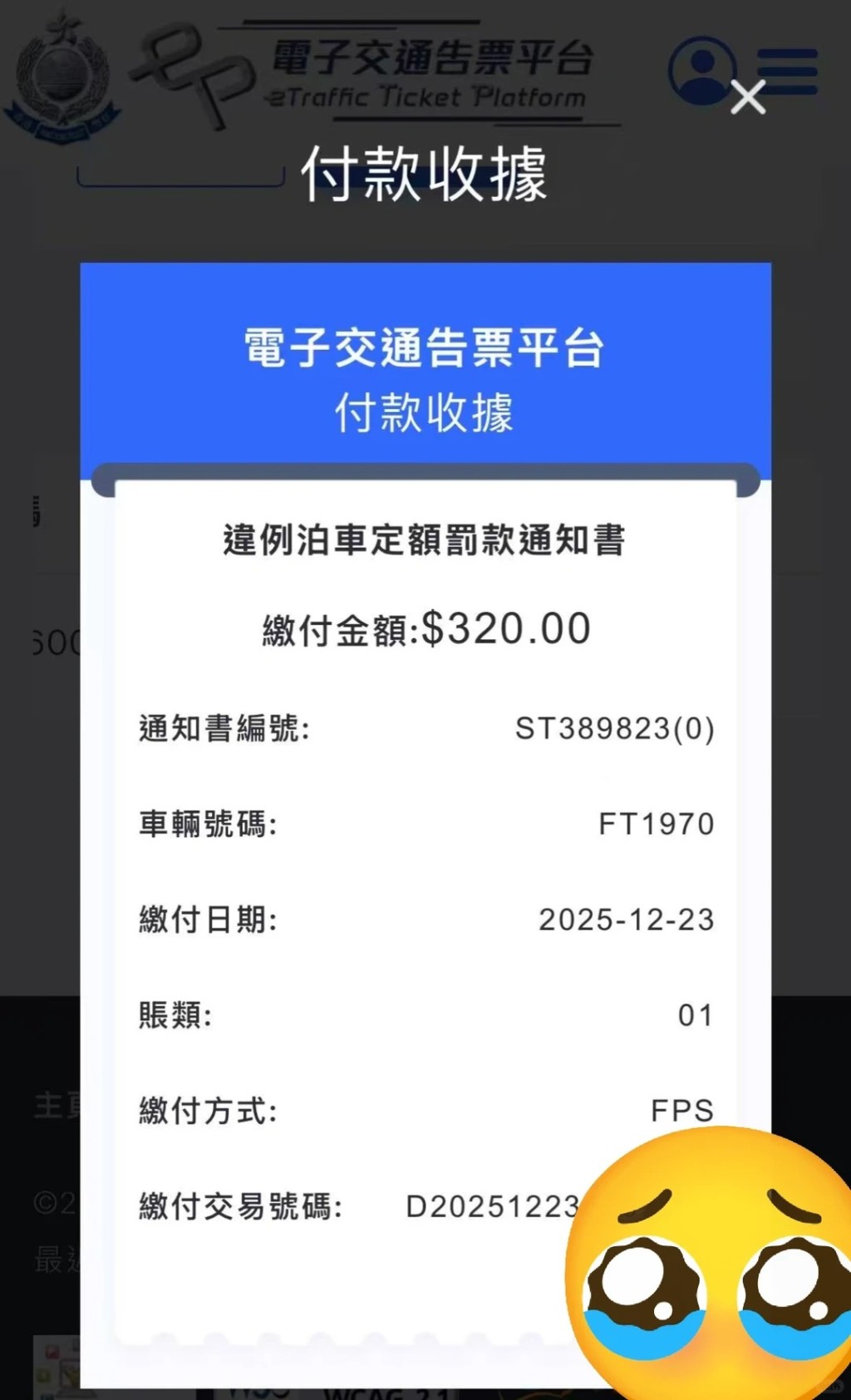
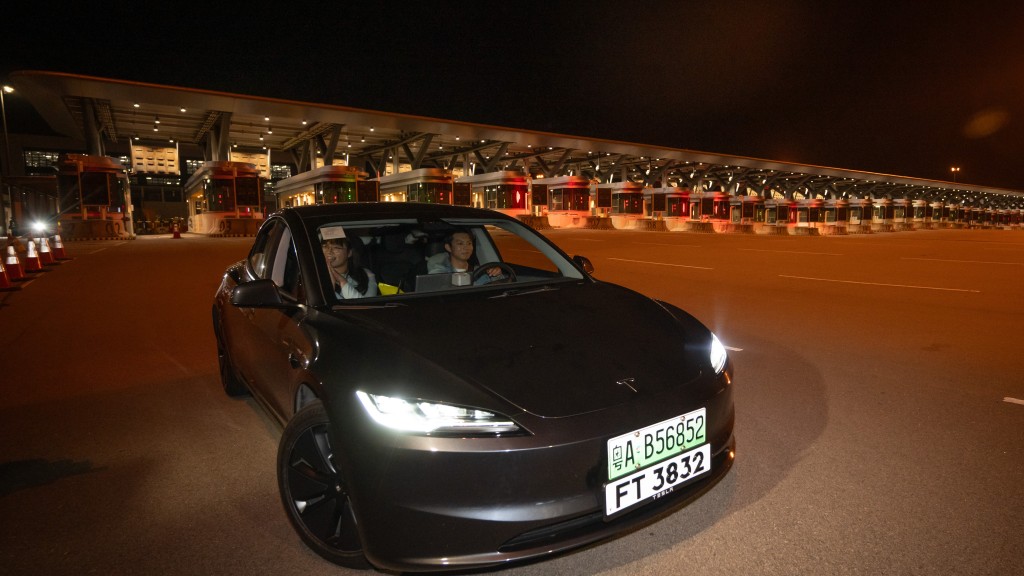
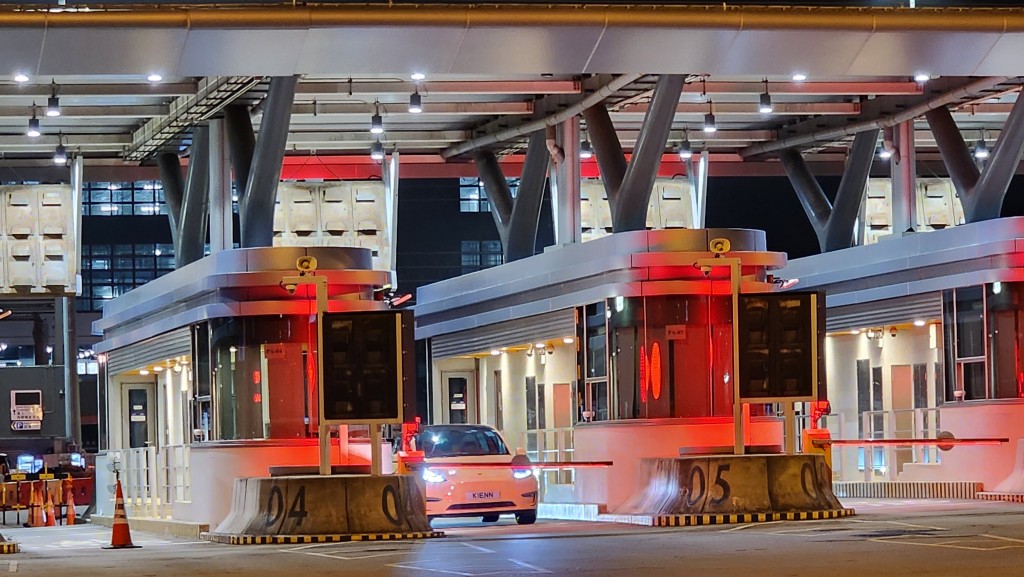
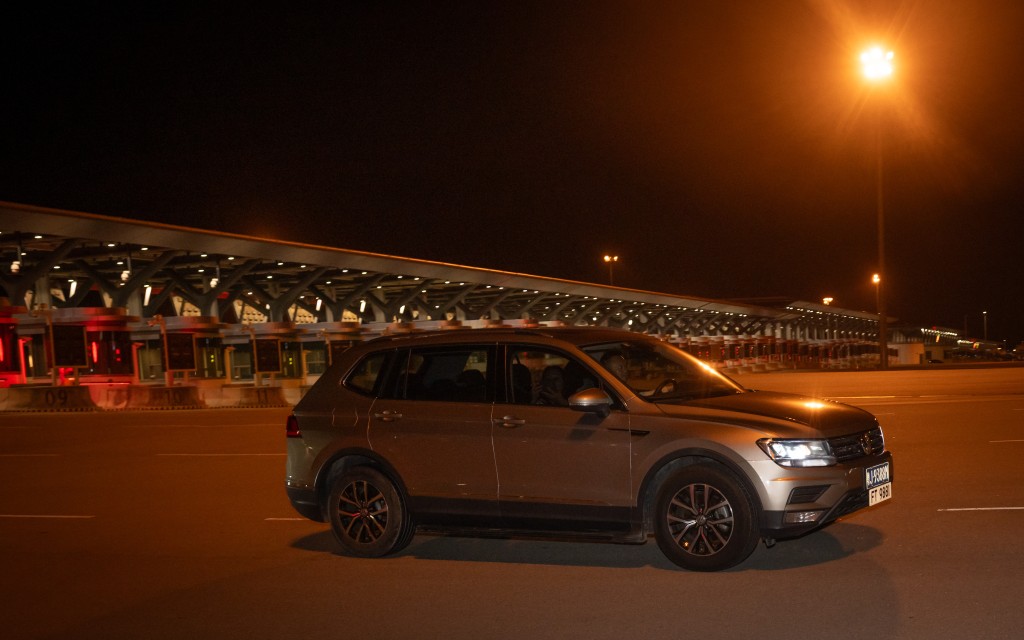
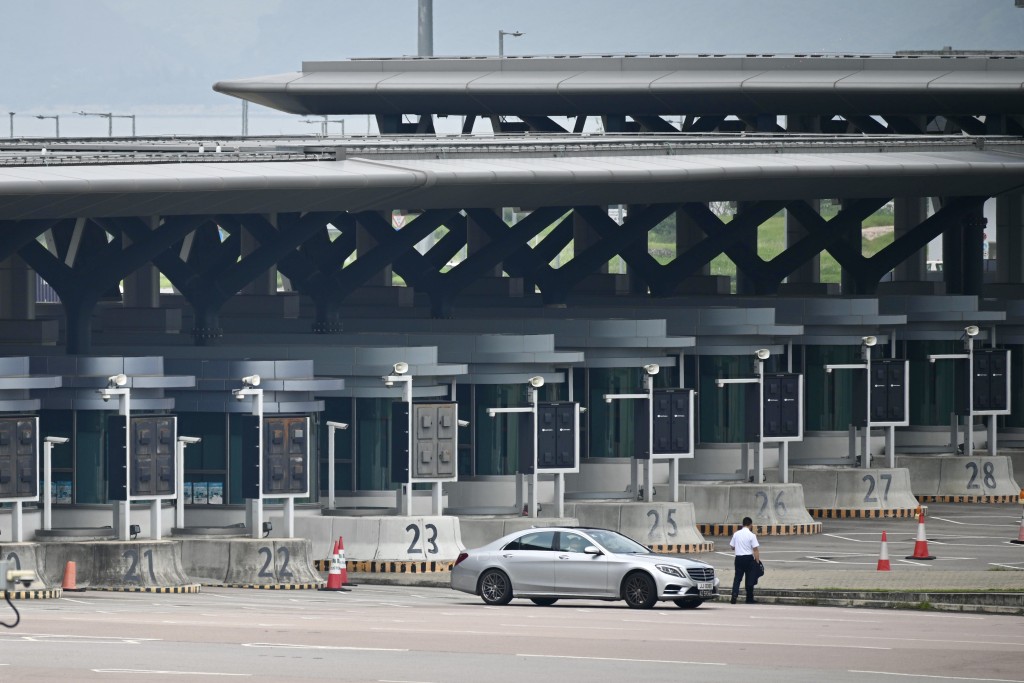
As the Southbound Travel for Guangdong Vehicles scheme commenced yesterday, a mainland driver received a fixed penalty notice from police for parking contravention, drawing discussions among netizens about challenges mainland drivers may face while navigating local traffic regulations.
ADVERTISEMENT
SCROLL TO CONTINUE WITH CONTENT
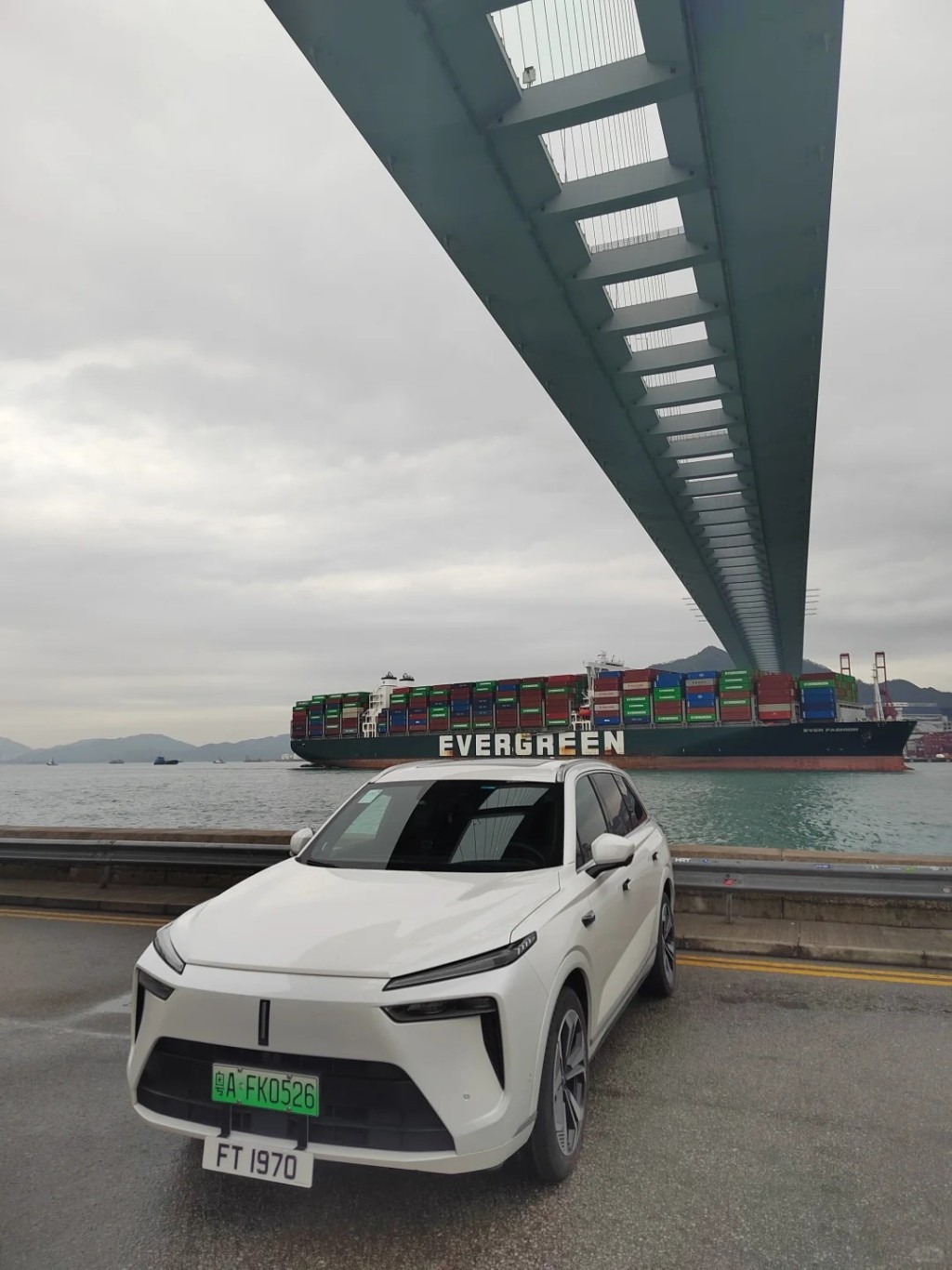
The initiative allows eligible private vehicles from Guangdong province with the new “FT” prefix license plates to enter Hong Kong and stay for up to three days per trip.
The driver posted on Xiaohongshu about getting the "first fine" under the scheme.
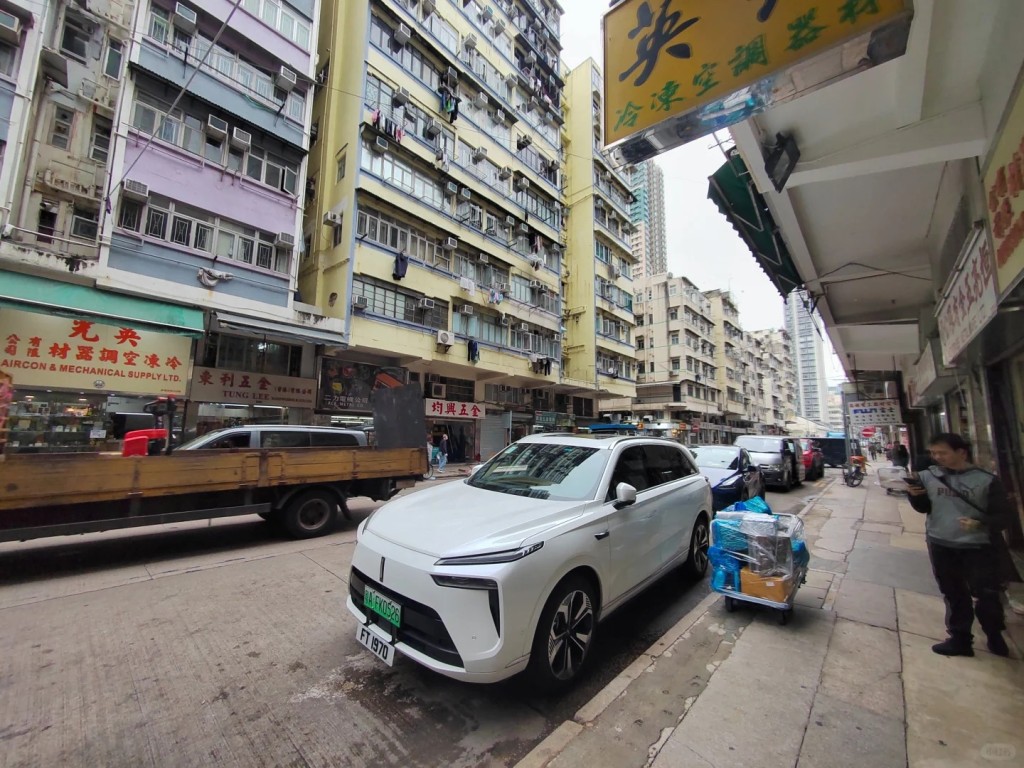
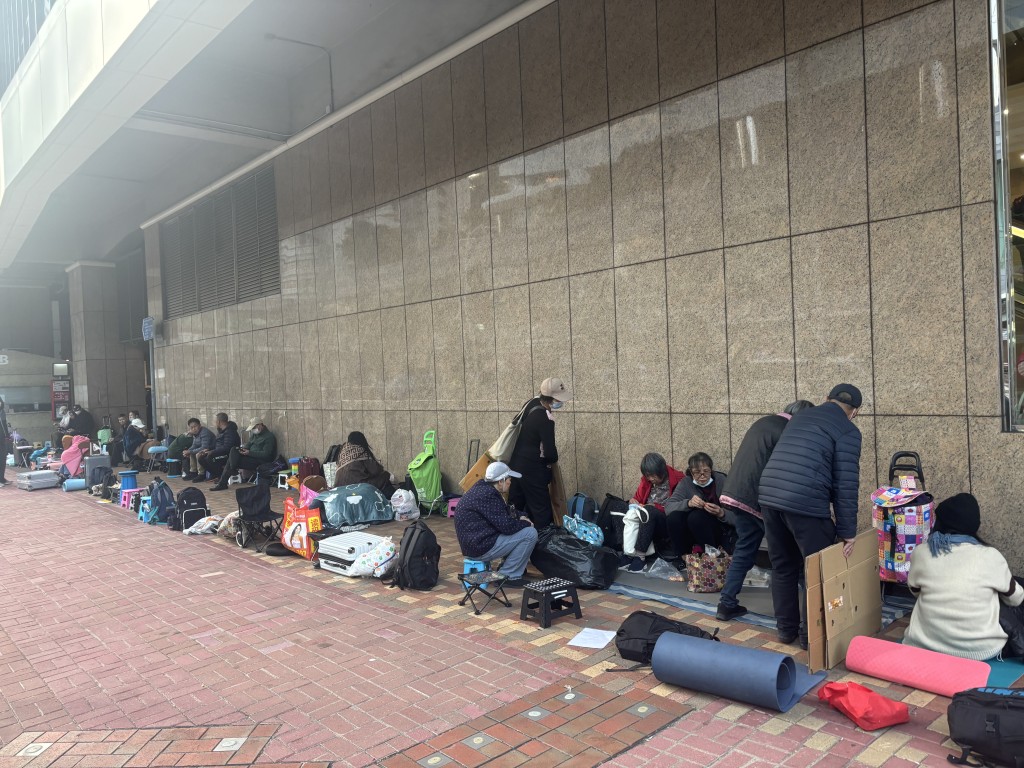
While searching for a parking spot during lunch in a busy area, he parked at the intersection of Reclamation Street and Pitt Street—without yellow lines or meters—due to hunger.
However, just as they took their first bite, they received an email notification of the fine. According to the photos posted by the driver, they parked at the intersection of Reclamation Street and Pitt Street.
+1
Facing criticism from netizens, the driver later apologized, admitting fault and confirming payment of the fine, tunnel tolls, and parking fees.
He cited unfamiliarity with Hong Kong's parking system but took full responsibility, urging others not to generalize about Guangdong drivers.
He then ceased updates on the matter.
The incident fueled online commentary, with users joking about Hong Kong's scarce parking, high property prices, fuel costs, and swift police enforcement.
Lawmaker Ben Chan Hang-pan noted that he believes the government and social media have adequately reminded drivers to adhere to traffic regulations.
He acknowledged that some drivers might “push their luck” by assuming they won’t be penalized, joking that “they will just end up giving money to the government.”
Chan emphasized that Guangdong drivers must follow local regulations.
He highlighted the Transport Department's mobile app for locating parking spaces and stressed the need for police enforcement to maintain order without spoiling the overall experience.
He also warned mainland drivers—accustomed to right-hand traffic—to stay alert in rural areas, avoiding assumptions about lane usage on single carriageways that could lead to accidents.