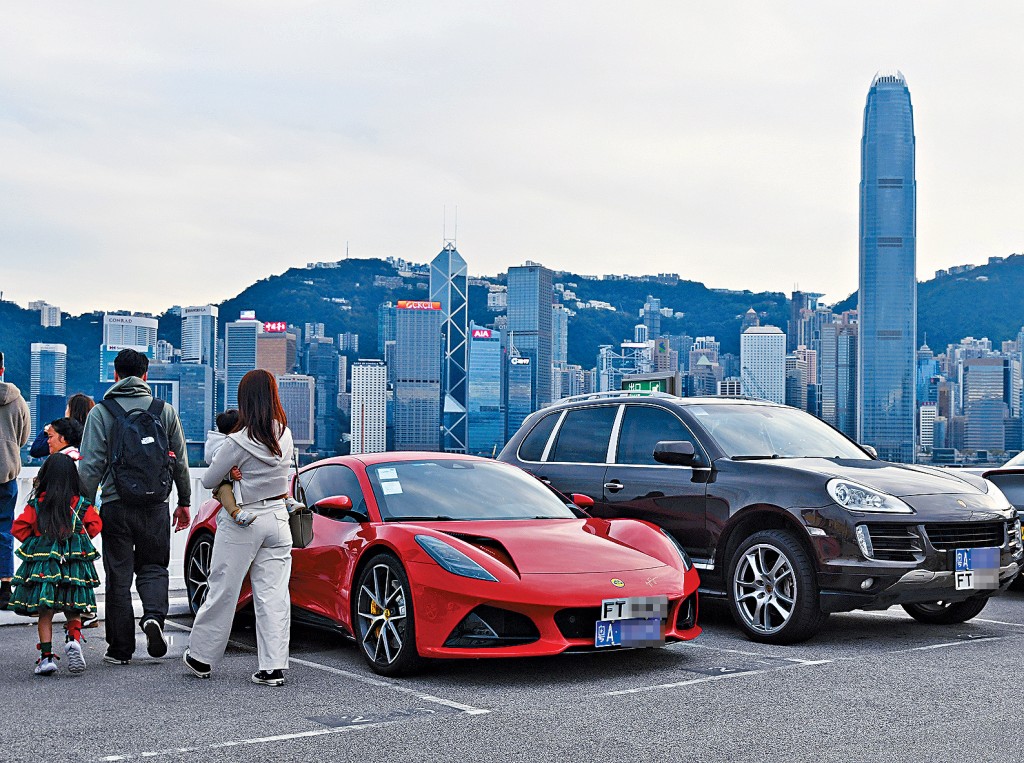
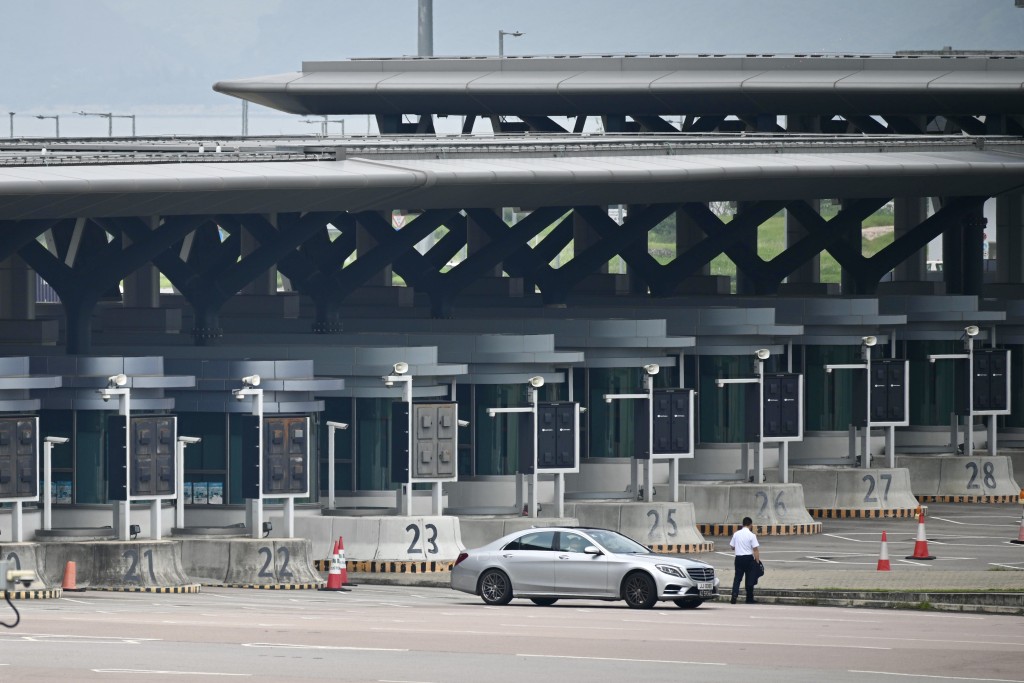
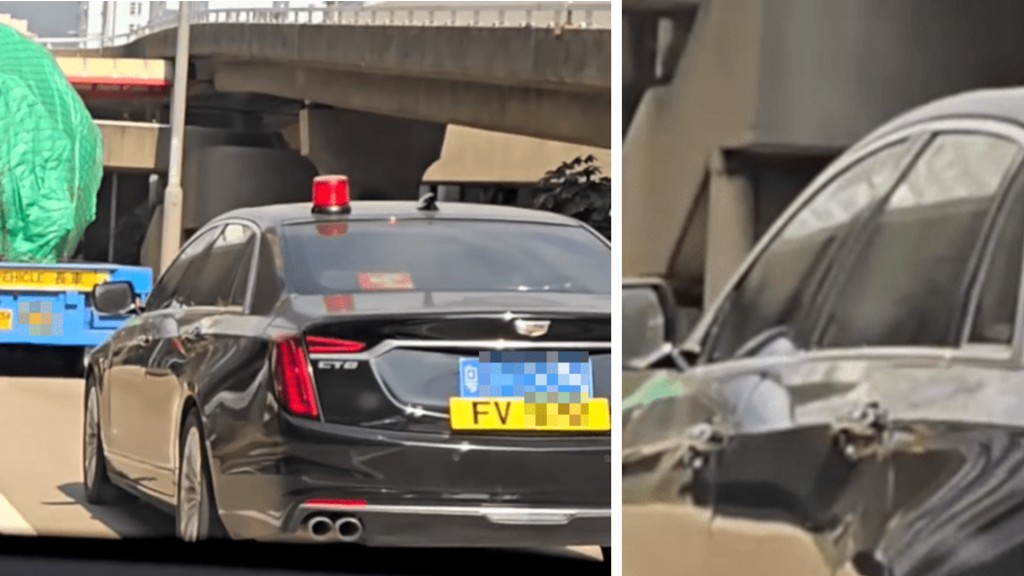
More quotas of the "Southbound Travel for Guangdong Vehicles" scheme can gradually be added if the initial phase operates smoothly, Legislative Council Transport Panel Chairman Chan Siu-Hung mentioned on a radio program, adding that the scheme will be the first agenda of the Panel on Friday.
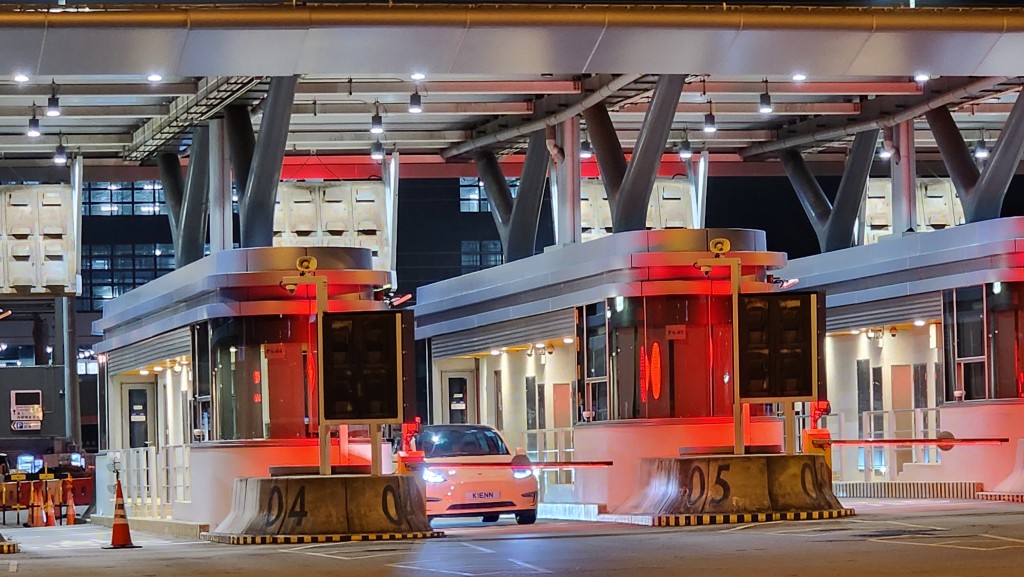
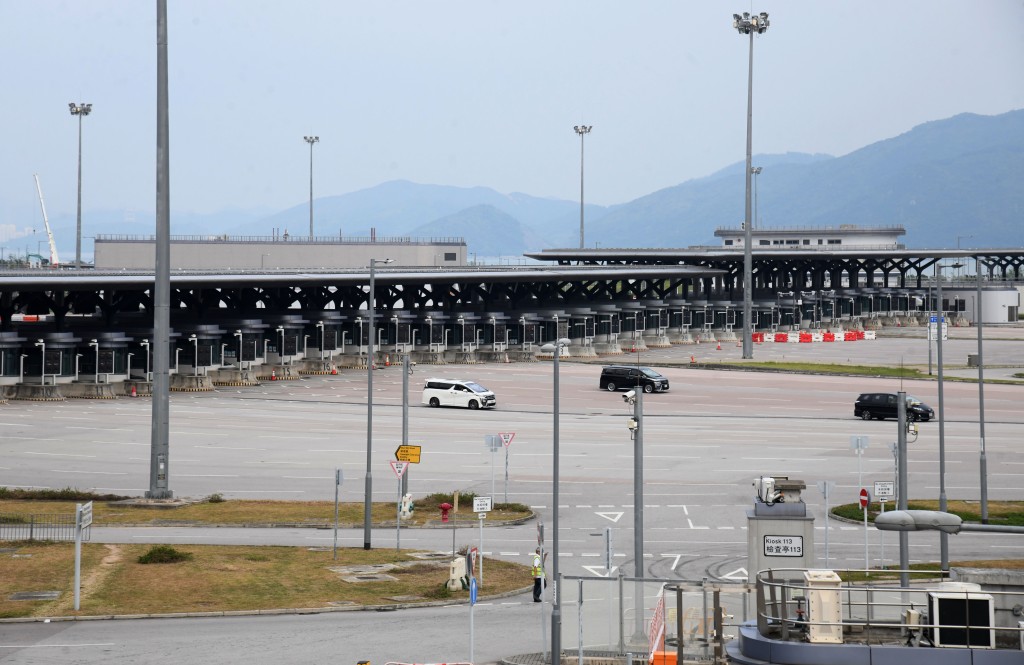
Four major strategies are outlined for the first phase, including ensuring safety, effective traffic diversion, improving facilities, and simplifying the application process for a steady rollout of the scheme.
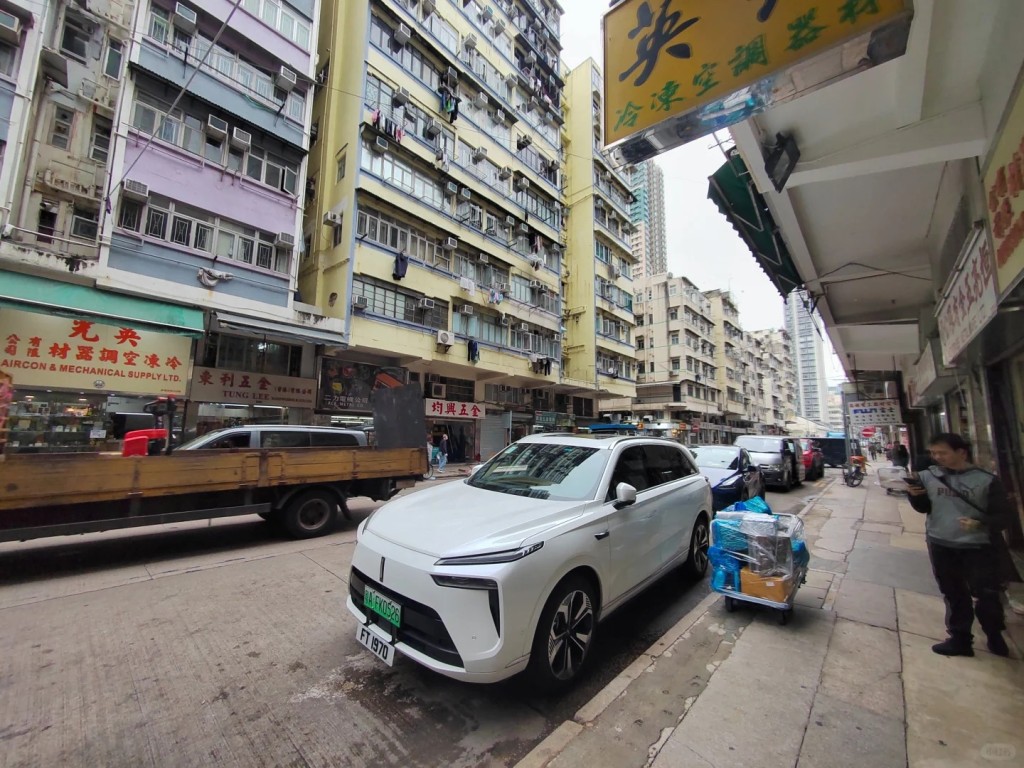
Chan acknowledged widespread expectations for the scheme to bring economic benefits, but noted concerns about Hong Kong's limited road capacity, population density, and insufficient parking spaces as well as differences in driving habits between left-hand and right-hand traffic systems.
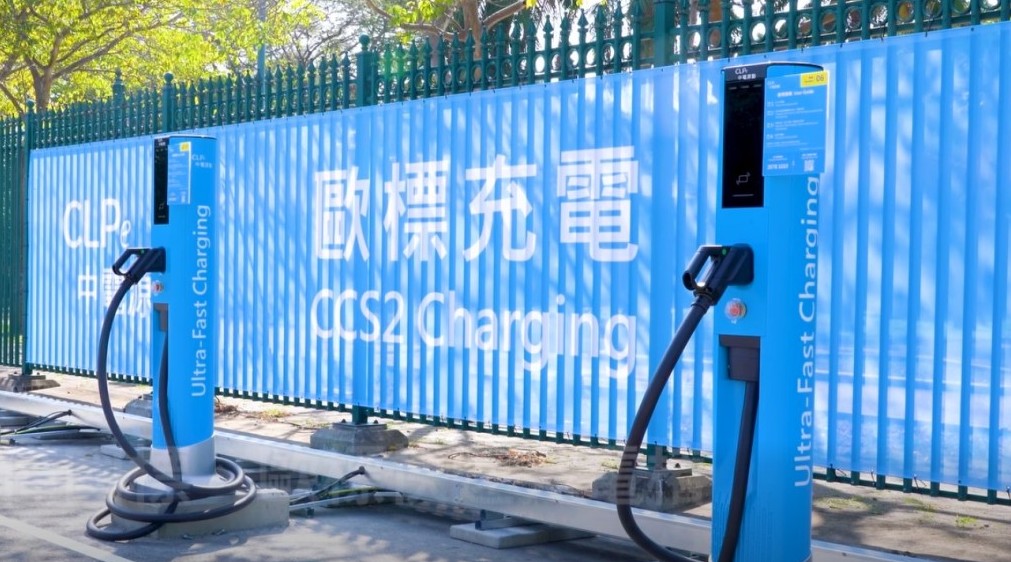
He stated that starting with a quota of 100 vehicles per day is appropriate; as each car can stay for three days, it would mean around 300 Guangdong vehicles on the roads each day - a low number compared to the current 500,000 private cars in Hong Kong. It can help assess the smoothness of the process, parking spaces, and sufficiency of charging facilities.
Chan emphasized that the key to success lies in the smooth implementation of the trial phase, which could lead to gradual expansion of the scheme if successful and yield substantial economic benefits..
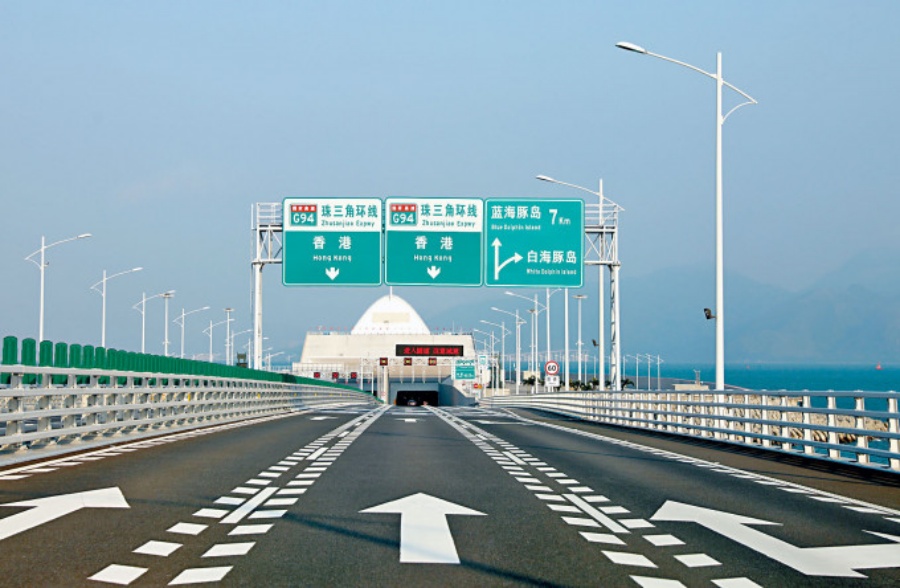
He revealed that the government plans to simplify the application process, provide road and signage guides, and produce promotional videos to familiarize mainland drivers with Hong Kong's traffic rules. There will also be widespread promotion through social media.
He also noted that the fee setting requires consideration, as a high fee may discourage potential visitors. The fee is expected to be several thousand dollars, similar to the Northbound Travel for Hong Kong Vehicles scheme, with further details to be announced.
In addition, Timothy Chui Ting-pong, executive director of the Hong Kong Tourism Association, expressed excitement over the long-awaited confirmation of the scheme in the same radio program, stating that the tourism, hotels, dining, and retail industries are eagerly anticipating its launch.
He pointed out that there is room to increase the quota on weekends, holidays, or during special occasions to attract more tourists. He expressed hopes for the scheme to attract higher-spending tourists to Hong Kong, boosting the local economy.