





Read More
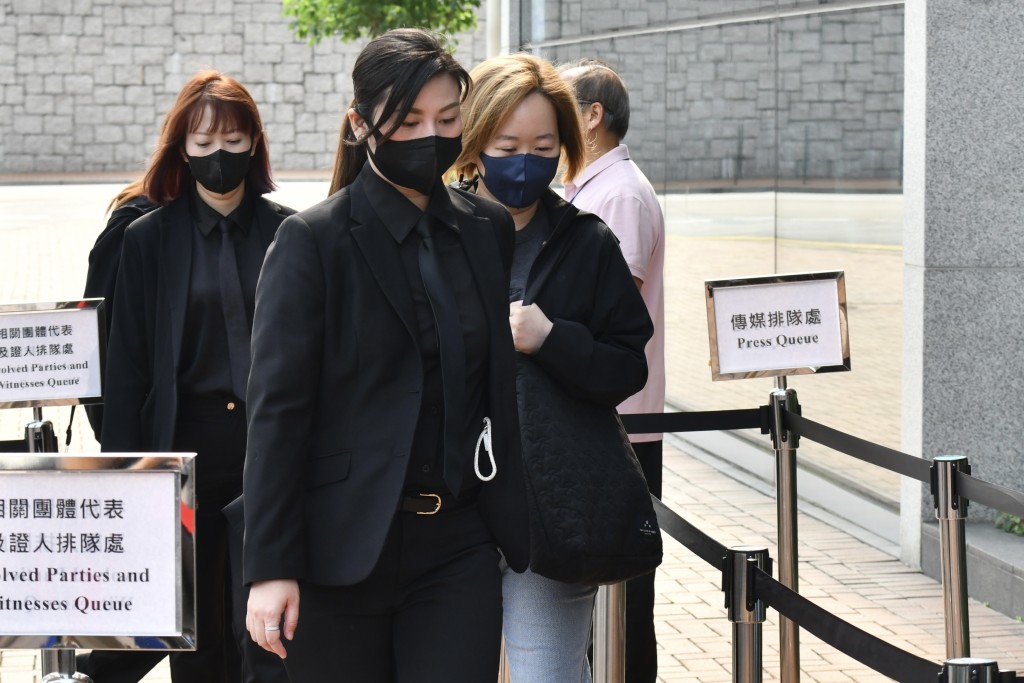

Phased return for Wang Fuk Court residents to retrieve belongings
27-03-2026 16:50 HKT


Six senior counsel appointed
31-03-2026 13:54 HKT

12 new biometric e-Channels launched in HK airport for document-free entry
01-04-2026 12:48 HKT


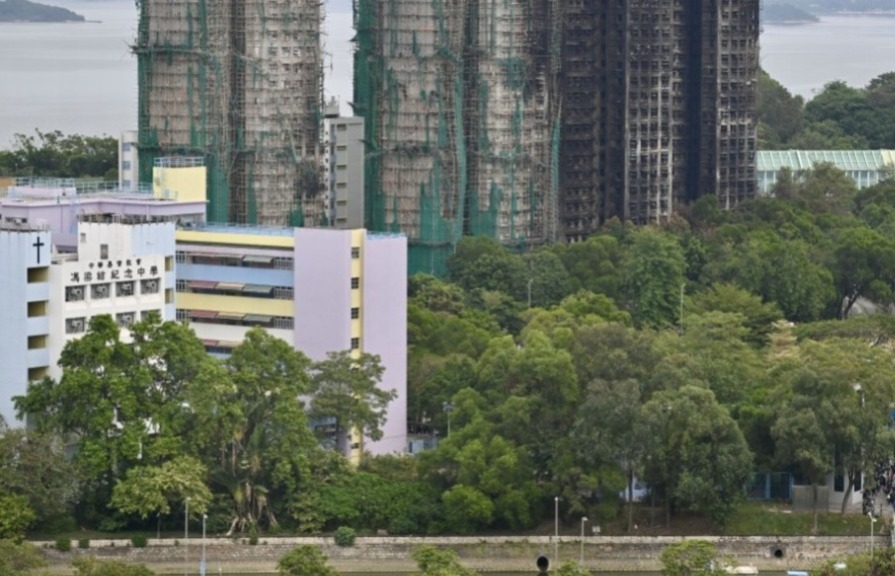
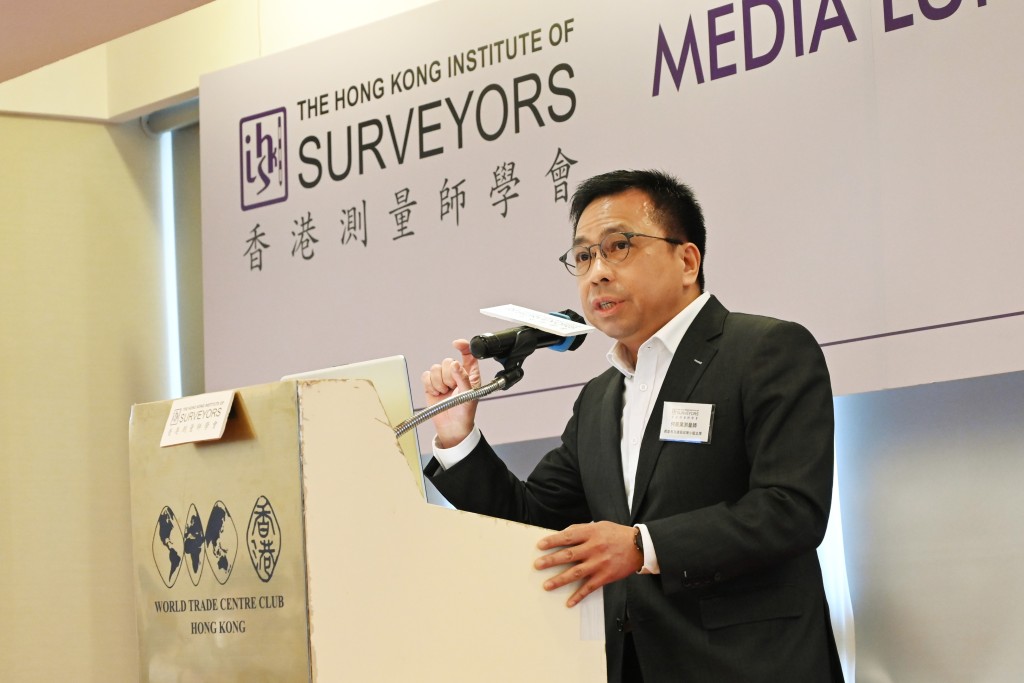
The government should consider allocating existing Home Ownership Scheme flats to displaced Wang Fuk Court residents to speed up resettlement, as in-situ redevelopment may not be the most ideal or widely accepted solution, according to Vincent Ho Kui-yip, President of the Hong Kong Institute of Building Safety.
Speaking on a radio program on Thursday, Ho said it remains difficult to determine whether Wang Fuk Court should be structurally reinforced and rehabilitated or demolished and rebuilt.
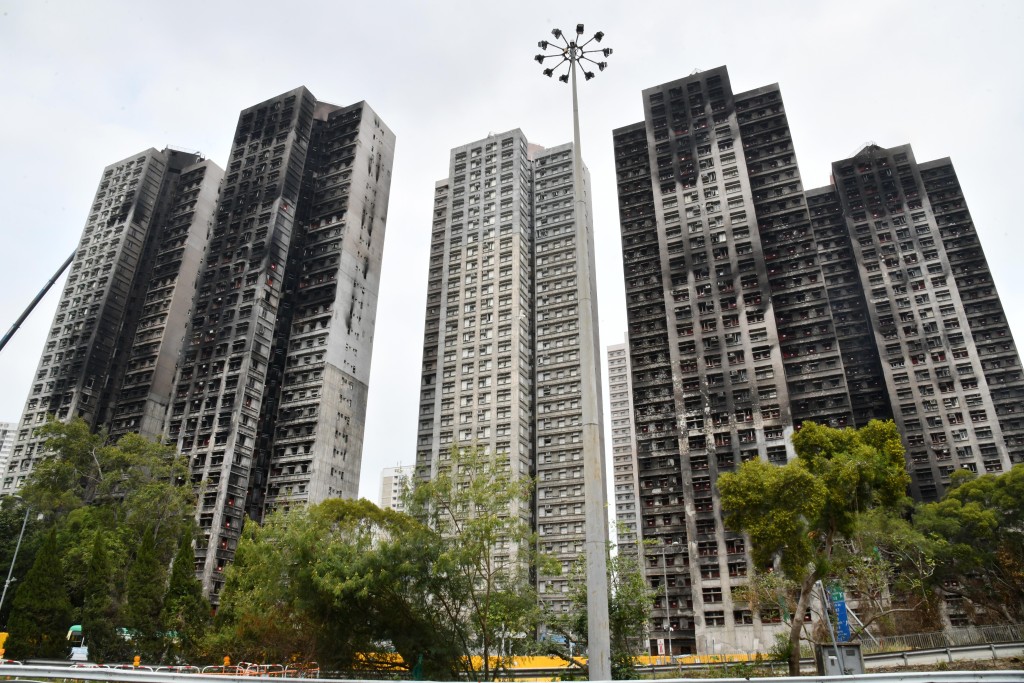
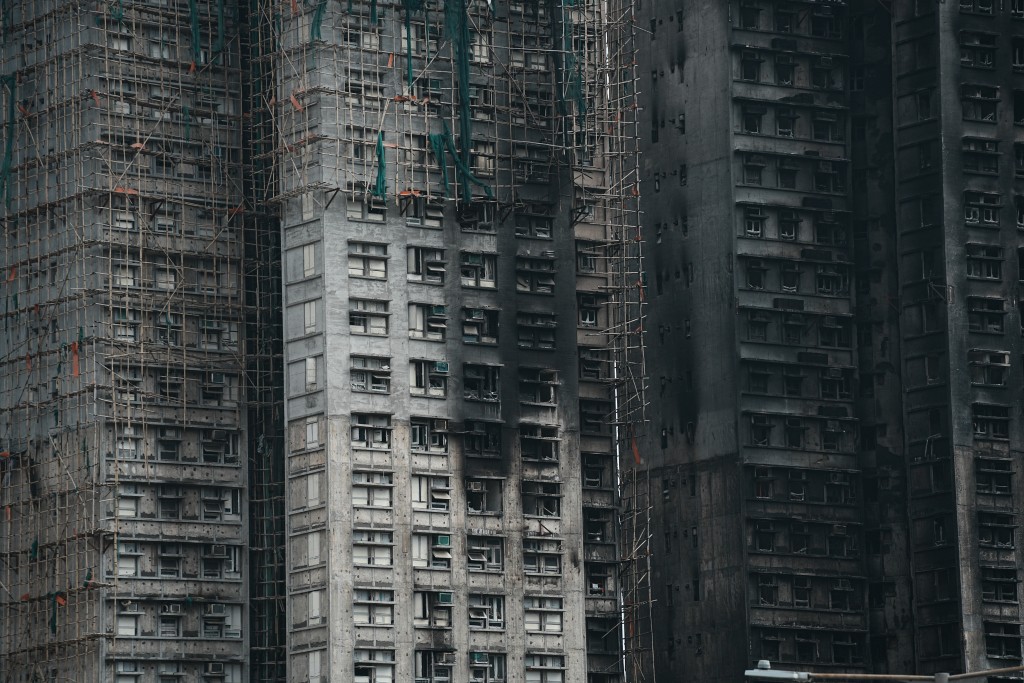
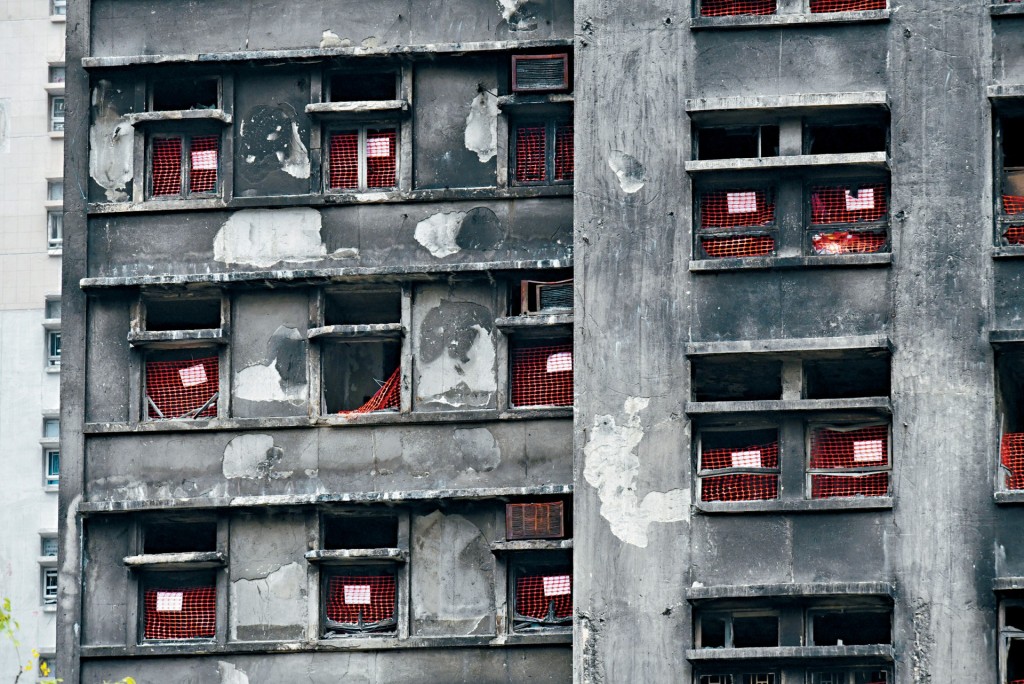
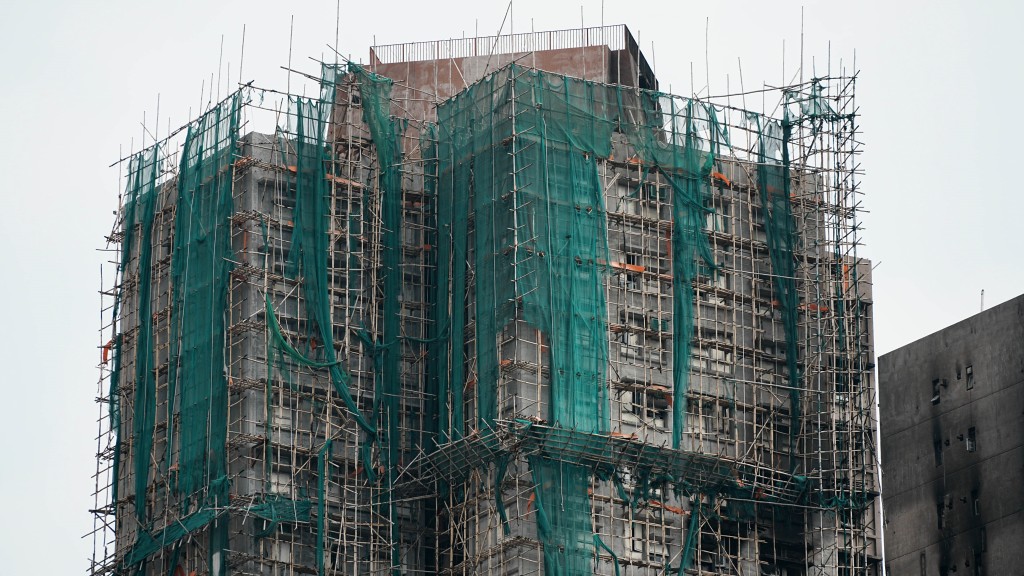
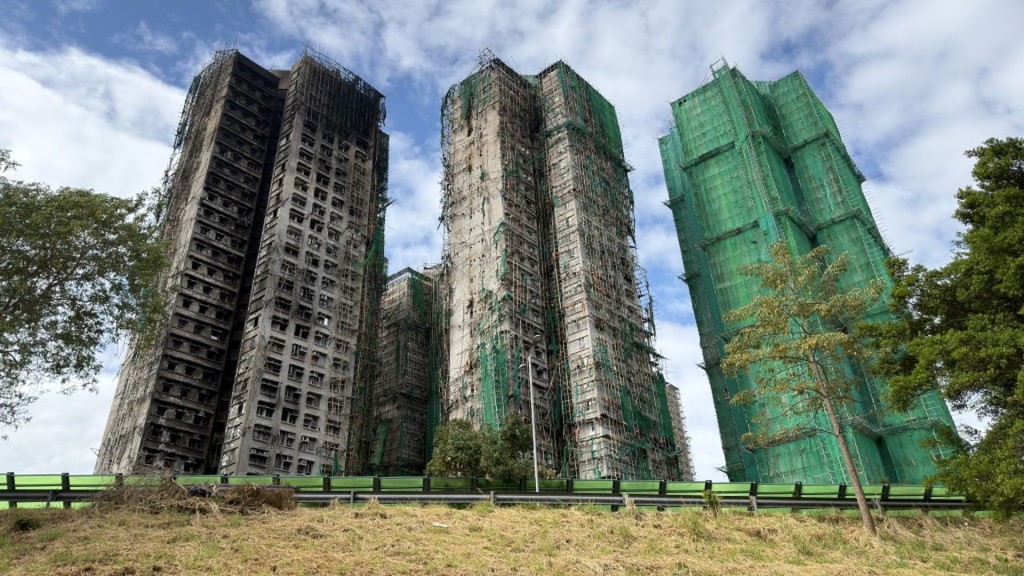
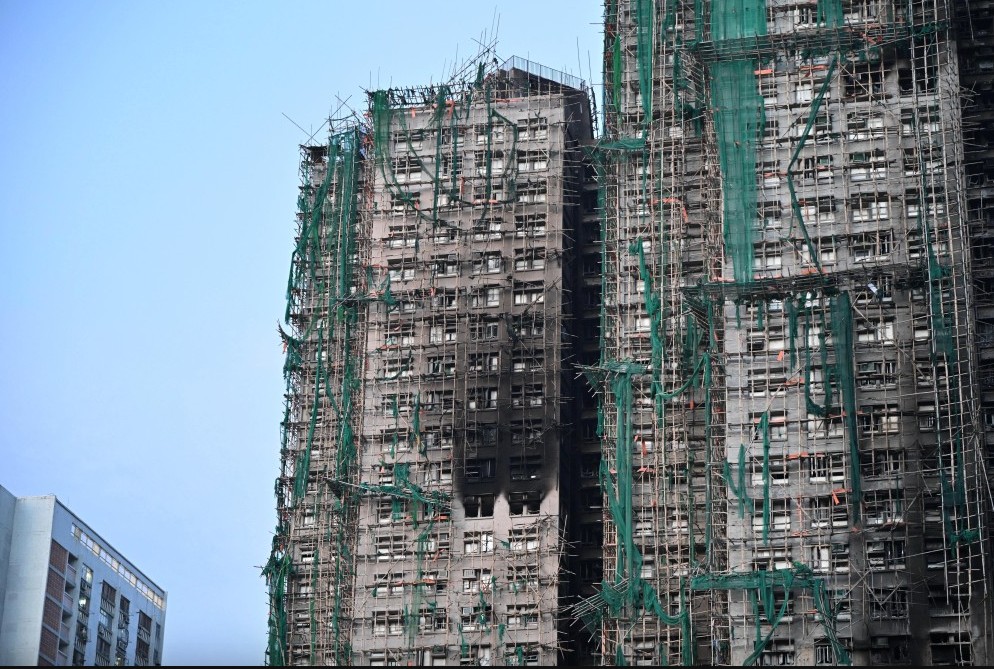
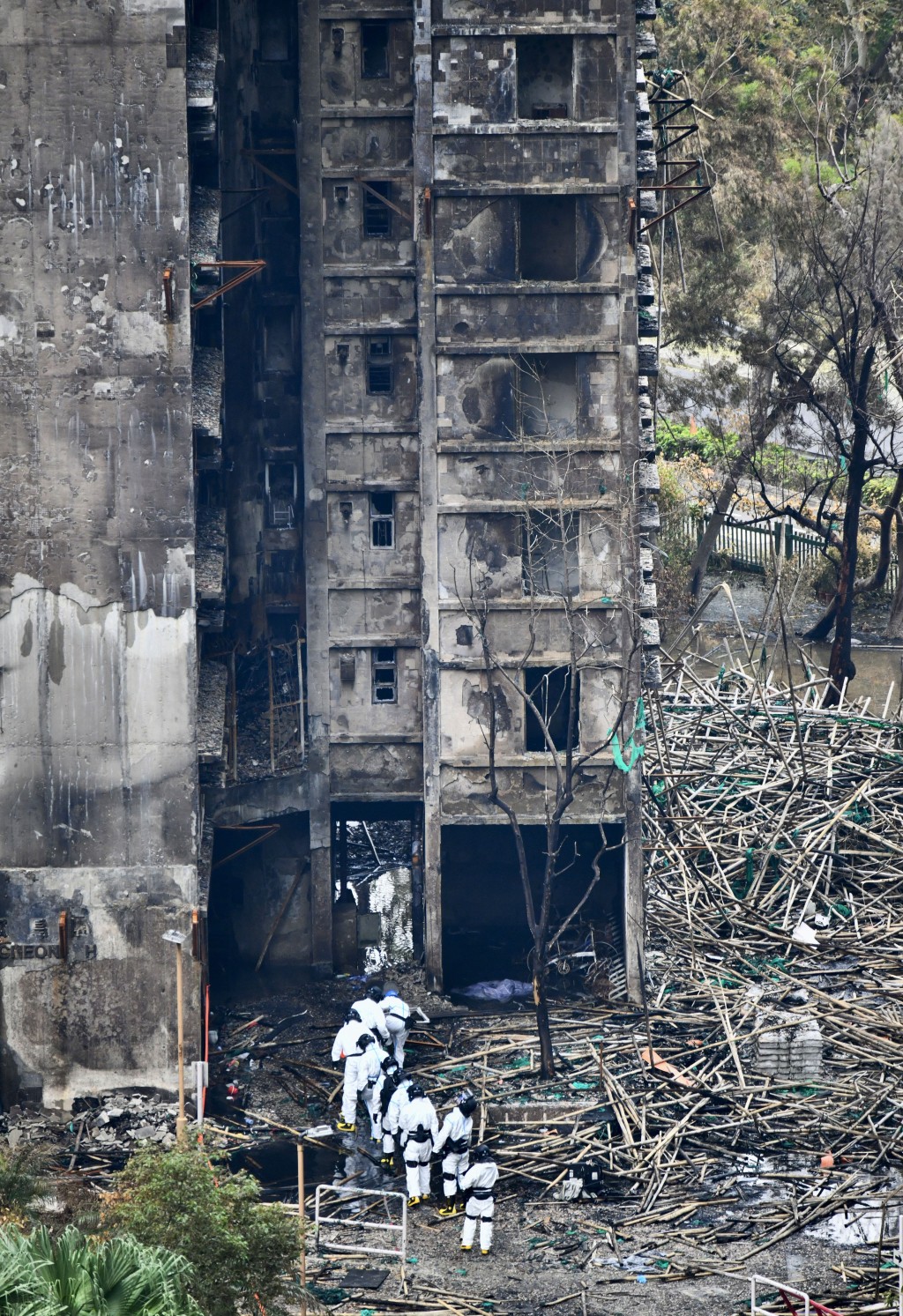
Among the seven affected blocks, the buildings that first caught fire suffered the most severe damage, while others were less affected. Ho said even professionals would struggle to conduct a full assessment at this stage, noting that any long-term plan must be based on detailed technical inspections.
When asked whether the intense heat—reported to have reached 500 degrees Celsius—combined with large volumes of water used by firefighters would have compromised the structure, Ho said experience suggests such fires can cause serious damage.
The extent of the impact, he added, depends on whether the affected areas involve key load-bearing elements and the floors damaged. He believes rehabilitation of the most severely affected buildings “may not be cost-effective.”
For the blocks with less damage, the extent varies significantly, requiring careful technical evaluation and wider discussion.
Addressing public suggestions to rebuild on-site or on nearby land—such as the Hong Kong Institute of Construction training ground near Kwong Fuk Park and Fu Shin Estate—Ho said that redevelopment may not be the best approach.
Given the casualties and scale of the tragedy, he noted, many residents may be unwilling to return to the site. On-site redevelopment is also a lengthy process involving complex issues such as property ownership and deeds of mutual covenant.
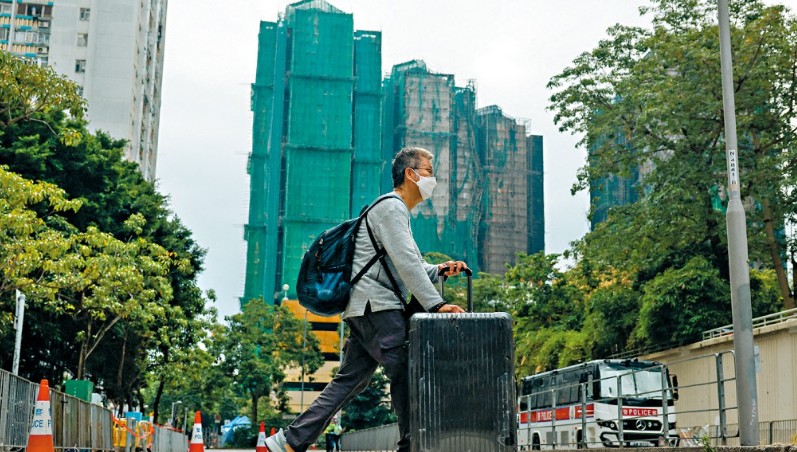
Ho added that identifying adjacent land for new construction would require rigorous assessments on traffic load, sewage capacity, noise levels, and fire risks, especially considering the proximity to industrial zones and Ting Kok Road.
He estimated that a typical redevelopment project on the same site — from design and tendering to construction — would take at least four years and cost HK$4 to HK$5 billion.
Ho urged “flexible thinking,” stressing that such an exceptional incident requires exceptional measures.
Instead of waiting years for new buildings in the same district, he suggested a decentralized approach: allowing residents to choose from existing HOS flats across the city. This, he said, would give households permanent homes much sooner.
He further noted that with nearly 2,000 households affected, only the government has the capacity to coordinate large-scale relief. The Housing Authority, he said, can offer a range of housing options.
While he believes accelerating resettlement through phased reconstruction is key, Ho emphasized that the consensus and wishes of property owners must be respected.