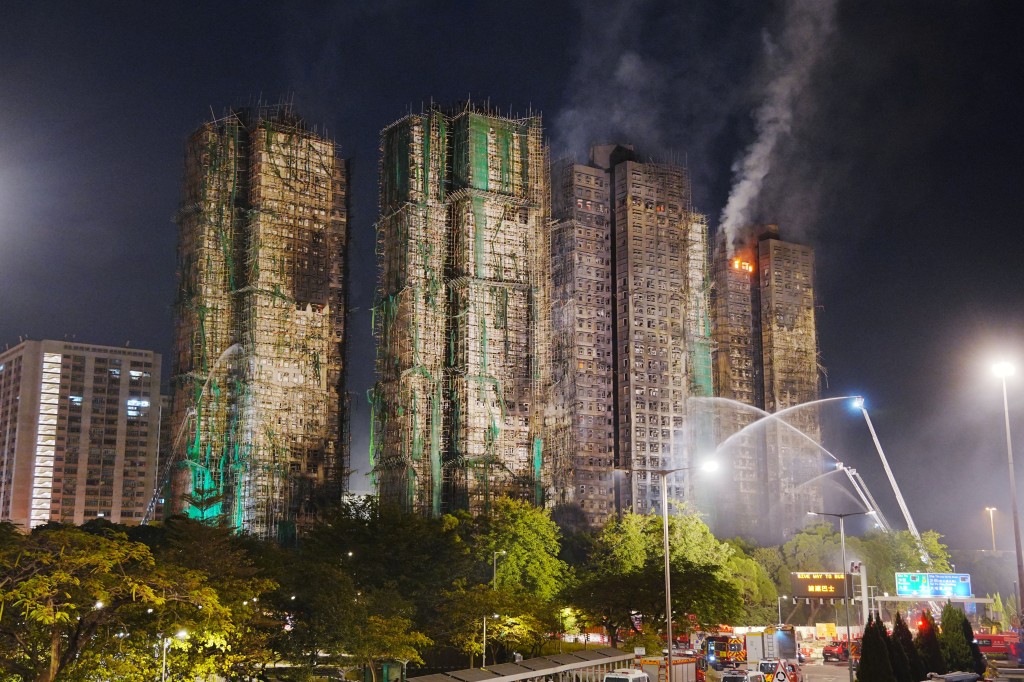
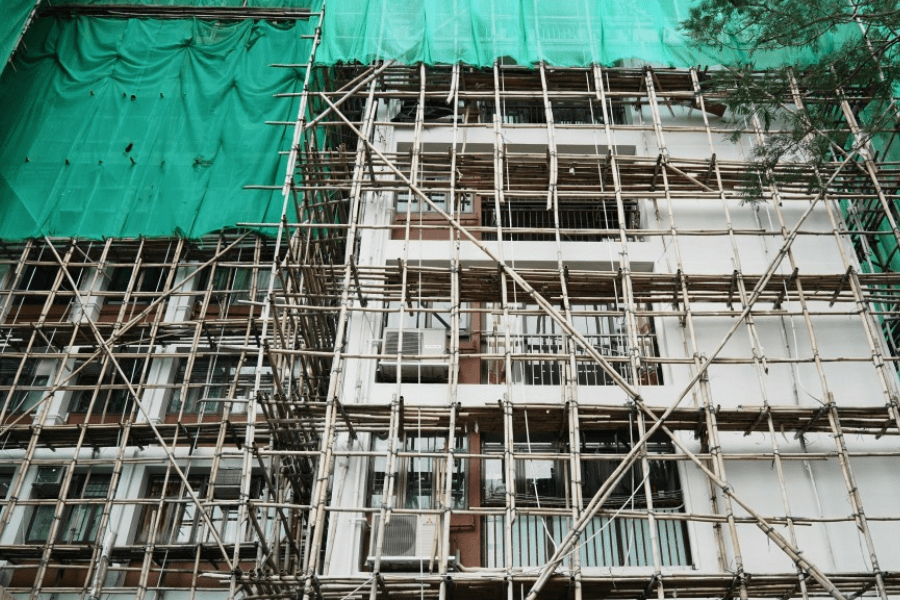
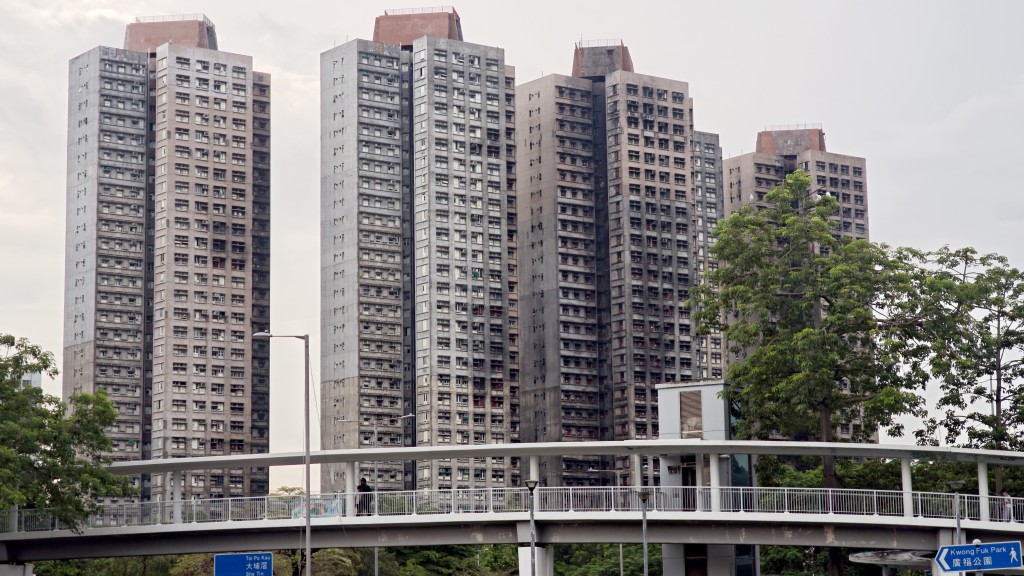
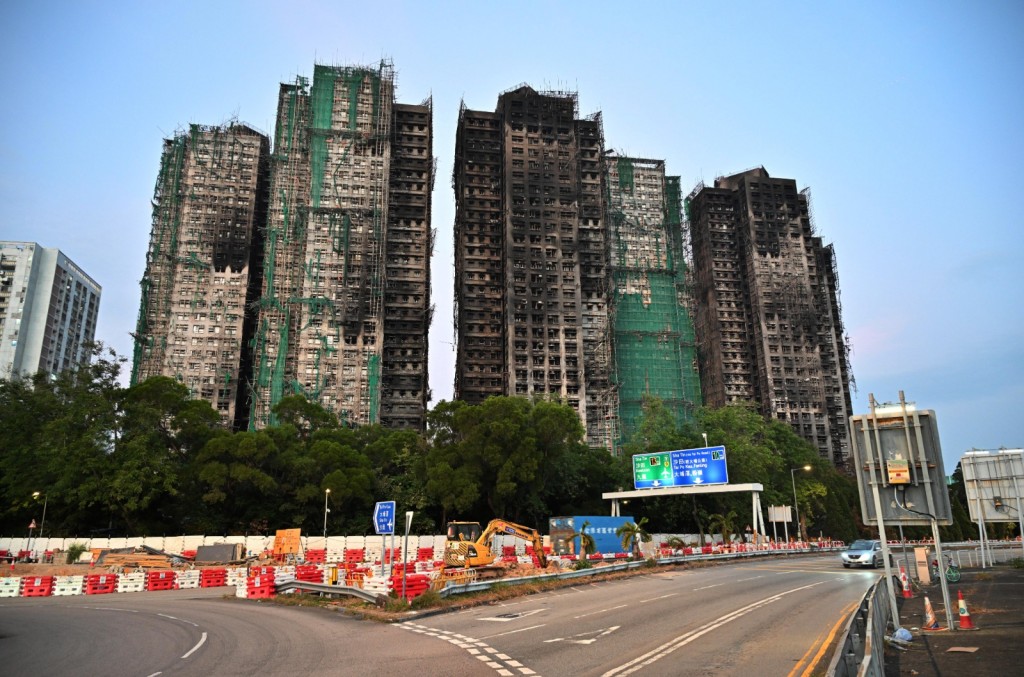
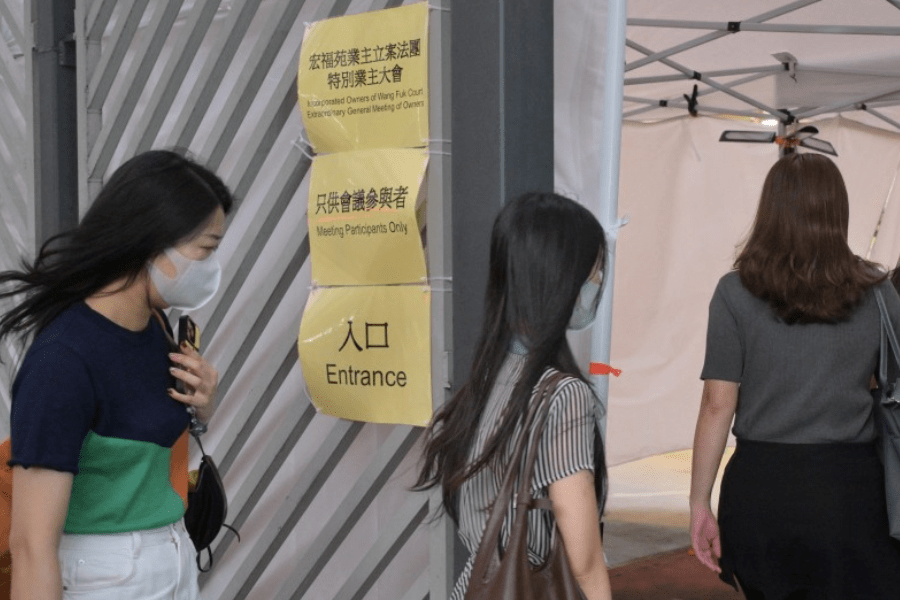
In the wake of the deadly Wang Fuk Court blaze, where flammable bamboo scaffolding and netting are suspected to have accelerated the fire, the Development Bureau met with industry leaders on Thursday to speed up a long-discussed transition to metal scaffolding, agreeing on a phased, non-mandatory roadmap that identifies which types of projects are best suited for the switch.
Chairman of the Hong Kong Construction Industry Employees General Union, Chau Sze-kit, said that workers are open to change but stressed the real issue is not the material itself but poor site management.
He pointed to the Tai Po tragedy, questioning why eight blocks were renovated simultaneously, how risks were assessed, and why no one appeared to notice potentially non-fire-retardant netting or the widespread use of foam sealant around windows.
While metal scaffolding is far more fire-resistant than bamboo, he warned that once heated to extreme temperatures, it can lose strength and collapse more suddenly, and past overseas accidents involving metal systems underline that safety ultimately depends on supervision rather than material alone.
Both labor and subcontractor representatives highlighted logistical challenges in densely built Hong Kong: metal systems are heavier and bulkier to store and transport on narrow streets, and generally cannot reach the same heights as traditional bamboo setups.
With around 3,000 active bamboo scaffolders and 2,000 metal-trained workers in the city, retraining the workforce could be quick—perhaps just a week for experienced hands—yet wages for metal work might drop by several hundred dollars a day because the job is technically less demanding.
Hong Kong Construction Sub-contractors Association Lawrence Ng San-wa backed a gradual rollout, suggesting metal scaffolding be mandated first on spacious new-build sites while older estates, where heavier loads and limited anchoring points pose problems, continue using bamboo until other solutions are found.