Over 40 percent of nutrition advice circulating online is scientifically misleading, including claims like “eating fruit after meals is equivalent to chronic suicide,” according to a recent Hong Kong Nutrition Association (HKNA) survey.
Health experts warn that believing in and acting on such misinformation could harm public health, urging citizens to seek reliable dietary guidance from science-based nutrition sources such as the Department of Health and the Hospital Authority.
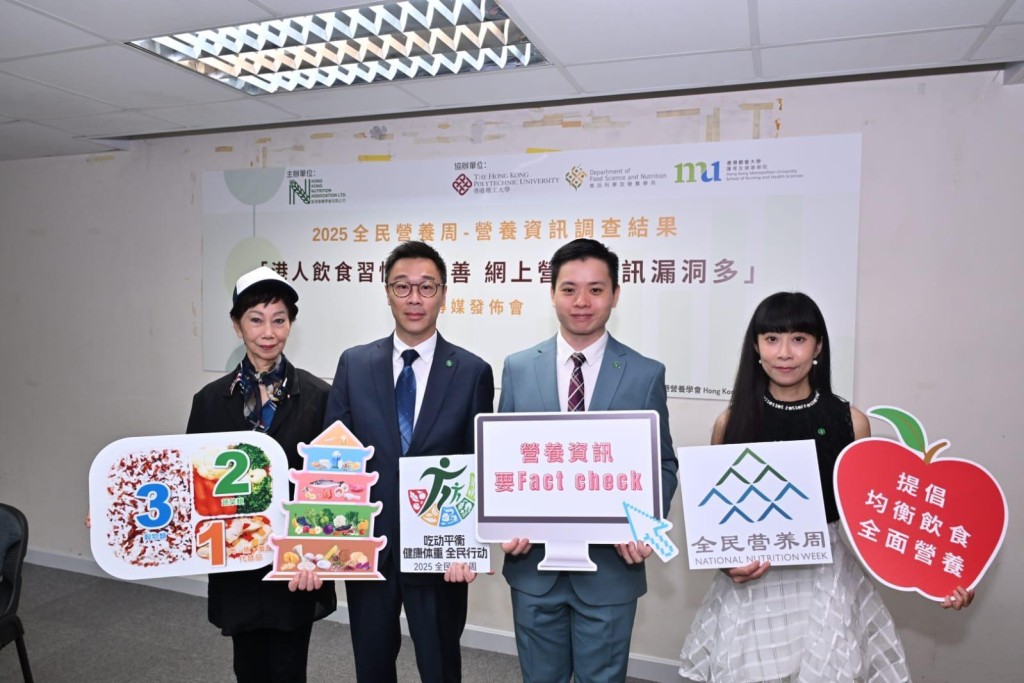
The online survey, jointly conducted by HKNA, Hong Kong Polytechnic University, and Hong Kong Metropolitan University from March to May, collected responses from 916 adults aged 18 and above to examine dietary habits and nutritional information sources among Hong Kong residents.
The study revealed that nearly 40 percent of participants had tried at least one popular diet, with intermittent fasting, an eating pattern that cycles between periods of fasting and eating, being the most common choice (51 percent), followed by low-carbohydrate diets (43 percent).
HKNA Internal Affairs Officer and Assistant Professor in the Department of Food Science and Nutrition at PolyU Kenneth Lo Ka-hei noted that the findings reflect Hongkongers’ growing emphasis on healthy eating and their willingness to explore different dietary approaches to improve their health.
Besides, through a random survey of 136 websites containing or sharing weight loss information, the association discovered that 42 percent included misleading content.
HKNA President and UK-registered nutritionist Terry Ting Ho-yan described much online health information as “pseudoscience” lacking clinical evidence, calling some claims completely baseless.
Ting specifically refuted claims like “eating fruit after meals is equivalent to chronic suicide,” highlighting benefits of fruits in providing antioxidants, dietary fiber, and protection against heart disease and cancer.
“We recommend not juicing them or eating excessive amounts. Those with diabetes should consult a nutritionist,” he added.
The HKNA suggests that the government improve nutrition education by employing qualified nutritionists and dietitians to raise health awareness in communities and schools.
(Cheng Wong)