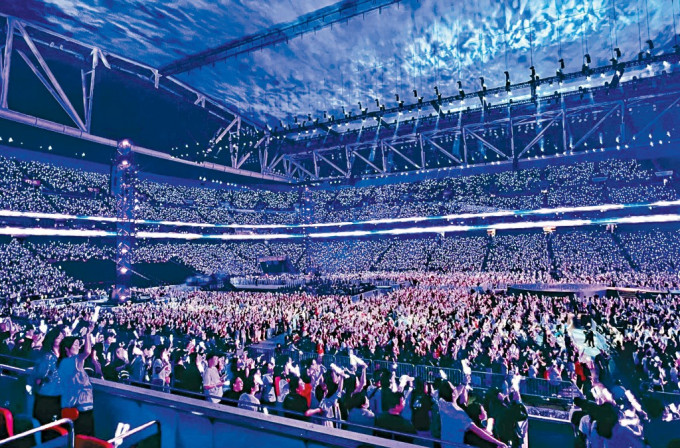
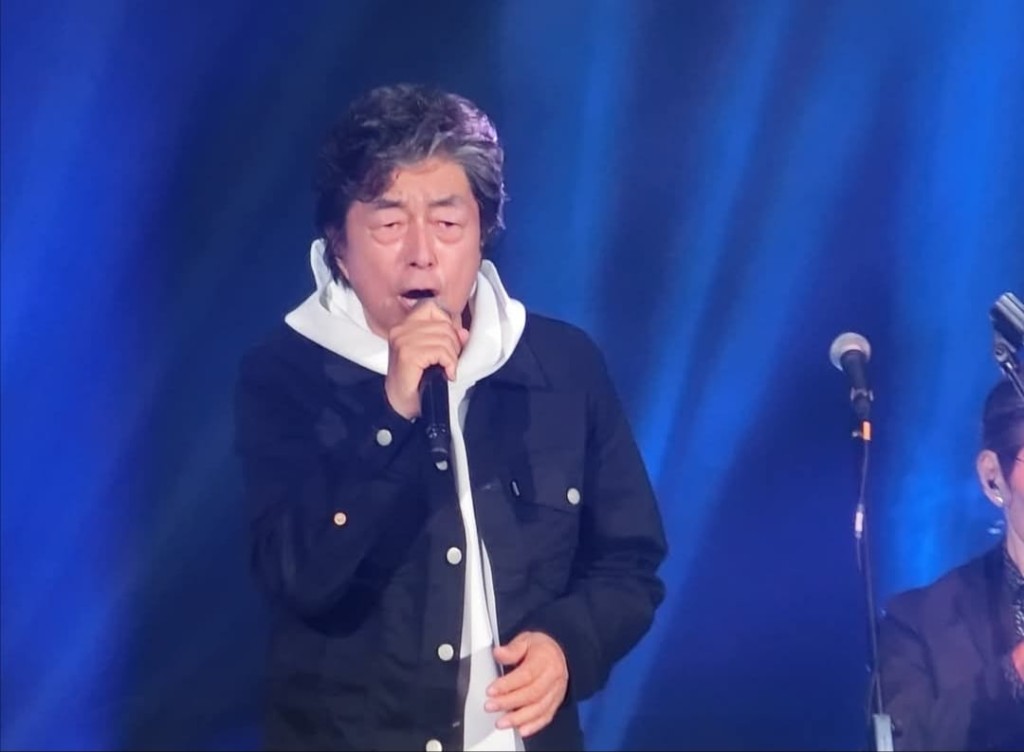
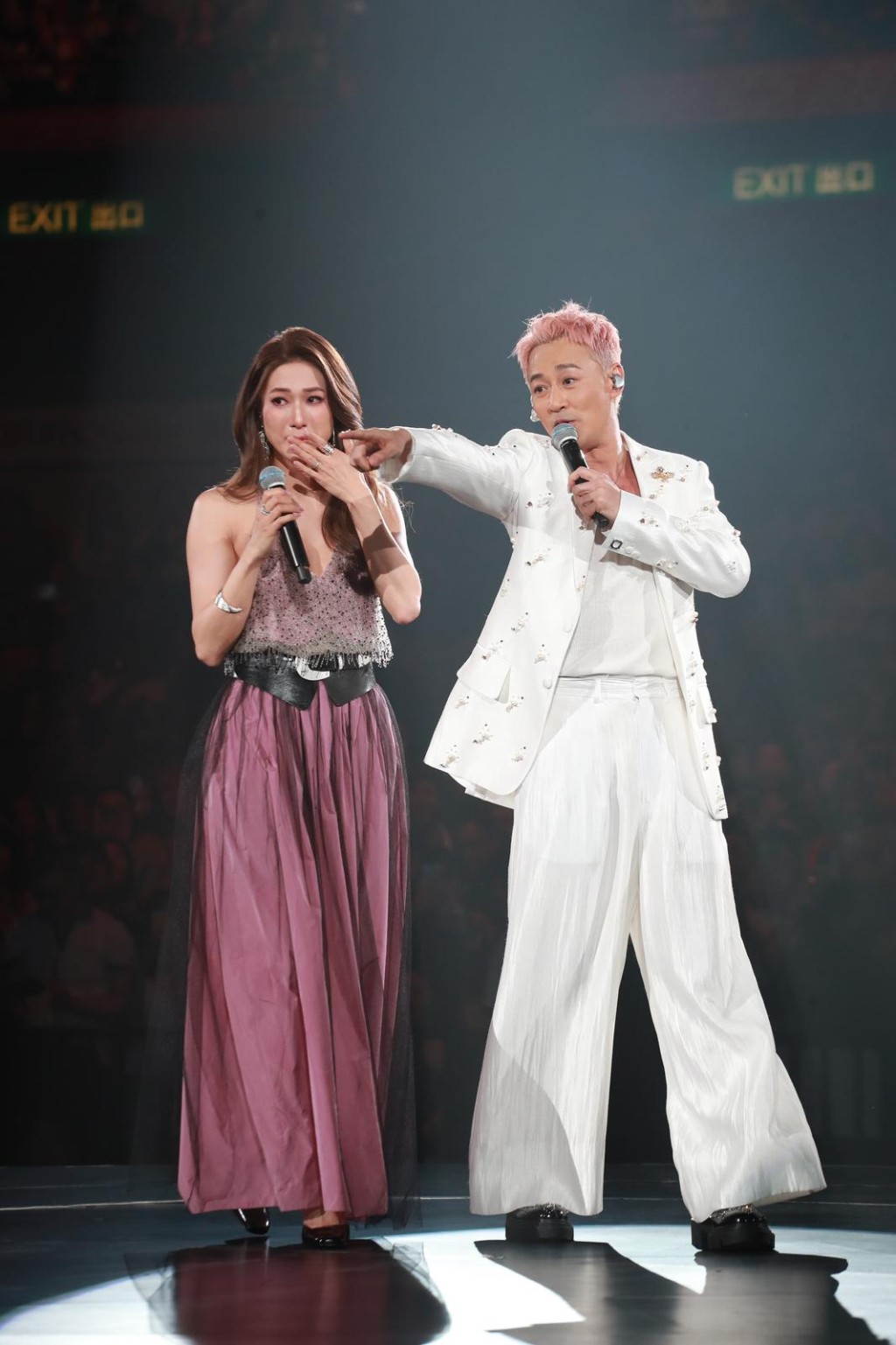
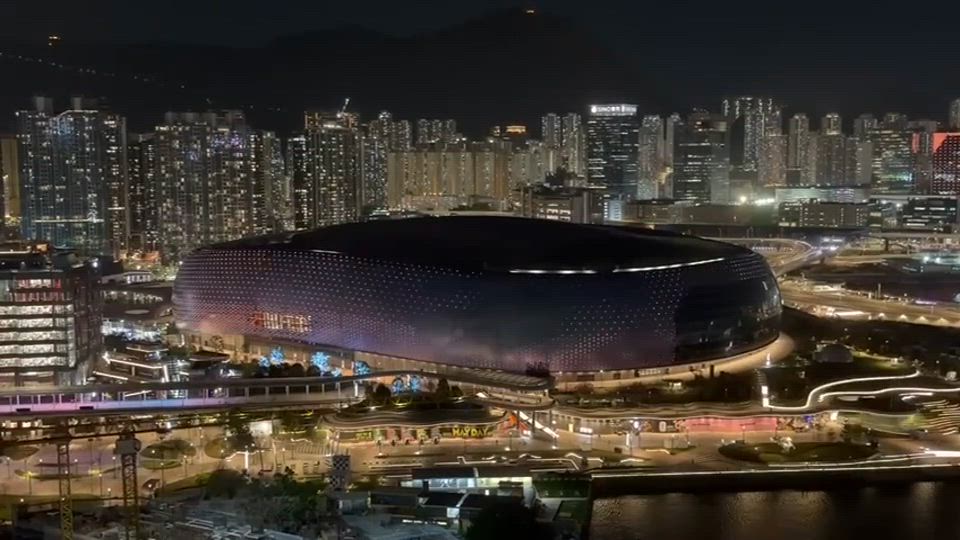
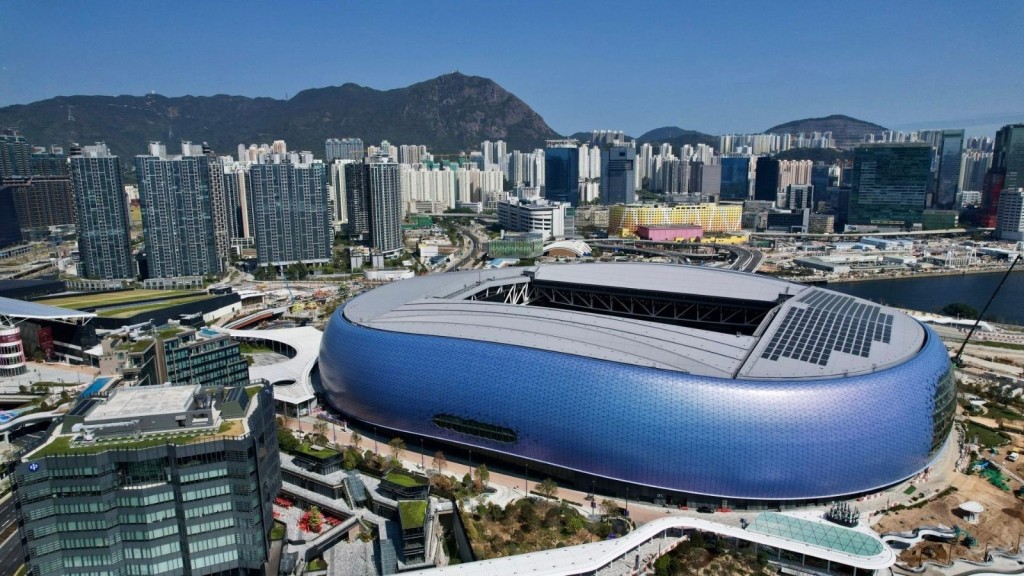
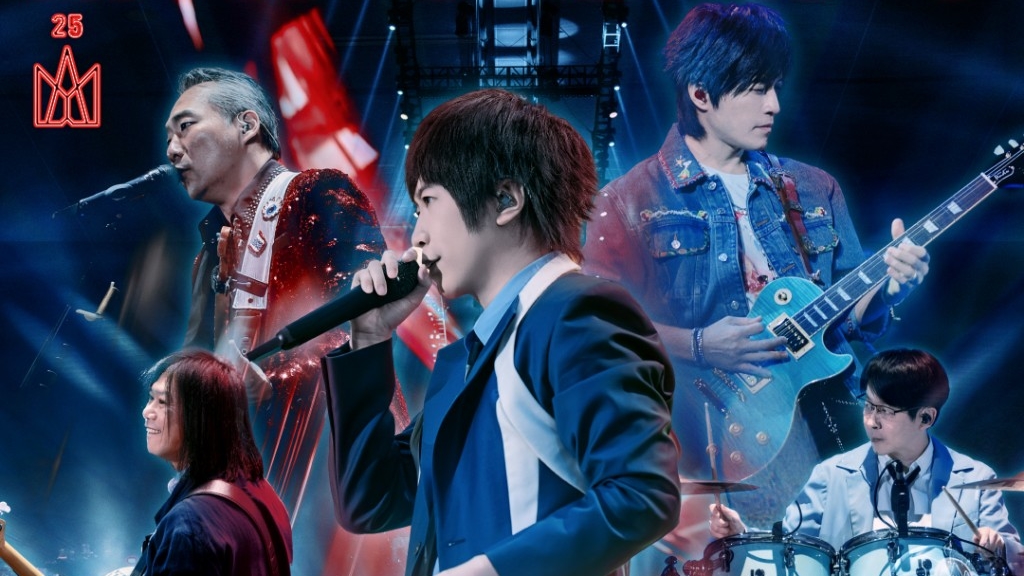
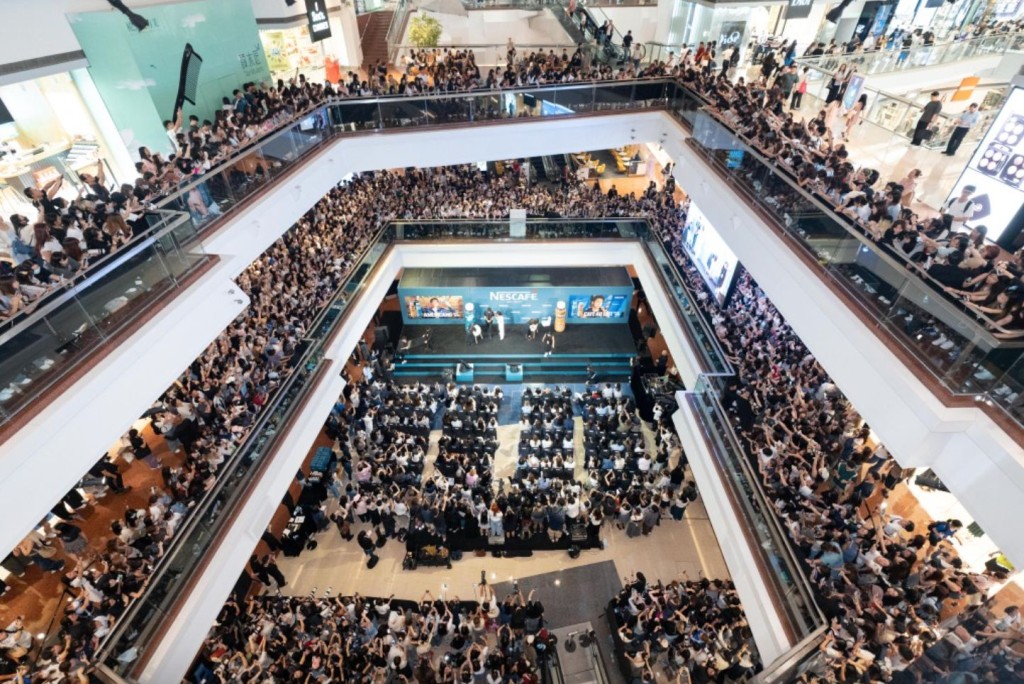
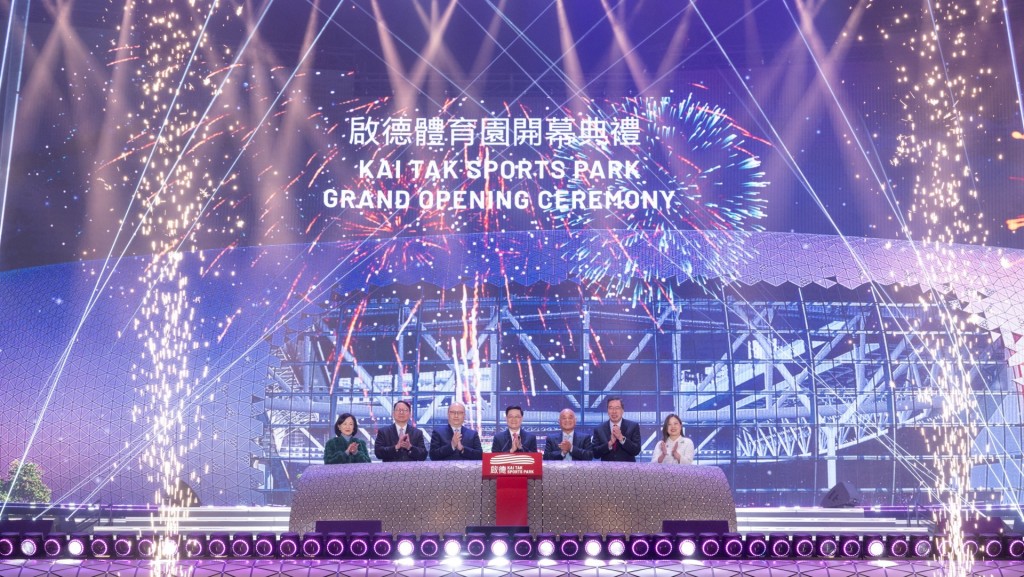
Hong Kong’s concert economy saw a major boost last Saturday as performances by JJ Lin, BABYMONSTER, Masatoshi Nakamura, and Raymond Lam drew crowds to the Kai Tak Sports Park, AsiaWorld-Expo, Hong Kong Coliseum, and Queen Elizabeth Stadium, respectively.
The surge in visitors, including many from mainland China and overseas, has brought significant economic benefits to surrounding businesses and employment opportunities.
Secretary for Culture, Sports and Tourism Rosanna Law Shuk-pui praised the diversity of acts, highlighting the presence of popular performers from Singapore, Japan, and South Korea.
"Having four concerts in one night, featuring both local and international artists, shows that Hong Kong’s concert economy is thriving," she told Sing Tao Daily, The Standard’s sister publication. "We shouldn’t underestimate ourselves—these events bring clear economic benefits, boosting sectors like dining and retail."
Business boost for local establishments
Law noted that when major events are held at Kai Tak, restaurants in Kowloon City see a noticeable uptick in business. However, she acknowledged the challenge of encouraging concertgoers to stay overnight.
"While we hope more visitors will extend their stay, we understand different travelers have different preferences," she said. "We’ll improve transport information, such as announcing last train times at venues, so attendees can plan accordingly."
Entertainment production company manager Henry pointed out that artists with strong mainland fan bases drive ticket sales.
"Hotels near Kai Tak are fully booked during concerts, with rooms selling out quickly," he said. Hong Kong Tourism Association executive director Timothy Chui Ting-pong added that when well-known Mandarin singers perform, mainland fans can make up half or more of the audience.
Local businesses have reaped the rewards. A beverage shop in Kai Tak reported selling 300 to 400 drinks during concerts, up from its usual 100, while a boutique store saw 70 percent to 80 percent of its customers coming from outside Hong Kong.
Lawmaker Kitson Yang Wing-kit noted that restaurants near Sung Wong Toi MTR station saw a 20 percent to 30 percent rise in business, though gains were more modest farther away.
To manage the influx, Eternal East Cross-Border Coach has expanded its "concert express" routes between Greater Bay Area cities and Hong Kong venues.
Deputy Operations Director Tse Wai-chun said the Kai Tak route alone transported 2,500 fans daily during JJ Lin’s concert, requiring 60 to 70 buses to handle post-show crowds.
However, many attendees opt for same-day returns to save costs.
"Concert tickets are already expensive, leaving fans with less to spend on hotels or shopping," said Lisa Wan Chun-ying of CUHK’s School of Hotel and Tourism Management.
Challenges in visitor retention
Hotel prices during peak periods can surge by 20 percent to 50 percent, with three-star rooms jumping from HK$500 to up to HK$1,600, according to Travel Agent Owners Association president Freddy Yip Hing-ning.
To enhance visitor retention, experts suggest offering bundled hotel packages with dining and shopping perks, or adding pre- and post-concert activities like fan meetings and cultural exhibitions.
"We can learn from Kaohsiung’s model, creating festival-like atmospheres with night markets and pop-up events," said Wan.
Kenneth Kwong Ka-kei, associate professor at the Department of Marketing of the Hang Seng University of Hong Kong, meanwhile, urged a long-term view.
"Word of mouth takes time to build," he said. "If fans share positive experiences, more performers and tourists will follow."
His remarks were echoed by Yip, stressing the need for sustained efforts: "Only by maintaining strong visitor numbers can we keep the momentum going."
As Hong Kong’s concert scene flourishes, the focus now shifts to maximizing its spillover effects—turning a night of entertainment into a longer, more lucrative stay.
Innovative strategies for future growth
Some scholars have proposed enhancing diversified income channels by promoting online live broadcasts or e-commerce sales of ancillary products, thereby increasing the overall economic value of concerts.
Supporters of a Korean pop group have expressed positive sentiments about live broadcasts on online platforms, citing that the cost will be cheaper but comes with a clearer view as the key benefit of enjoying the concert experience online. However, they acknowledge that the atmosphere of a live performance cannot be replicated when viewed remotely.
A professional in the performance industry has observed that the willingness of mainland fans to travel to Hong Kong to watch the shows is closely related to the appeal of the artists.
It was noted that numerous South Korean celebrities have visited China to conduct autograph sessions this year, however, they have not yet performed officially in the region. Consequently, Hong Kong has emerged as a pivotal destination for the Asian tours of South Korean artists.
Economist Simon Lee Siu-po also highlighted the advantages of venues in Hong Kong to provide a more comfortable experience compared to most outdoor venues located in Shenzhen, resulting in an enhanced experience for the audience.
(Marco Lam)