Few foods carry quite as much sentiment as the mooncake. Passed across office desks, shared around family tables and packed carefully into gift bags each Mid-Autumn Festival, it remains a familiar symbol of reunion. Yet the way Hong Kong celebrates the tradition is quietly changing.
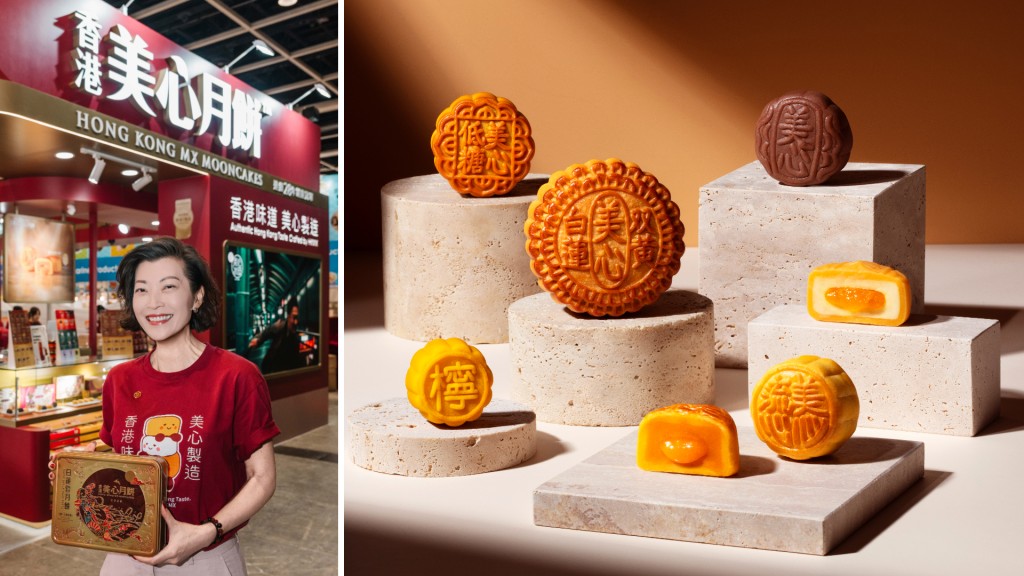
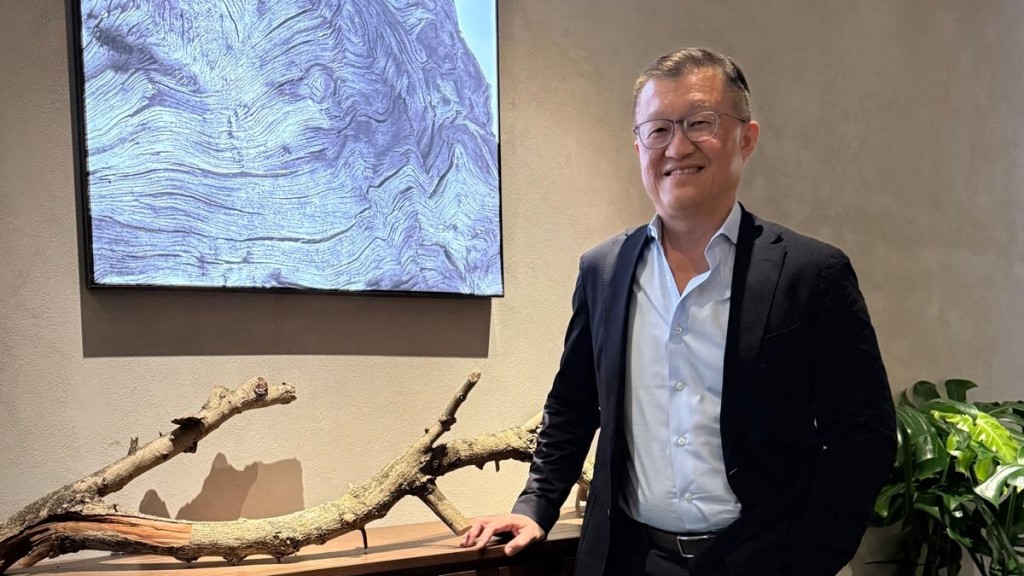
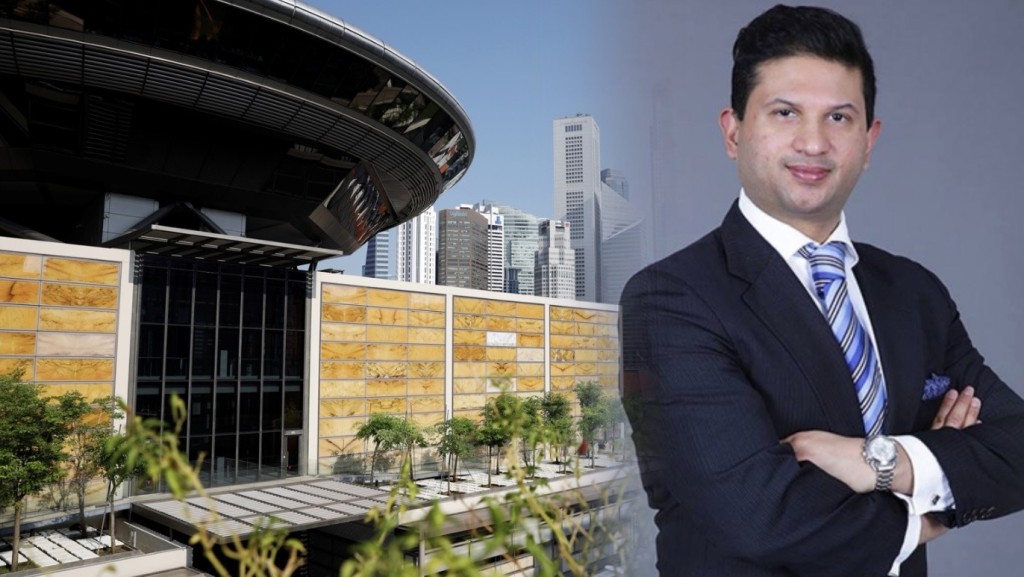
Carmen Chiu, director of branded products at Maxim’s Food Group, has seen consumers become more selective in what they bring to the table. Heritage, trusted quality and food safety still matter, but younger buyers are also drawn to imaginative flavors, striking packaging, limited-edition collaborations and products with a story to tell.
“Younger consumers are not abandoning tradition,” Chiu said. “Instead, they are rediscovering it through a modern lens.”
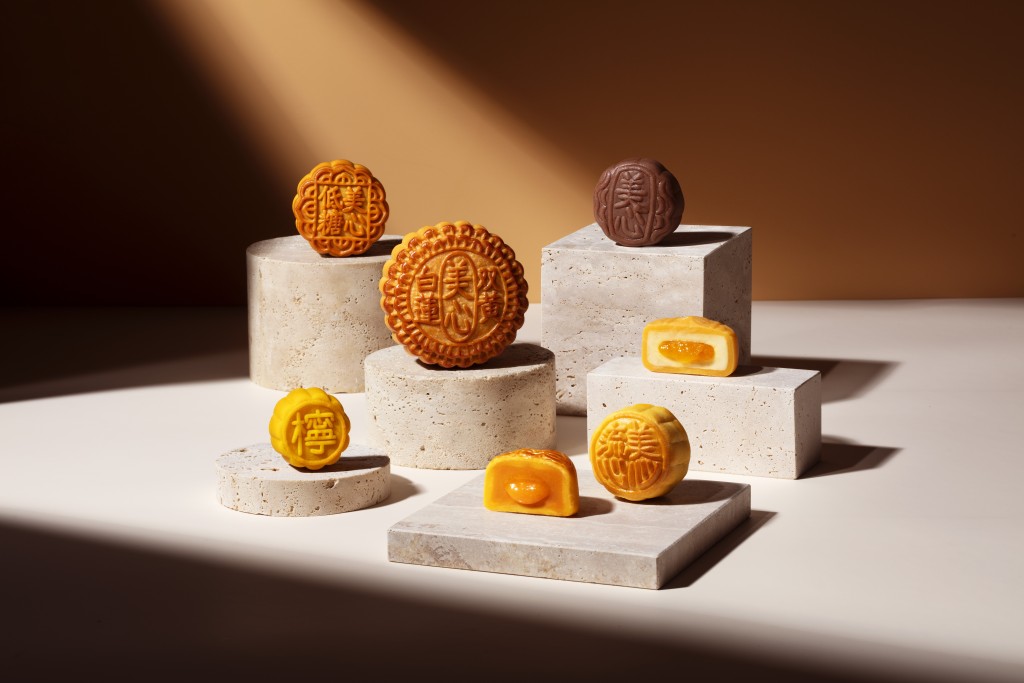
The classic White Lotus Seed Paste Mooncake remains an enduring Mid-Autumn favorite.
Maxim’s is bringing innovation to a deeply rooted festive tradition.
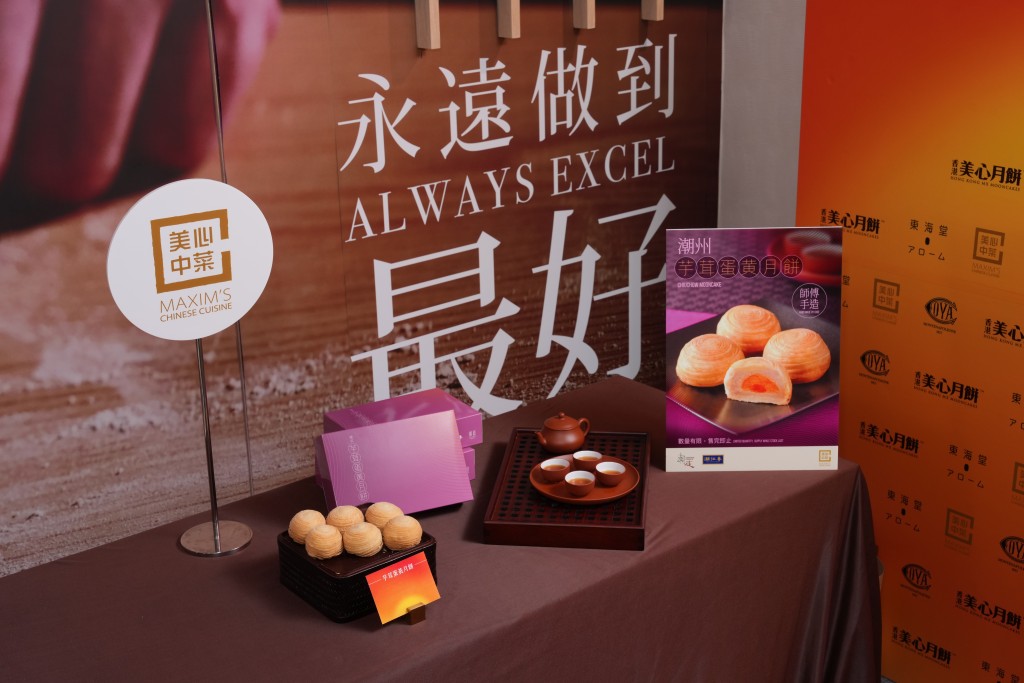
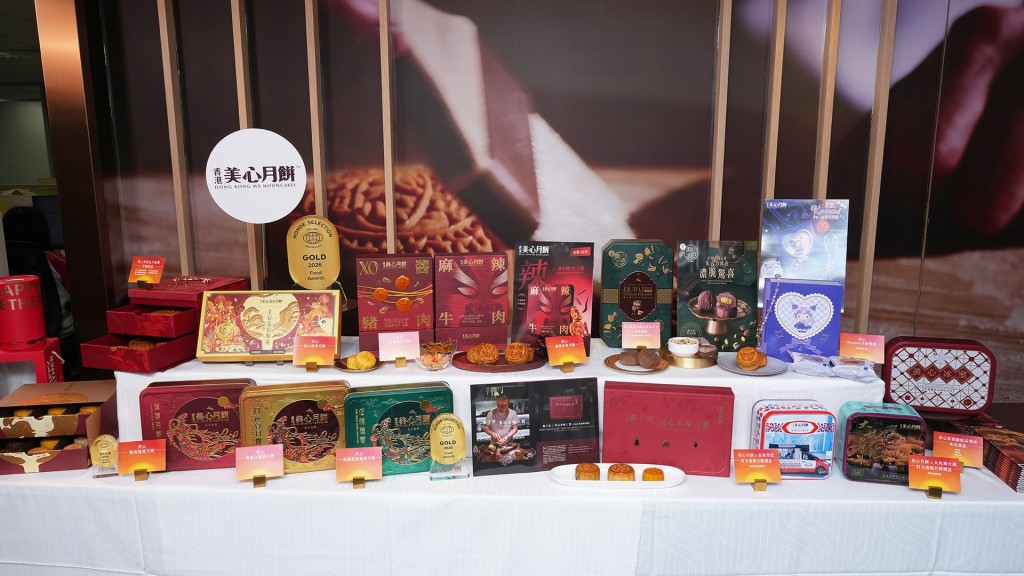
From traditional favorites to contemporary flavors and formats, Maxim’s offers a diverse mooncake collection designed for different generations, tastes and gifting occasions.
That shift is reshaping gifting too. A box of mooncakes is no longer simply a seasonal obligation; consumers increasingly want it to feel considered and personal.
Smaller households and more casual gifting occasions have created demand for a wider mix of pack sizes and formats, while corporate buyers are placing greater emphasis on presentation, convenience and the message a gift conveys to employees, clients and business partners.
For a heritage brand, the balancing act lies in creating something new without losing what made the ritual meaningful in the first place.
“We have always believed that innovation should enhance tradition, not replace it,” Chiu said, pointing to the enduring appeal of classic White Lotus Seed Paste Mooncakes even as flavors, packaging and festive experiences continue to evolve.
Hong Kong, meanwhile, remains a particularly demanding market, she said. Consumers expect craftsmanship and authenticity, but increasingly also want premium design and novelty.
Chiu sees the city as something of a trendsetter, with ideas that resonate here often influencing Chinese communities elsewhere in Asia and overseas.
Maxim’s is continuing its effort to balance heritage, quality and innovation as festive tastes evolve.
Beyond Hong Kong, the emotional pull of the mooncake can be even more pronounced.
Across Southeast Asia, North America and other cities with established Chinese communities, it can become a link to family memories and cultural identity. Younger members of the diaspora are also finding contemporary ways to reconnect with the festival, while curiosity among non-Chinese consumers is growing through travel, food culture and gifting.
For Chiu, that emotional connection explains why heritage continues to carry weight. “Consumers are not just buying a food item; they are buying trust, memory and meaning,” she said.
The idea of keeping tradition inclusive is also taking new forms. This year, Maxim’s introduced GentleMeal Mooncakes for seniors with specific eating needs, including those with swallowing difficulties, and is offering them to elderly centers at cost. Chiu said the initiative is as much about care and participation as product development.
Ultimately, the mooncake’s future may lie in precisely this tension between familiarity and reinvention. Its shape may remain recognizable, but the occasions, flavors and meanings surrounding it continue to expand—allowing each generation to make an old tradition feel like its own.