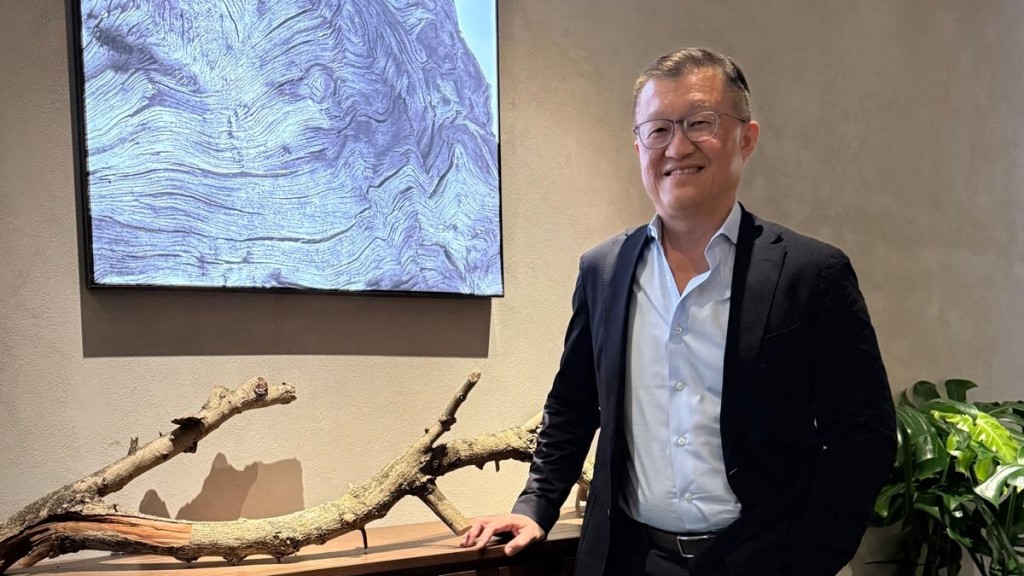
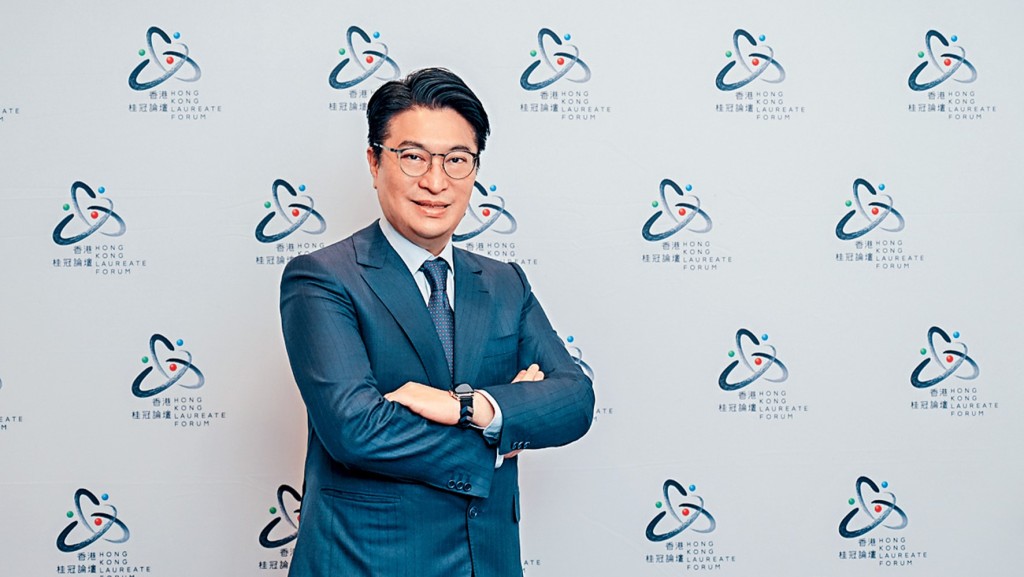
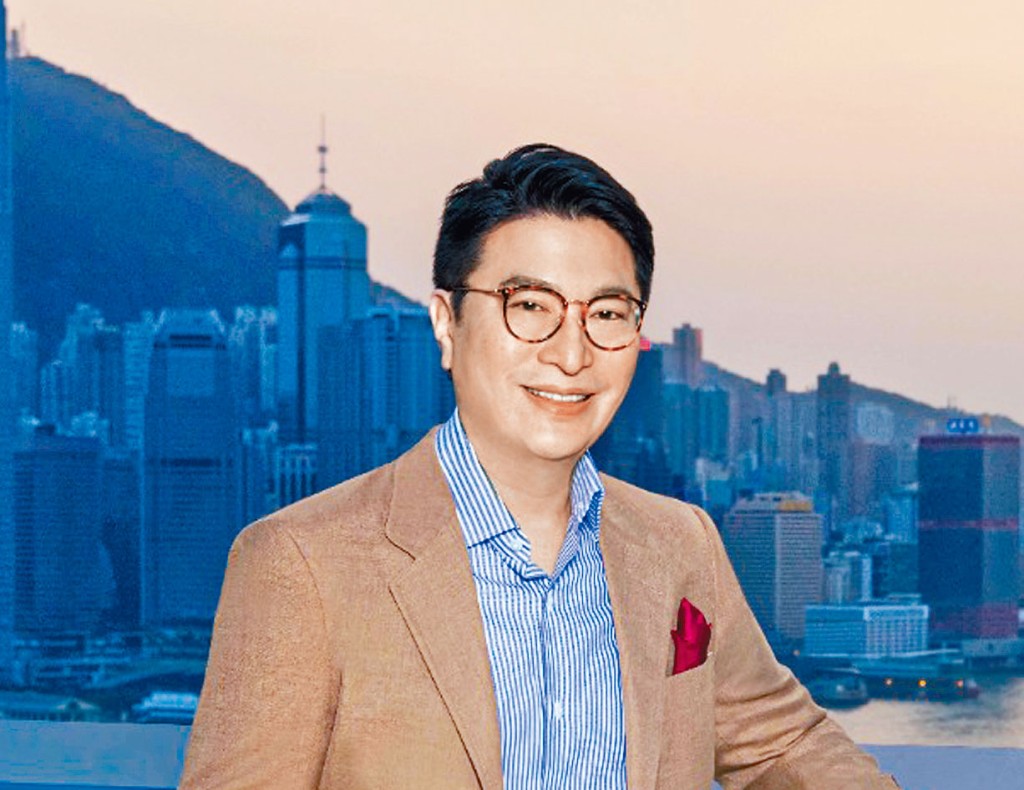
Hong Kong’s traditional Chinese restaurants are urgently in need of self-transformation to adapt to the city’s consumption pattern shift, according to Martin Lee Man-yin, Chief Operating Officer (Chinese & Western Restaurants) of Maxim's Group.
The city's food and beverage industry has faced continuous challenges in recent years amid society’s economic strain and a persisting northbound consumption lifestyle. Lee noted that since the border reopening, the Group has recorded a decline of about 7 to 8 percent in overall foot traffic, with the Chinese dining sector experiencing a relatively higher degree of impact.
However, the demand has not simply disappeared. Instead, the market is experiencing a structural shift in consumption patterns, with customers becoming increasingly price-sensitive and demanding better value for money.
"Consumers are still willing to spend, but they are paying much more attention to whether the product quality and dining experience align with the price," Lee said.
He emphasized that Hong Kong's Chinese catering must re-examine its market positioning, product design, and operational models to adapt to the new environment. The most difficult period for the industry may have passed, he noted, adding that the Group's goal for the next few years is to maintain stable and moderate growth.
With a comprehensive transformation strategy for its Chinese dining business, which currently comprises about 50 restaurants across Hong Kong, the group is focusing on reducing store sizes, moving away from the traditional large-scale banquet hall model, optimizing spatial use, and improving kitchen efficiency and staffing.
It is also updating the interior designs of its Chinese restaurants, tailoring menus to suit smaller parties of two to four diners, and enhancing overall value to boost consumer appeal.
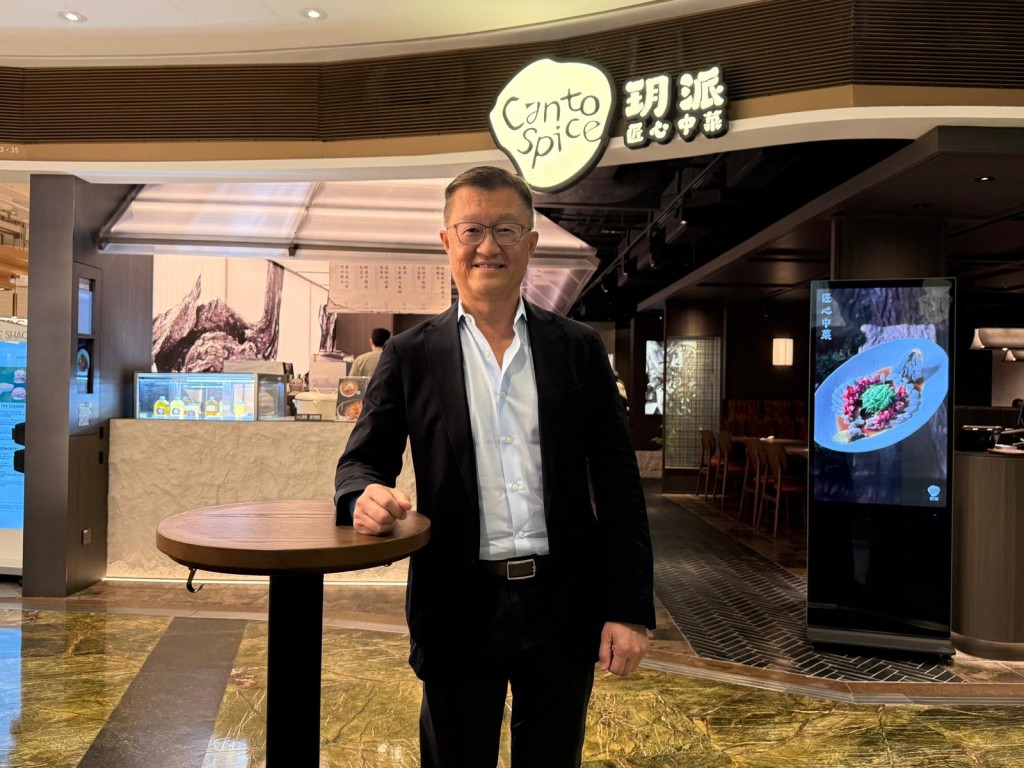
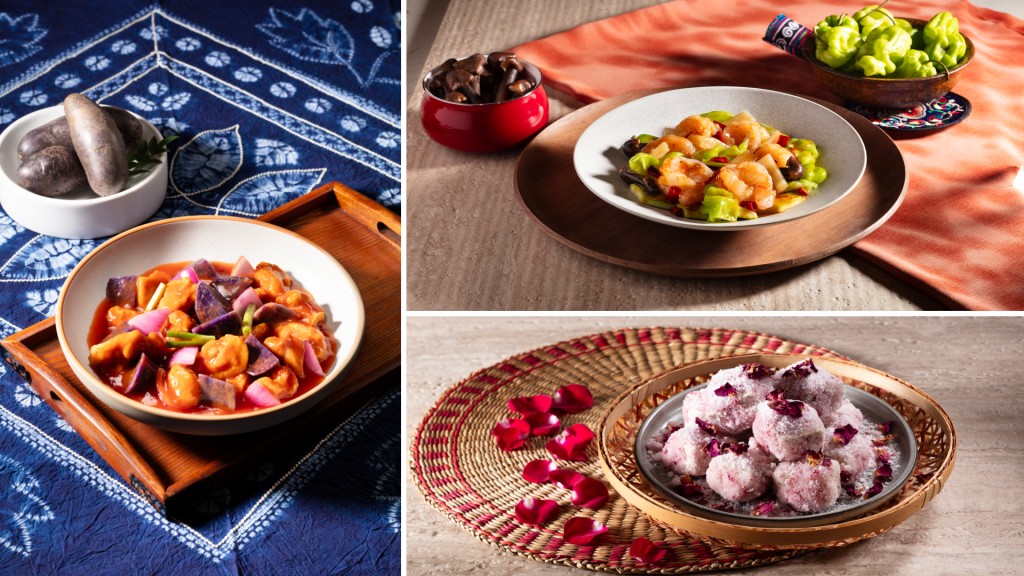
A prime example is “Canto Spice”, a rebranded and renovated concept born from the former "Jasmine," which targets a younger demographic with modernized decor, lighting, and tableware that sharply contrast with conventional Chinese banquet halls.
The menu was created around a concept that roughly 70 percent retains traditional Cantonese foundations and ingredients, while the remaining 30 percent incorporates spicy elements to cater to the palates of younger consumers.
Maxim's Palace adopts a different approach, mainly focusing on attracting families and parents with children by integrating new experiential elements, Lee added.
Furthermore, Lee addressed the recent influx of mainland Chinese dining brands into Hong Kong. He believes the brands are aiming to take advantage of the city as a springboard to expand into other international markets, such as Southeast Asia.
“If Hong Kong's F&B industry wants to attract tourists, it must rely on local characteristics, product differentiation, and unique experiences to build its appeal, rather than simply mimicking mainland market models,” he said.