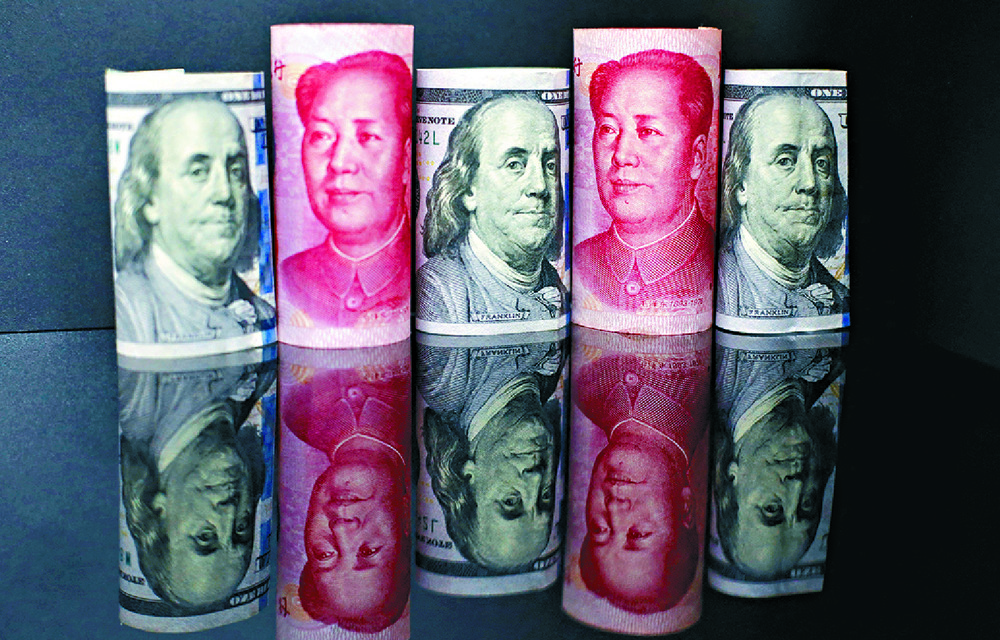
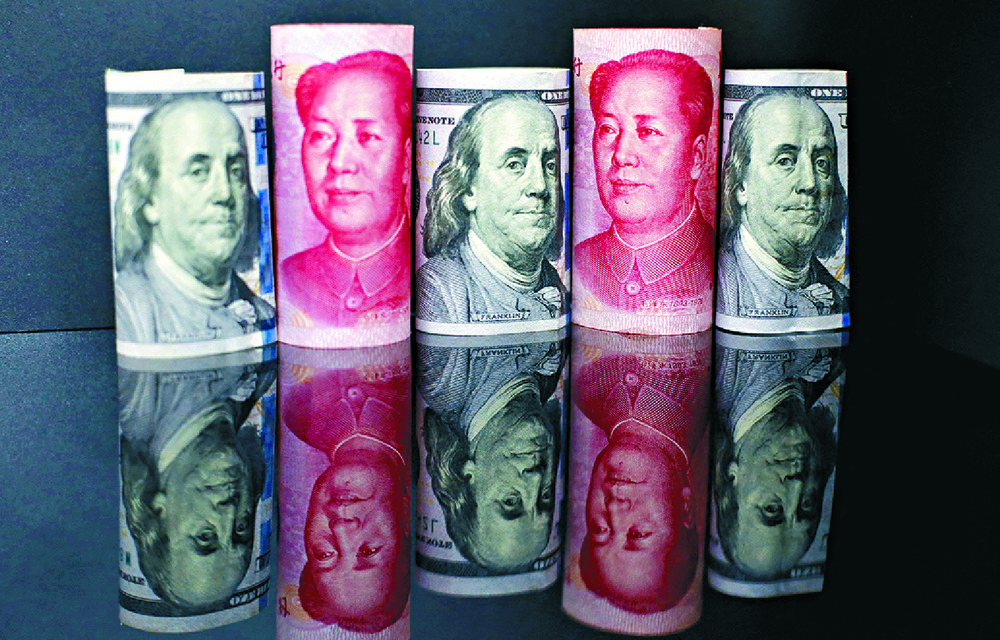
The onshore yuan dropped to a nearly 16-year low against the US dollar yesterday, as pessimism grew toward China's economy and financial markets.
Foreign currency reserves and exports also dropped.
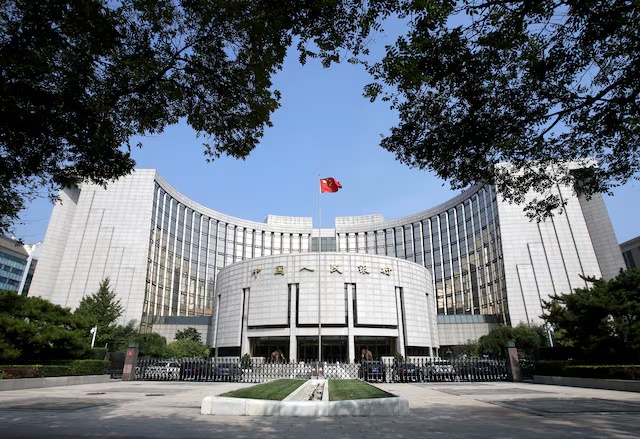
The currency slid by 195 basis points to 7.3294 per US dollar, the lowest since December 2007, even after the People's Bank of China set its daily reference rate at a stronger-than-expected level for a 54th straight day and asked state-owned banks to sell US dollars while tightening liquidity offshore to squeeze short bets.
"The yuan will likely remain under significant pressure before economic growth finds a floor and the PBOC will continue to defend the yuan," said a China economist. "However, the PBOC's objective is likely to slow yuan depreciation, rather than defending an absolute level."
This came as data from the PBOC showed China's total foreign currency reserves dropped by the most in six months of nearly US$44.2 billion (HK$344.8 billion) - or 1.38 percent - to US$3.16 trillion as of the end of last month.
It added to its gold reserves for the 10th straight month in August. Bullion held by the central bank rose by 930,000 troy ounces to 2,165 tons, with around 217 tons added in a run of purchases that began in November.
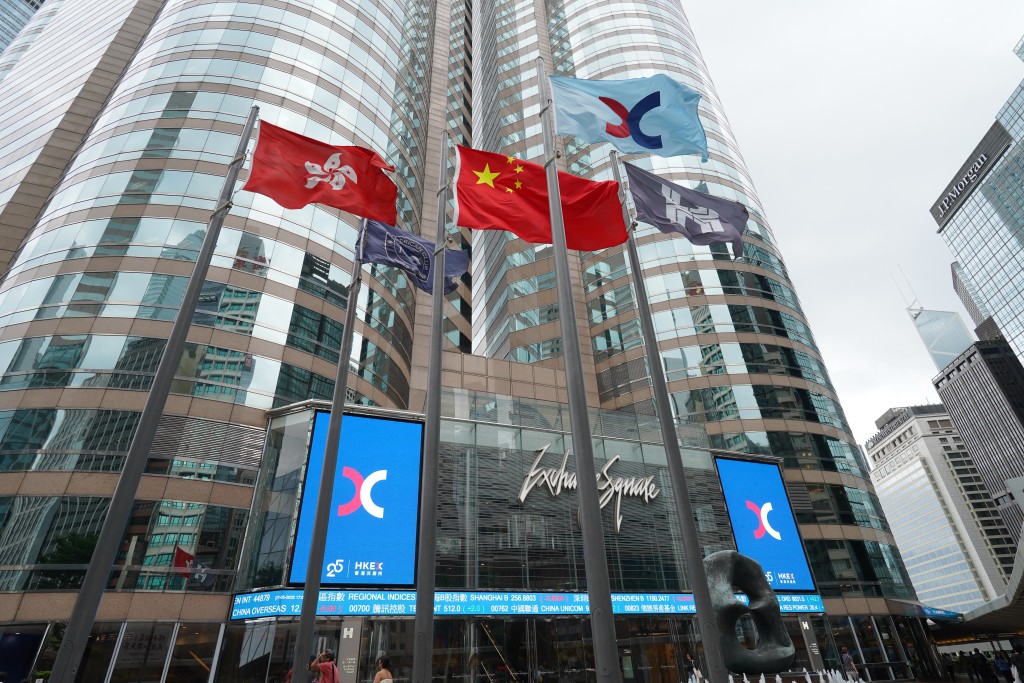
Hong Kong's foreign currency reserve also fell by US$3.2 billion to US$418.4 billion.
Meanwhile, China's overseas shipments fell 8.8 percent in US dollar terms from a year earlier while imports contracted 7.3 percent, both better than estimates and significantly less severe than July's downturn. The trade surplus was US$68 billion for the month.
"The overall momentum remains lukewarm," said Zhou Hao, chief economist at Guotai Junan International (1788). "The figures suggest the headwinds remain despite some marginal improvement."
Separately, Norway's US$1.4 trillion sovereign wealth fund has started winding down its office in Shanghai as Singapore takes over as its hub in Asia. The move is due to "operational considerations" and does not affect the investment strategy in China, it said.
In other news, the US and European Union are said to be working on an agreement that would introduce new tariffs aimed at excess steel production from China and other countries. The agreement is also expected to provide a framework for other nations to join in the future.
The yuan is expected to remain under significant pressure. Reuters