Read More






China to tighten oversight of private investment funds
05-06-2026 22:36 HKT
China banks raise dollar deposit rates amid yuan strength, sources say
05-06-2026 21:54 HKT

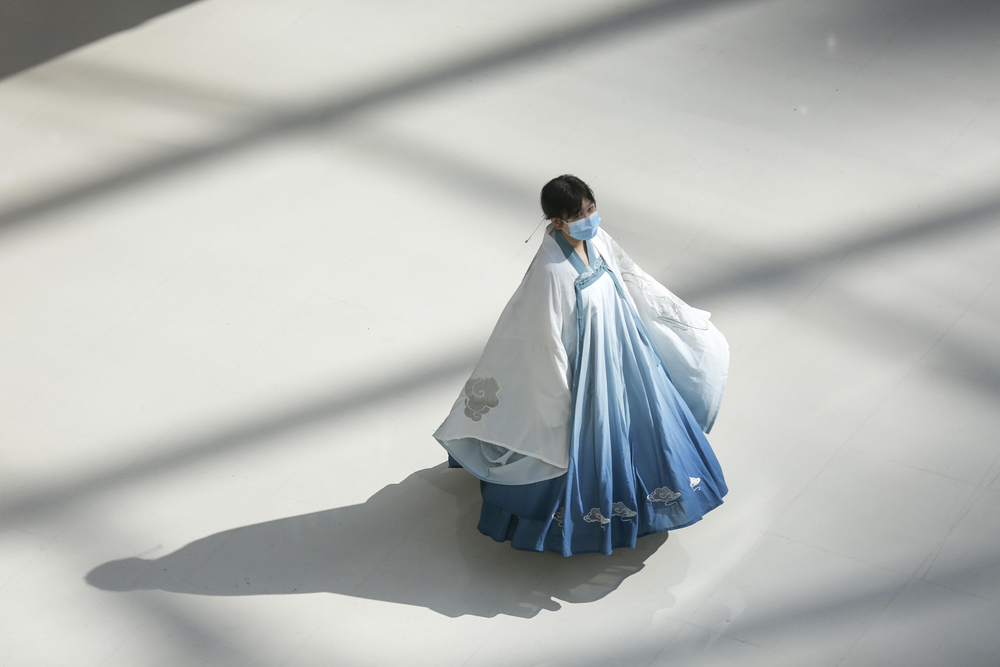
Over the last few years, trendy young Chinese shoppers have resurrected a fashion style that's as old as the hills, with investors pouring cash into the multi-billion-yuan hanfu market as the infatuation spreads across the world.
Worn by the ethnic Han Chinese for more than 3,000 years, hanfu fell out of favor after the Qing rulers came to power in the 17th century and remained in the shadows until China's Generation Z and millennials fell in love with the sartorial ensemble which has now cemented its place as one of China's national costumes.
Now, with more and more merchants entering the hanfu market, costume prices on average have dropped from about 500 yuan (HK$586) several years ago to a more affordable level of less than 200 yuan.
Over the last decade or so, China's female teenyboppers have owned the hanfu market, dressing up with delicate headdresses and special costumes in the style of ancient dynasties such as the Tang, Song and Ming.
But today, one in two shoppers are interested in hanfu clothes, and one in three buyers are men, according to iiMedia Research.
The love of hanfu fashion has also been growing overseas.
New Hanfu, an English e-commerce platform specializing in traditional clothing, prices all its costumes in US dollars and supports foreign payment methods such as PayPal, MasterCard and Visa.
It also has blogs about traditional and historic clothing and organizes an online social community for lovers of these robes.
Hanfu made it to the covers of Harper's Bazaar, the world's leading fashion magazine, which published a series of photo shoots last year, and was also seen on the catwalk during Paris Fashion Week a few years ago.
Earlier this year, Alibaba's (9988) e-commerce platform Taobao listed hanfu as one of its top 10 goods for the Spring Festival among overseas consumers, alongside mahjong tables and China-made mobile phones.
COLLABORATIONS GALORE
Meanwhile, leading hanfu manufacturer Shisanyu has seen its fortunes grow.
In 2020, it was ranked among the top 10 homegrown exporters on Taobao's sister platform Tmall, with exports rising 158 percent year on year.
Founded by an internet influencer on Chinese video platform Bilibili (9626), Shisanyu has made it big through collaborations with gaming firms, comics, TV series producers and museums, and has designed special costumes based on online games from NetEase (9999) and Tencent (0700), as well as for Disney.
The clothing producer introduced a hanfu set named after Yao, a popular female heroine in Tencent's Honor of Kings game, faithfully recreating the way she looks, and the collaboration with the tech giant made the costume a best-seller with more than 28,000 sets sold in one quarter alone.
In April, Shisanyu launched a line of co-branded hanfu with China Aerospace Science and Cultural Innovation, incorporating space themes such as Tianwen, China's first spacecraft to Mars, and Zhuron, the Mars rover, into the line of costumes.
Last year, Shisanyu completed a financing round of over 100 million yuan from investors including private equity firm Loyal Valley Capital, video-sharing platform Bilibili, and Hong Kong's pop toy brand Pop Mart (9992).
Hanfu maker Chonghui Hantang, which provides apparel and accessories for Chinese traditional programs co-produced by CCTV's new media platform and China Global Television Network, received tens of millions of yuan in 2020 from investors that included Shaanxi Culture Industry Investment.
Chonghui Hantang too has produced special costumes in cooperation with several online gaming firms and popular TV series producers and has also joined hands with mainland cosmetic brand Catkin.
The manufacturer keeps an open mind about partnerships, with its co-founder saying it "can also work with coffee brands."
The tiny county of Caoxian in Shandong province has the largest number of costume manufacturers in the mainland and accounts for a third of all hanfu sales in China.
Caoxian's rapid growth as a hanfu hub has also made it the second largest village cluster on Taobao, with more than 18,000 stores on the platform, with 20 percent of its residents engaged in e-commerce business.
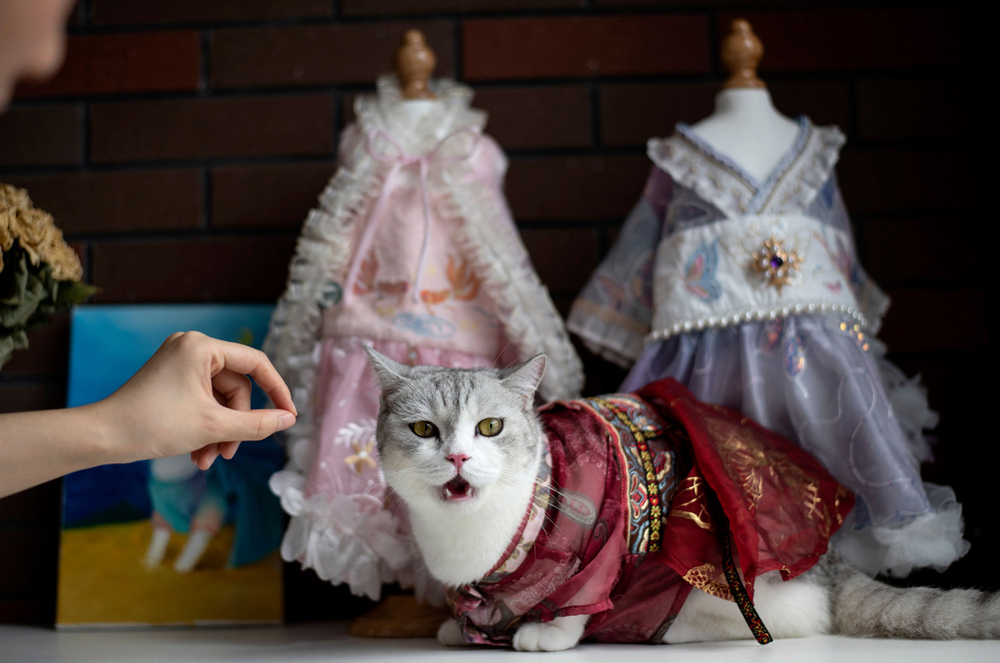
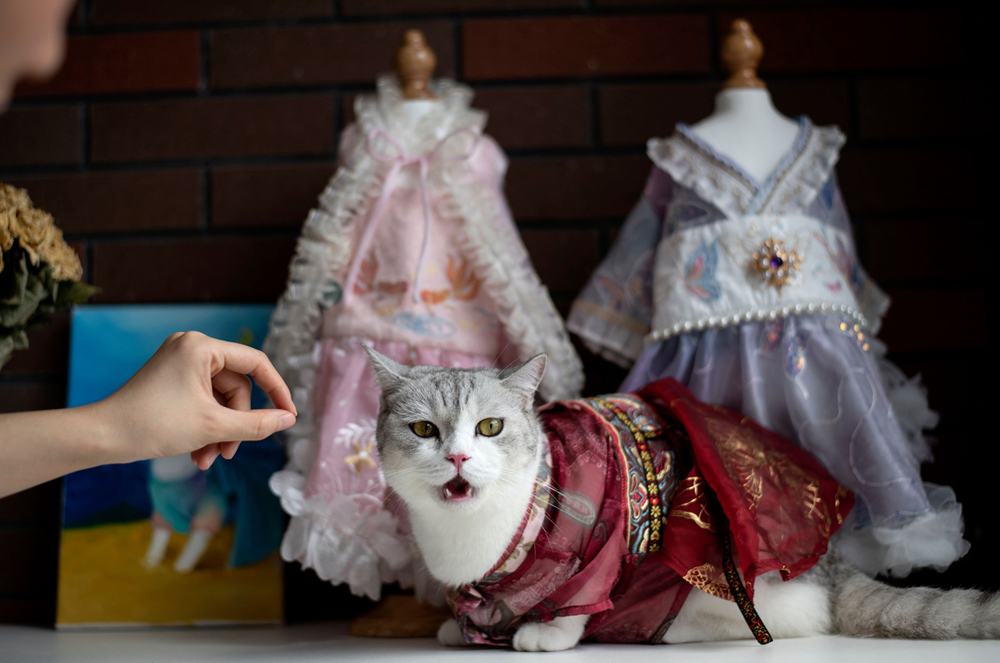
Meanwhile, savvy entrepreneurs like Wu Qiuqiao have found there is also a hanfu market for pets. The Hunan-based designer set up her store on Taobao in 2019 selling specially designed hanfu costumes for pets and in a couple of years her store had won over 16,000 followers, with the highest monthly sales topping 70,000 yuan, according to reports.
While hanfu is enjoying a cultural revival among the young and old, Gen Zers and millennials continue to be the driving force behind the hanfu movement.
social overdrive
Seventy-one percent of Hanfu customers are aged between 19 to 25 with the trend a hot favorite on social media , according to iiMediaResearch.
Videos tagged as hanfu on Tiktok's Chinese version Douyin have been played about 70 billion times, and there are more than 200,000 posts about hanfu on Instagram, according to the consultancy.
Overall, the hanfu market has grown exponentially and the projections are equally optimistic.
iiMedia Research reports that sales have jumped from a mere 190 million yuan in 2015 to 6.36 billion yuan in 2020 and an estimated 10.1 billion yuan last year.
Meanwhile, Jing Daily, a leading digital publication on luxury consumer trends in China, expects the mainland's hanfu market to be worth 12.54 billion yuan in 2022 and to continue to swell to an impressive 19.11 billion yuan by 2025, adding that the clothing style has now "passed enough temporal (and financial) milestones to graduate from an ephemeral trend to a lasting subculture."