Read More






Japan stroll to victory over Tunisia in World Cup's 1,000th game
21-06-2026 14:36 HKT


HK's transport system enters a new phase
19 hours ago


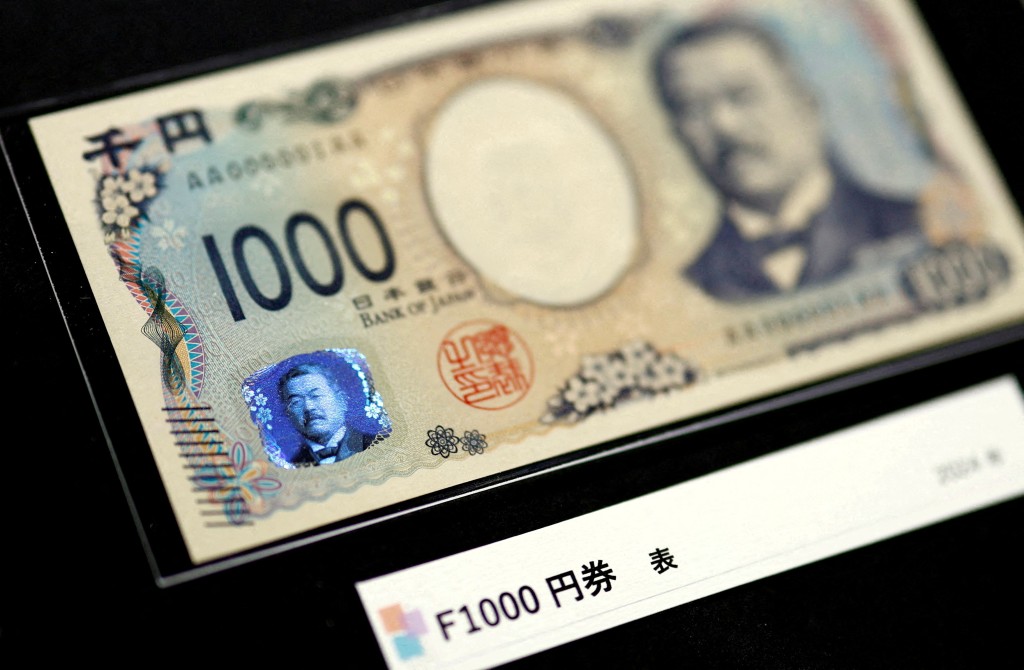
Japanese financial authorities kept markets guessing over possible intervention to support the embattled yen, with Finance Minister Satsuki Katayama reiterating that Tokyo "will respond appropriately to currency moves at any time."
Katayama's remarks came as the yen hovered near a four-decade low in early trade, weakening to 161.50 per dollar.
Two government sources said a warning issued on April 30 by top currency diplomat Atsushi Mimura still stands, underscoring the risk of sudden intervention without the overt signalling seen in the past.
Mimura has stayed publicly silent since early May, shortly after Japan sold dollars in the market to prop up the yen for the first time in nearly two years. Hours before that move, he said "the time for decisive action is approaching".
Analysts say the government may be deliberately changing its communication approach after careful, well-telegraphed messaging ahead of the last intervention in April allowed speculators to unwind short yen positions in advance, blunting the impact of the move.
A shift in expectations toward US rate hikes, along with renewed Middle East uncertainly pushing up oil prices, has reinforced dollar strength and made it harder for investors to cut dollar-long positions right now in the absence of an imminent intervention threat, Yuji Saito, executive advisor at SBI FX Trade, said.
"That could ultimately increase the impact of any intervention, as authorities would be acting while positions remain stretched," he said.
The yen JPY= weakened as far as 161.8 per dollar last week, its lowest since July 2024, wiping out the gains made after the round of interventions from April 30, as a hawkish tilt by the Federal Reserve has led traders to ramp up bets on rate increases this year.
A break above the currency pair's 2024 high of 161.96 would send the yen to its weakest level since 1986.
Tokyo spent a record 11.7 trillion yen (US$72.44 billion)intervening in foreign exchange markets between late April and early May.
A persistently weak yen is lifting import costs and stoking price pressures, while the Middle East-driven energy shock has pushed fuel prices higher, prompting the BOJ to warn it risks falling behind the curve on inflation.
Bank of Japan Deputy Governor Ryozo Himino told parliament on Monday that inflation could overshoot the bank's 2 percent target, again flagging the cost of being too late in raising interest rates.
"In the current environment, where underlying inflation risks exceeding the 2 percent target, delaying necessary adjustments to monetary easing could see those risks materialise and ultimately weigh on the economy," he said.
Reuters