
Read More
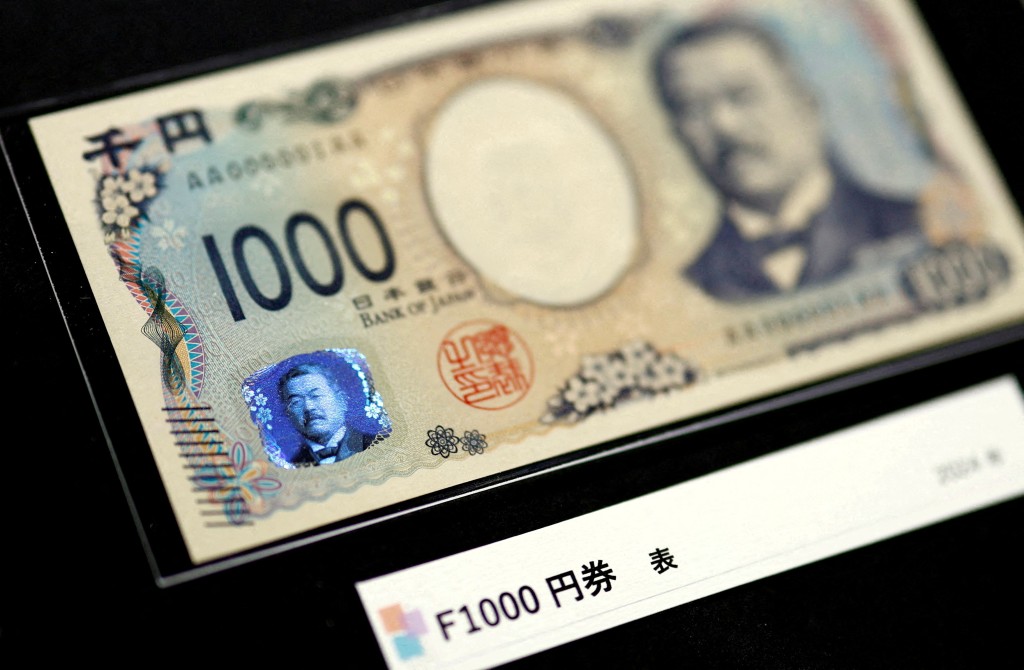
The Japanese yen tested the 160 barrier on Friday, drawing sharp pushback from officials, while the US dollar was on track for a weekly gain as tensions in the Middle East fuelled safe-haven flows.
ADVERTISEMENT
SCROLL TO CONTINUE WITH CONTENT
The yen JPY= weakened to the critical 160-per-dollar mark briefly in early trading, hitting the level for the third straight session despite verbal warnings from authorities. The 160 threshold is widely seen as a line in the sand for potential intervention by authorities in Tokyo.
That has prompted fresh warnings, with Finance Minister Satsuki Katayama saying Japan is ready to respond at any time on the foreign exchange front and reserving the right to take "decisive action" against excessive volatility.
The yen is now set for its fourth straight week of declines, a streak not seen since February, mostly wiping out the gains driven by intervention over the past month at a cost of US$73 billion. It was last trading at 159.95 per dollar.
"Markets are probably a bit reluctant to try to test the BOJ too much" ahead of the US nonfarm payrolls report later Friday, as authorities have shown fresh willingness to intervene, said Khoon Goh, head of Asia research at ANZ.
He said markets need a clear catalyst to push the dollar stronger before attempting to breach the 160 level again, adding that an expected Bank of Japan rate hike at its June meeting should help ease some pressure.
Japan's real wages climbed 1.9 percent in April from a year earlier, government data showed on Friday, marking a fourth consecutive monthly gain. The BOJ, which will next review its interest rates on June 15 and 16, considers steady rises in wages and prices as essential conditions for further rate rises.
The BOJ is expected to raise interest rates unless a sharp escalation in the US-Israeli war on Iran upends markets, as rising fuel costs from the energy shock would add to mounting price pressures in the economy, sources told Reuters.
GULF HOSTILITIES SUPPORT DOLLAR DEMAND
US President Donald Trump's efforts to halt fighting in the Middle East and forge peace with Tehran are facing fresh obstacles, after the Iran-backed Hezbollah militia rejected a new ceasefire in Lebanon on Thursday while Israel said it would not withdraw troops from the country.
A flare-up in hostilities this week, including exchanges between Iranian and US forces, has pushed Brent futures firmly above US$90 LCOc1 for a weekly gain and supported the dollar on safe-haven flows.
The euro stood at US$1.1616EUR=, up 0.05 percent so far in Asia, and sterling was steady at US$1.34275 GBP=D3. Both are heading for small weekly losses.
The risk-sensitive Australian dollar AUD=D3 was down 0.1 percent at US$0.71275 and the New Zealand dollar NZD=D3was flat at US$0.5866 with a 2 percent weekly advance.
The dollar index =USD, which measures the greenback against a basket of currencies including the yen and the euro, was little changed at 99.412, on track for a 0.5 percent gain for the week.
On the data front, markets are keenly awaiting US nonfarm payrolls, due for release later in the global day. A Reuters survey of economists predicted an 85,000 rise in jobs in May, slower than an increase of 115,000 in April. The unemployment rate is expected to remain unchanged at 4.3 percent. USNFAR=ECI
Reuters