Samsung Electronics on Friday said it has started shipping samples of its latest high-bandwidth memory (HBM) chip to customers, pulling ahead of rivals in distributing a new version critical to AI data centers and sending its shares higher.
The South Korean tech giant said the new 12-layer HBM4E chip is more than 20 percent faster than its previous-generation HBM4 products.
Samsung said the chip uses its latest 1c DRAM process technology — sixth-generation, 10-nanometer-class DRAM — along with Samsung’s 4-nanometer foundry logic base die.
The rollout is part of Samsung’s efforts to regain momentum in the HBM market after falling behind rivals SK Hynix and Micron in supplying advanced artificial intelligence memory chips, particularly to Nvidia.
The move comes just three months after Samsung began shipping its HBM4 chips in February, highlighting the company’s accelerated push to strengthen its position in the next-generation AI memory market.
Samsung’s major customers include AMD, Nvidia and Google, among others, as demand surges for advanced memory chips used in AI servers and processors.
EARLY MOVER ADVANTAGE
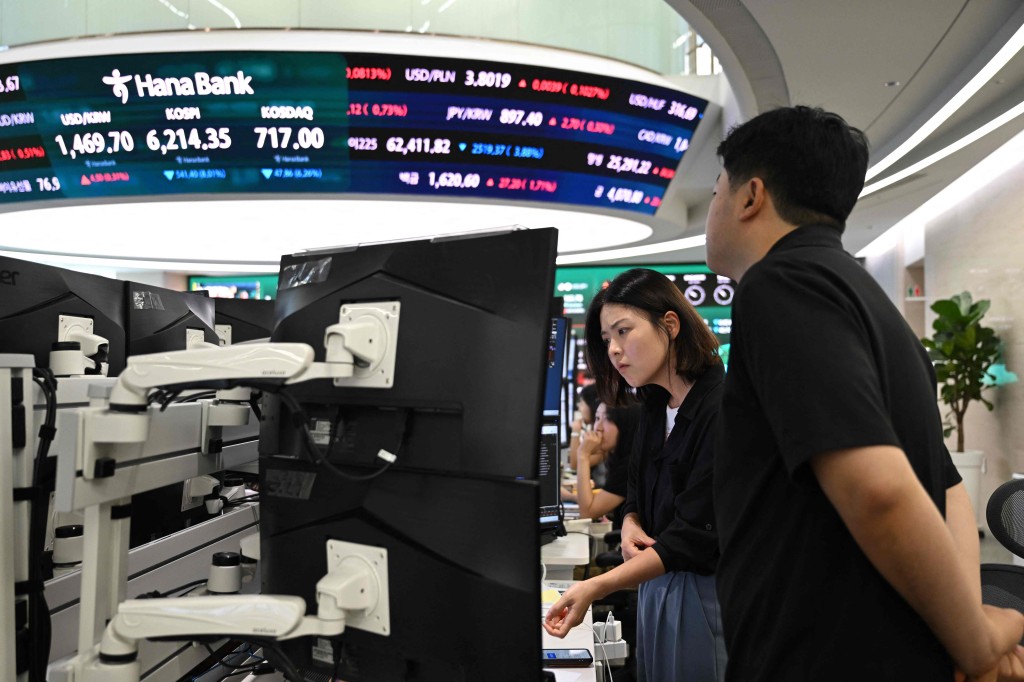
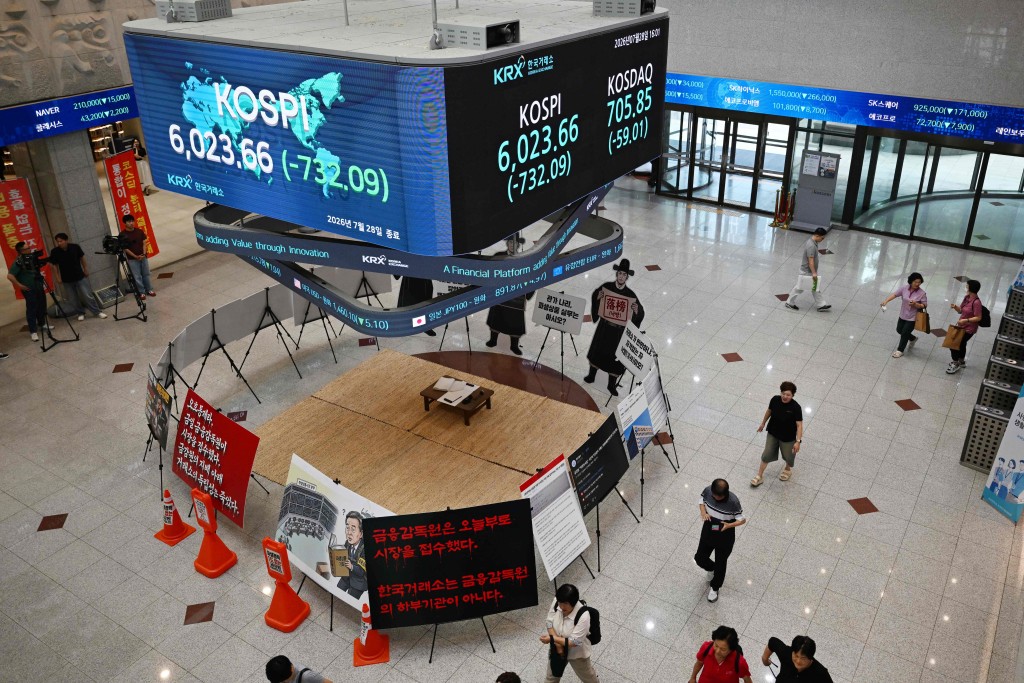
Shares of Samsung Electronics rose as much as 6.5 percent in morning trading, outperforming the benchmark KOSPI, which rose 2.3 percent. Shares of SK Hynix were up 1.2 percent.
Analysts said the gains reflected optimism over Samsung’s AI chip business outlook, especially after Anthropic named Samsung a strategic infrastructure partner in its latest funding round.
Anthropic raised funding at a post-money valuation of US$965 billion, naming Samsung, Micron and SK Hynix as key partners in memory, storage and logic chips. Samsung was the only one specifically highlighted for its logic chip capabilities.
“In the HBM market, early movers tend to secure the bulk of orders, so gaining market share in the initial stages is critical,” said Jeff Kim, head of research at KB Securities-Jefferies.
Kim noted that Samsung had entered the HBM3 and HBM3E markets later than rivals, which limited the volume of orders it secured. However, successful qualification of HBM4E could shift the competitive landscape in Samsung’s favour, given its large manufacturing capacity.
According to Counterpoint Research, SK Hynix led the global HBM market with a 57 percent share in the fourth quarter of 2025, followed by Samsung at 22 percent and Micron at 21 percent.
Kim added that Samsung could also benefit in the foundry business, as TSMC’s advanced-node capacity is expected to remain fully booked for the next several years.
Reuters