Read More






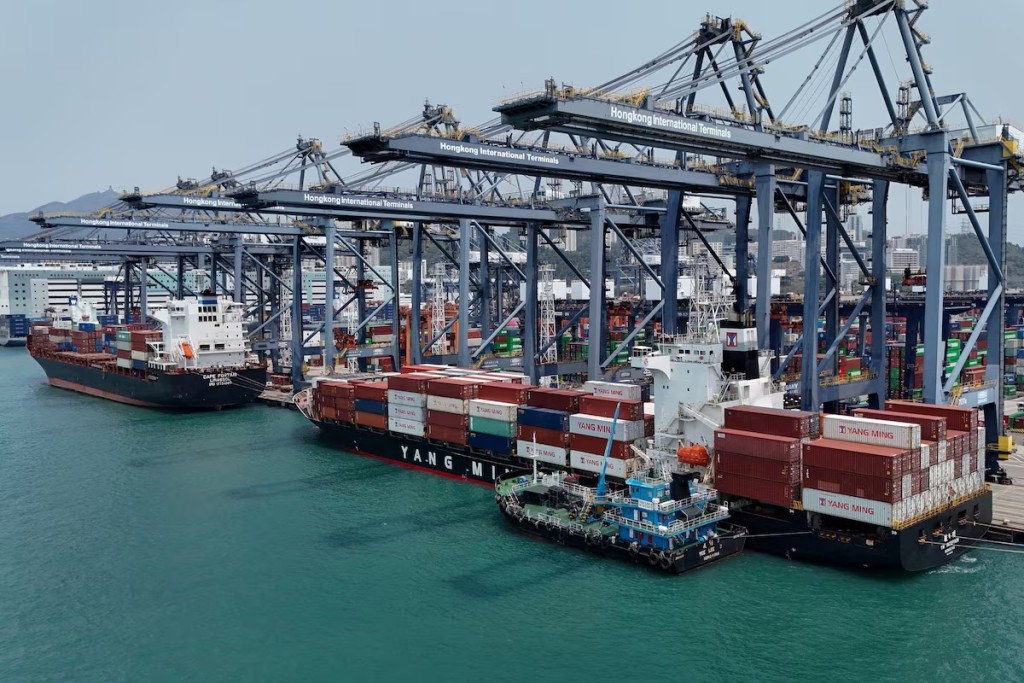
Hong Kong manufacturers are rushing to maximize exports to hedge against US President Donald Trump’s potential July tariff hike and rising energy costs stemming from the Middle East war, a move described by one business leader as “crossing the river by feeling the stones.”
“We are reactive, not proactive. We have no choice. We just have to be flexible and deploy accordingly,” said Anthony Lam Sai-ho, chairman of the Federation of Hong Kong Industries, in an exclusive interview.
US Treasury Secretary Scott Bessent said on April 15 that the president may restore tariffs by July to the level in place before the US Supreme Court struck down many of his levies.
Anthony Lam said the uncertainties and fluctuations surrounding tariffs, the Middle East war, the Strait of Hormuz blockade, and fuel prices are “more dramatic than any TV drama.” Sectors such as electronics, toys, watches, and jewelry can only respond with cautious and reactive measures, aiming to meet customer needs by increasing export volumes and shipping goods that could last through December.
But their efforts are fundamentally limited by production capacity, Anthony Lam said, asking rhetorically whether a factory that normally sells 10 tons could suddenly produce 60 tons to front-load six months of shipments, even if it ran 24 hours a day with enough staff.
He added that manufacturers are absorbing higher logistics and production costs themselves – noting that diesel prices now exceed petrol prices in Hong Kong – together with increased delivery and trucking costs.
High oil prices have also raised long-haul freight rates by 50 percent or doubled them, and affected petroleum by-product and energy-intensive sectors, added Wingco Lo Kam-wing, president of the Chinese Manufacturers' Association of Hong Kong.
Veteran industrialist and executive council member Jeffrey Lam Kin-fung warned that rising costs can turn profitable orders into losses, as US and European buyers – the most dominant buyers – typically respond to tariff threats and cost increases by demanding price cuts from manufacturers. This dynamic means that even when a manufacturer secures an order, the buyer may later pressure them to lower the price, eroding or eliminating any expected profit margin.
But the rush to export represents only part of the industry, he added, citing that mass exporting is risky because it involves gambling. Jeffrey Lam said business should be based on prudence, not speculation.
He pointed out that fuel prices and supply chain costs are volatile – if exporters rush to produce based on a tariff threat, but the Middle East conflict is resolved and prices drop, businesses will be left with expensive inventory that buyers refuse to pay a premium for.
Lo said it is difficult to predict export volumes, as they depend on buyers’ domestic demand, inventory levels, and other political factors. He urged diversifying the supply chain into Asean countries by exploring new markets beyond the US and Europe, and strengthening Hong Kong’s value-adder role as an international supply chain management center.
Though some manufacturers have expanded their supply chains in Asean countries – such as Vietnam, Thailand, as well as India – through the China Plus N strategy over the past decade, Lo and several CMA members revealed that some manufacturers who previously shifted production to Southeast Asia or Africa are now moving it back to China, given soaring shipping costs, lower Chinese tariff rates, and China's overall production efficiency which are tilting the balance back toward the mainland in certain sectors.
Jeffrey Lam added that the rush to countries such as Vietnam has backfired in many cases, as the perceived cost advantage has disappeared due to lower efficiency, logistical problems, and immature production chains.
Beyond trade wars, Anthony Lam pointed to a deeper, more structural threat – the ripple effects of Middle East instability and rising oil prices. He said higher oil prices drive up logistics and electricity costs, which then cause the price of urea – a key fertilizer – to surge by as much as 70 percent.
This leads to lower crop yields and more expensive animal feed, ultimately raising meat and restaurant prices. He warned that global inflationary pressures would intensify significantly in the third and fourth quarters of the year.
The immediate question facing Hong Kong manufacturers, however, is whether the strong first-quarter momentum can be sustained. Exports surged 32 percent year on year in the first quarter to HK$1.55 trillion.
But analysts from the Hong Kong Trade Development Council warn of headwinds ahead, as geopolitical developments and cost pressures could bring potential volatility risks in the coming quarters.