






Read More

Hang Seng Index dips on Wednesday
26 mins ago




Euro sinks to 17-month low as French fiscal woes spur contagion fears
05-10-2026 14:53 HKT


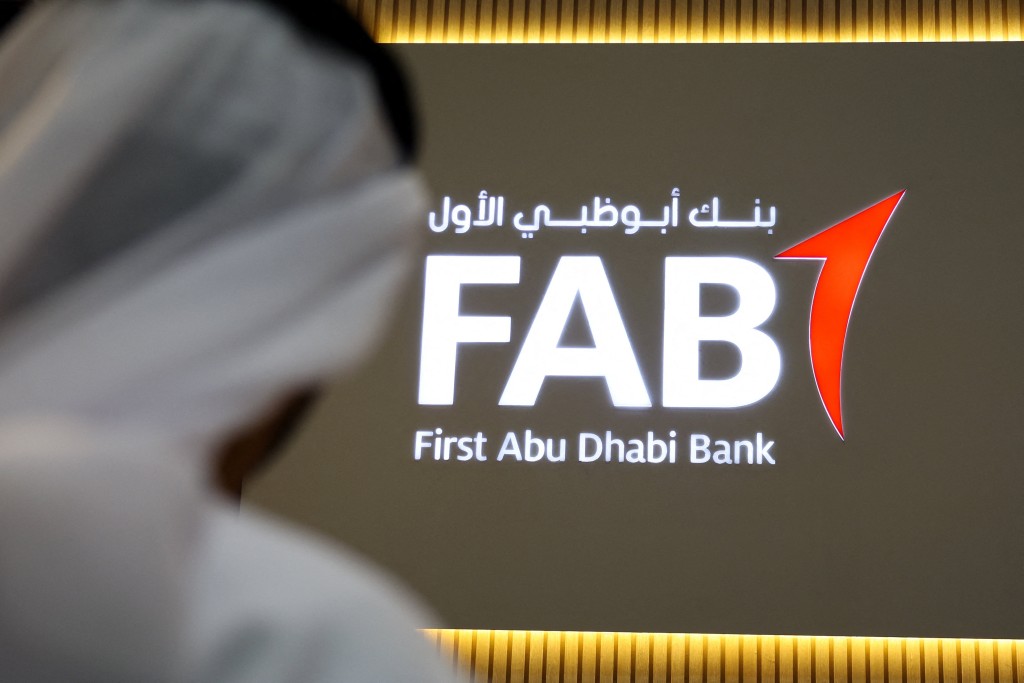
The UAE's top lender and two other Middle Eastern banks are launching or expanding operations in Hong Kong as they target better China connectivity and foreign business growth amid uncertainty in the domestic economic outlook.
First Abu Dhabi Bank, the No.1 lender by assets in the United Arab Emirates, plans to roughly double its office space in Hong Kong, said two sources familiar with the matter.
Mashreq Bank, the UAE's fifth-largest, will relocate staff to a new office in the central business district in the third quarter, it said in a statement.
The growing presence of Middle Eastern financial institutions in Hong Kong comes against the backdrop of the U.S.-Israeli war on Iran, which has put Gulf countries centre stage by disrupting their oil supplies.
Financial industry sources said the Middle Eastern banks' moves were tied to their efforts to internationalise and strengthen links with China, as cross-border trade and investment between the two regions remain strong.
"Our growth in Hong Kong is firmly anchored in our ability to provide banking solutions facilitating the increasing trade and investment flows between Greater China and MENA," said Chermaine Lai, country head at Mashreq Bank Hong Kong.
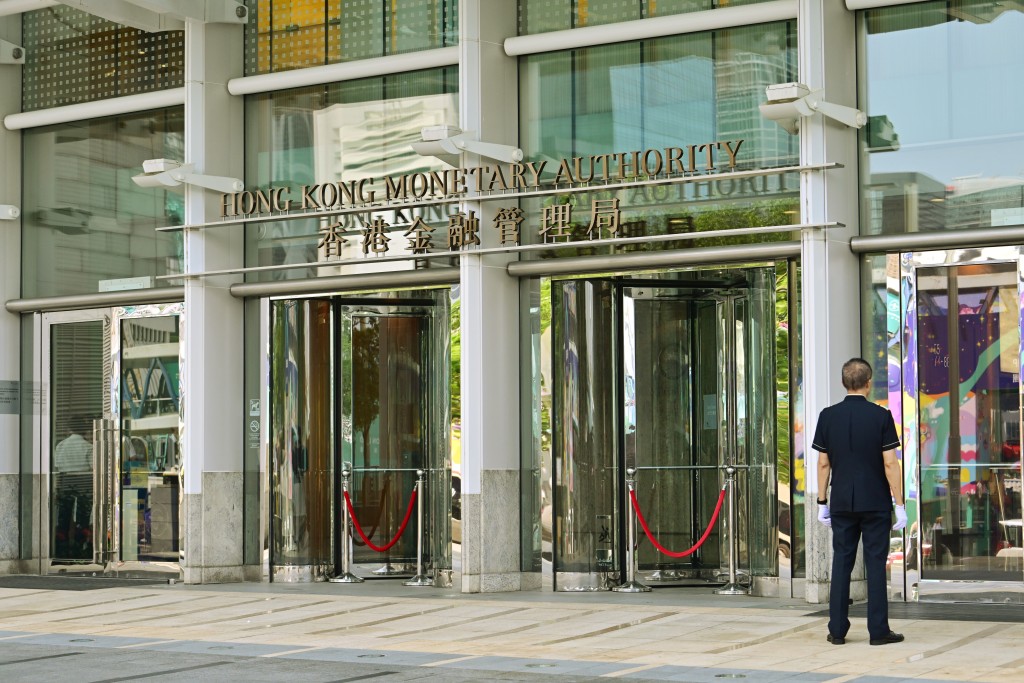
Oman's Sohar International Bank announced in April it has received approval from the Hong Kong Monetary Authority (HKMA) to establish a representative office, marking its foray into an international market for the first time.
First Abu Dhabi Bank and Sohar International did not respond to Reuters requests for comment. The sources spoke on the condition of anonymity as they were not authorised to speak to the media.
Mashreq, whose new office is double the size of its current premises, said the bank sees Hong Kong as a "significant offshore hub for China-related financing activity".
Sohar International expects to kick off its business in the city in the second half, according to a person with direct knowledge of the matter.
The three banks will operate from Cheung Kong Center II, an office tower in Central, the sources said.
GATEWAY TO CHINA
Sam Gourlay, property consultancy JLL's head of office leasing advisory in Hong Kong, said the recent Middle East conflict may have, in some cases, prompted banks to fast-track their strategic investment plans in the city.
Hong Kong serves as a gateway for moving capital from and into China, the world's second-largest economy. Most global banks have their regional hubs in the city, which offers a wide range of services from corporate banking to wealth management.
The HKMA has been actively promoting Hong Kong's financial system and market advantages to Middle Eastern countries over the past few years, including via bilateral meetings with central banks in the Middle East, a spokesperson said.
Gulf lenders have been expanding outside their home markets in recent years as they look to tap new markets and boost trade and investment by opening commercial branches or through mergers.
India's central bank last month approved Emirates NBD Bank's proposal to acquire a majority stake in RBL Bank.
The banking services offered by First Abu Dhabi Bank, Mashreq Bank and Sohar International include corporate and investment banking, trade finance, transaction banking, treasury services, and wealth management.
First Abu Dhabi Bank has offices in Hong Kong, Shanghai, and Singapore. Last year it joined China's Cross-Border Interbank Payment System (CIPS) as a direct participant amid strengthening ties between the UAE and China.
Mashreq has also been growing in Asia, particularly in India and Pakistan, where its digital bank Mashreq NEO became fully operational late last year. Sohar maintains a more limited international footprint.
Five Middle Eastern lenders currently have a banking presence in Hong Kong, out of about 200 banks registered with the HKMA.
Sohar International said in a LinkedIn post last month that opening a Hong Kong office reflects the bank's "endeavors to internationalise its business" and will support its clients who do business in the wider Asian market.
Reuters