US retail sales increased more than expected in March as the war with Iran boosted gasoline prices and led to a record surge in receipts at service stations, while tax refunds underpinned spending elsewhere.
Though higher prices partly accounted for the largest gain in sales in a year, the report from the Commerce Department on Tuesday supported economists' expectations that economic growth picked up in the first quarter after nearly stalling in the final three months of 2025. But the US-Israel war with Iran is casting a shadow over the economic outlook.
"The upshot is that households remain resilient for now, potentially leaning on tax refunds and broader savings to keep on spending in the face of the latest price squeeze," said James McCann, senior economist for investment strategy at Edward Jones.
Retail sales jumped 1.7 percent last month, the largest rise since March 2025, after an upwardly revised 0.7 percent gain in February, the Commerce Department's Census Bureau said. Economists polled by Reuters had forecast retail sales, which are mostly goods and are not adjusted for inflation, would advance 1.4 percent after a previously reported 0.6 percent increase in February. Estimates ranged from as high as a 2.0 percent increase to as low as a 0.4 percent gain.
Sales advanced 4.0 percent on a year-over-year basis in March. The Census Bureau has now caught up on releasing monthly retail sales data after delays caused by last year's government shutdown. The retail sales report for April will be released on time next month.
The Middle East conflict has sent global oil prices jumping more than 30 percent, with data from the US Energy Information Administration showing retail gasoline prices soared 24.1 percent in March. The government reported last week that the monthly Consumer Price Index increased 0.9 percent in March, with gasoline being the main driver of higher inflation.
Strong retail sales added to the inflation data in suggesting that the Federal Reserve would keep interest rates unchanged for a while.
US Treasury yields mostly rose, while the dollar edged higher against a basket of currencies. US stocks opened higher.
CONSUMERS FEELING PAIN AT THE PUMP
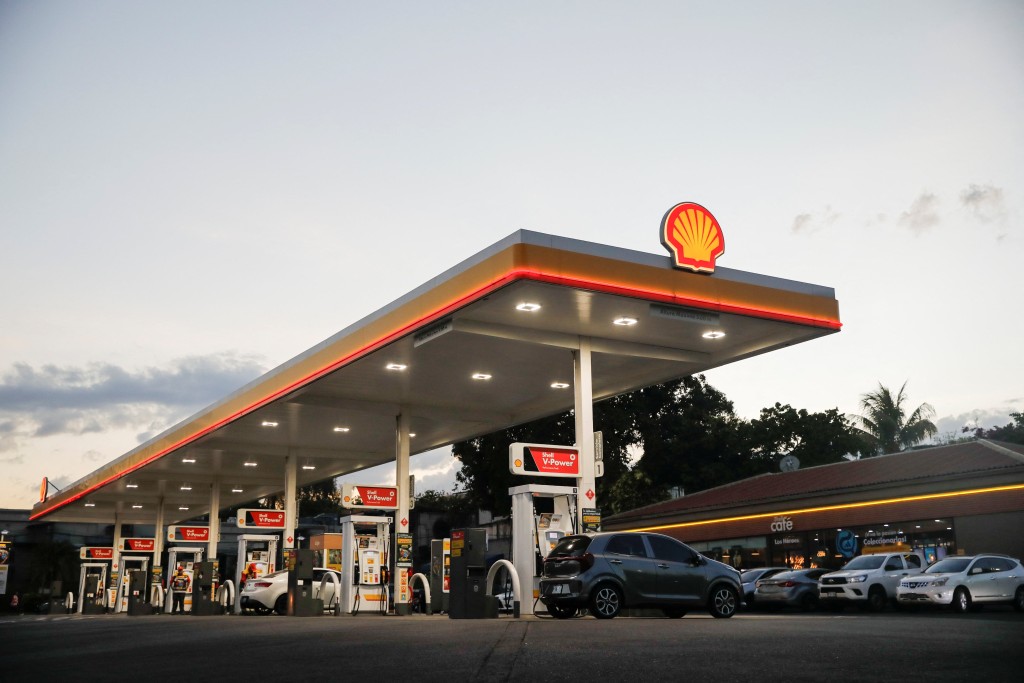
Sales at gasoline stations surged 15.5 percent, the largest gain since the government started tracking the series in 1992. Receipts at service stations had risen only 1.3 percent in February.
There are worries that pain at the pump could pull spending away from other segments, and cut into tax cuts and refunds.
Economists at the Stanford Institute for Economic Policy Research estimated that war-driven price spikes have pushed up Americans' average annual gasoline costs for this year by US$857.
The average tax refund was up US$351 through March 27 compared to the same period in 2025, Internal Revenue Service data showed. The Treasury Department estimated that the average tax refund would be US$1,000 higher compared to 2024.
"The tailwind from a blockbuster refund season will fade soon, causing households to cut back on discretionary spending as energy costs remain high," said Nancy Vanden Houten, lead US economist at Oxford Economics.
Consumer sentiment plunged to a record low in April. For now, the tax refunds are providing some cushion and allowing consumers to keep on spending. Sales at auto dealerships rose 0.5 percent in March, likely as manufacturers offered incentives. Receipts at furniture stores rebounded 2.2 percent, while those at electronics and appliance retailers increased 0.9 percent.
Building material and garden equipment store sales rose 0.7 percent. Sales at non-store retailers advanced 1.0 percent.
There were also increases in receipts at food and beverage stores, general merchandise retailers as well as health and personal care stores.
But consumers are pulling back on discretionary spending. Sales at food services and drinking places, the only services component in the report, edged up 0.1 percent after rising 0.5 percent in February. Economists view dining out as a key indicator of household finances.
Sales at sporting goods, hobby, musical instrument and book stores were unchanged as were receipts at clothing retailers.
Retail sales excluding automobiles, gasoline, building materials and food services increased 0.7 percent in March after an upwardly revised 0.6 percent rise in February.
These so-called core retail sales correspond most closely with the consumer spending component of gross domestic product, and were previously reported to have climbed 0.5 percent in February.
Prior to the report, economists believed growth in consumer spending had slowed further from the fourth quarter's 1.9 percent annualized rate. The Atlanta Federal Reserve's GDPNow model is tracking a 1.3 percent growth pace for the January–March quarter.
The economy grew at a 0.5 percent rate in the fourth quarter. The government is scheduled to release the advance first-quarter GDP estimate next week.
Reuters