





Read More

China's yuan firms as Iran war de-escalation hopes dent dollar appeal
01-04-2026 10:54 HKT









Seven arrested over Kwai Chung illegal gathering
14-09-2026 12:33 HKT


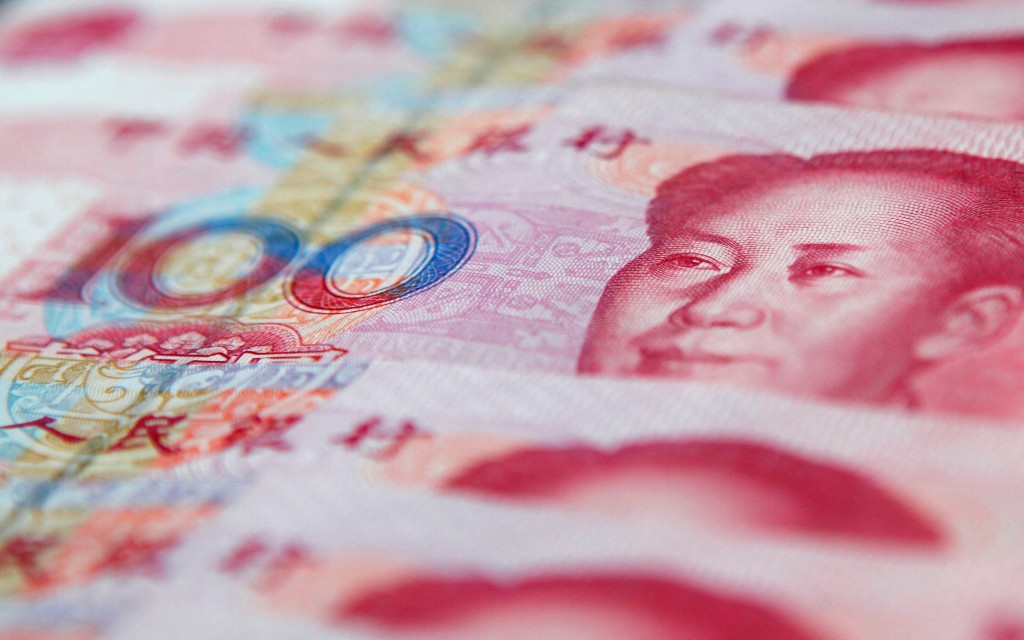
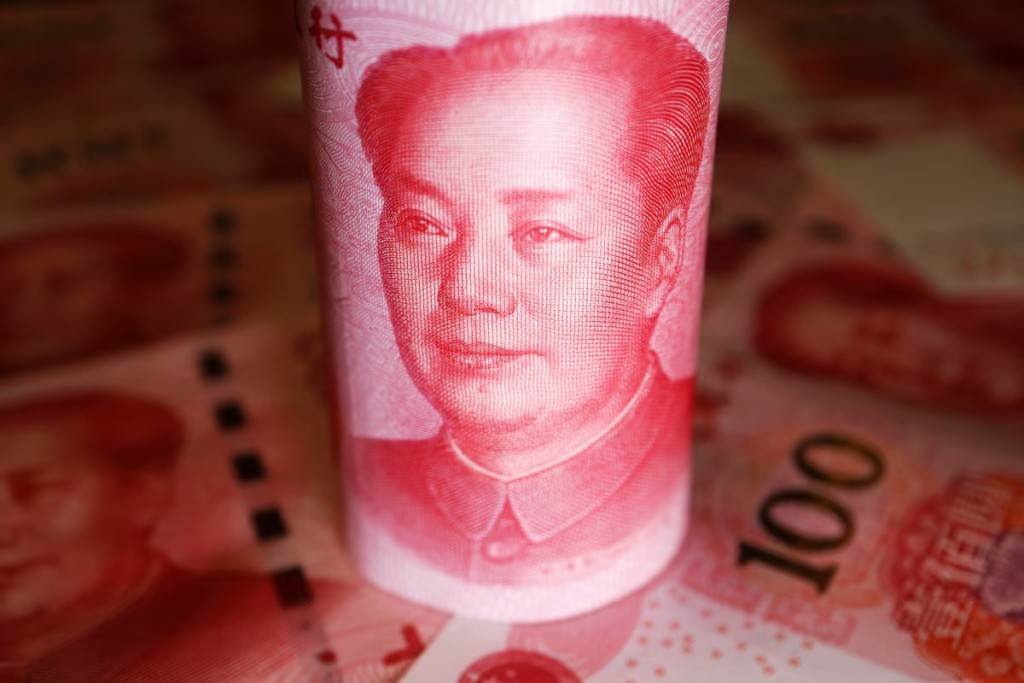
China's yuan weakened slightly against the dollar on Wednesday after data showed a sharp slowdown in the country's March exports as the Iran war boosted energy costs and hurt global demand.
But analysts say the Chinese currency's long-term appreciation trend is intact, with hopes building for a diplomatic solution to the Middle East conflict that would weaken the dollar's safe haven appeal.
The onshore yuan changed hands at around 6.8178 per dollar at 0300 GMT, roughly 0.04 percent weaker than the previous session's close.
The caution was triggered partly by data showing China's export engine slowed sharply in March, pointing to softer demand for the yuan needed to purchase Chinese goods.
Outbound shipments grew by just 2.5 percent last month, a five-month low, and far below the 21.8 percent surge seen over the January-February period.
DBS said that China's weak trade data in March should be interpreted with caution, as base effects distorted the signal.
Instead, the bank remains optimistic on the yuan's long-term value, arguing the dollar is gradually losing its luster as a shelter from the Middle East turmoil.
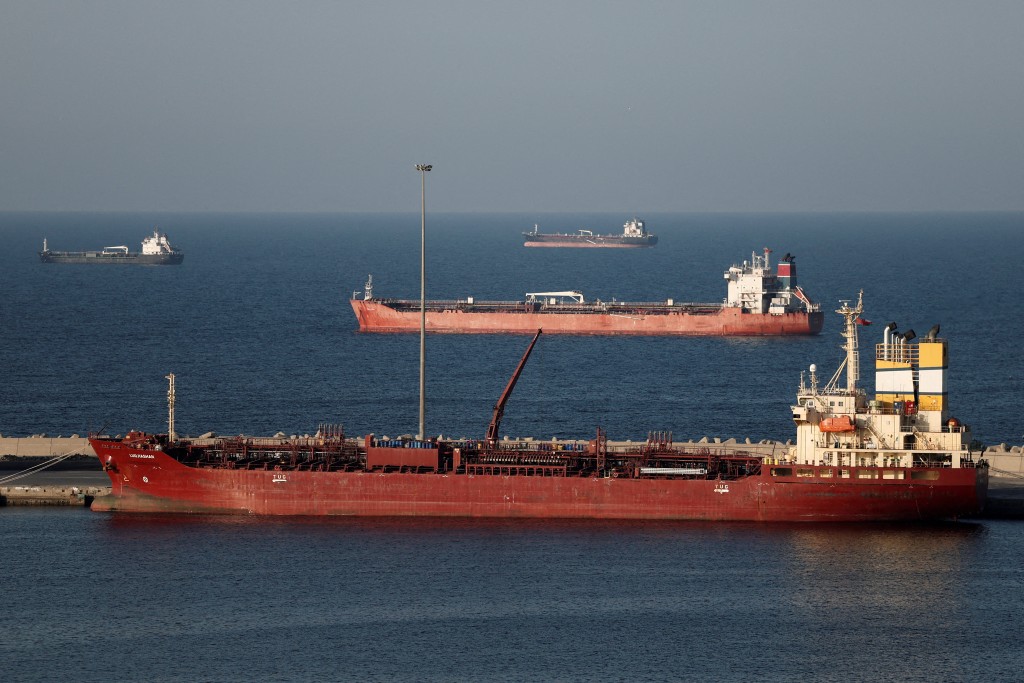
U.S. President Donald Trump's decision to blockade the Strait of Hormuz "has strengthened the resolve of EU nations and China to push for a diplomatic solution," DBS analyst Philip Wee said.
"For now, the worst oil shock scenario appears to be partially contained, not by a lack of conflict, but by a refusal of America's allies to escalate the Middle Crisis into a total war."
The view was echoed by Deutsche Bank, which recommends selling the dollar index.
"We have pushed back against a dollar bullish narrative in recent weeks," it said in a note.
"With recent developments indicating a likely peak in Iran War risks, we argue the pieces are falling into place to go short the dollar again."
Reuters