Read More


Tesla's China-made EV sales rise 8.7 percent in March
02-04-2026 17:55 HKT
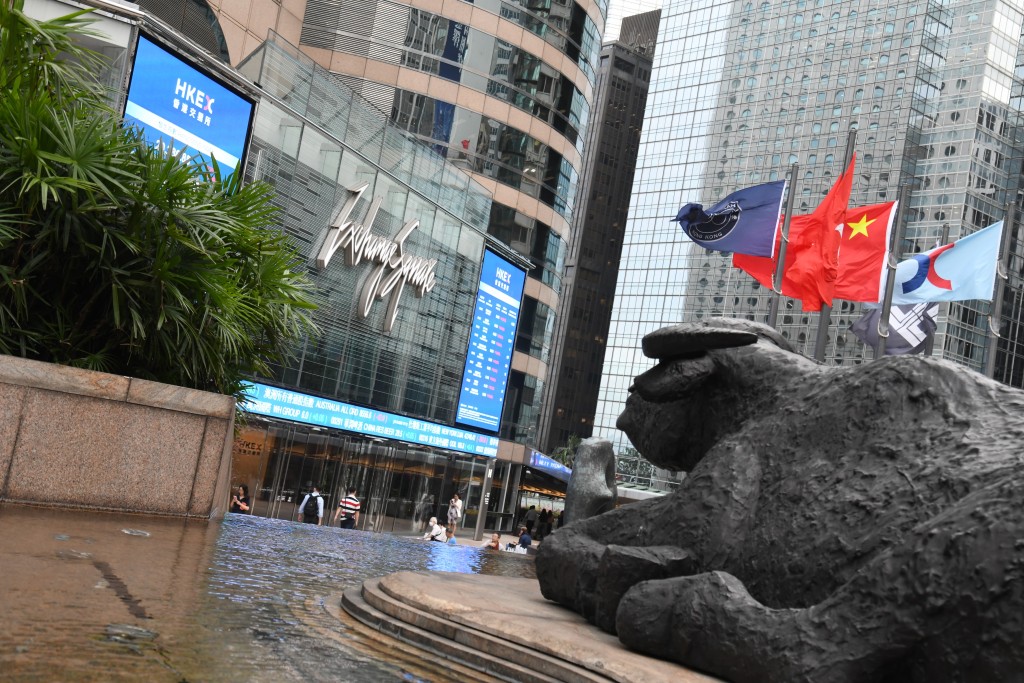
Hang Seng Index falls 177 points on Thursday
02-04-2026 16:55 HKT
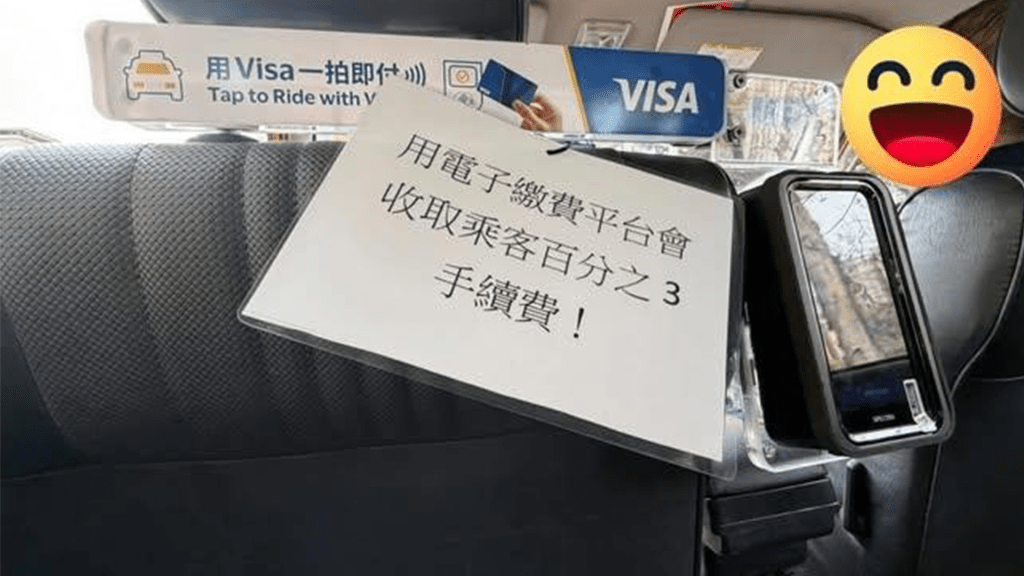
Taxi e-payment ‘3pc fee’ notices spark debate on rollout day
02-04-2026 12:42 HKT
A total of 25 firms defaulted on bond payments in the first six months of 2021, compared with just 19 in the same period last year.
This may reflect the withdrawal of central guarantees for SOE debt.
Hong Kong stocks rallied last week but the bigger reason for the upbeat performance was the hope that Beijing's tightening curbs on Chinese companies looking to list in the United States would send them towards Hong Kong.
Money is still flowing into China only because the world is still battling the Covid-19 pandemic, amid a resurgence of cases in Asia, including Indonesia and other markets.It remains to be seen whether investors will redeploy some of their assets or keep pouring funds into China, but with so many companies defaulting on their debts the first half of the year, it is inevitable the confidence of foreign investors will be shaken.
Therefore, it is likely that the central government will be looking at ways to stabilize the channels through which Hong Kong's market can raise funds from overseas.While there is a possibility that the Didi saga or Beijing's tightening grip over companies using variable interest entities to list overseas could affect the IPO market in Hong Kong, Bloomberg last week quoted sources as saying that China plans to exempt companies going public in Hong Kong from first seeking the approval of the country's cybersecurity regulator.
This would remove one hurdle for businesses that want to list in the financial hub instead of the US.If this is indeed true, it would mean that China still wants to support Hong Kong, and the city can benefit at a time when relations between China and the United States remain frosty. Thus, the emerging picture is that Chinese firms can list in Hong Kong but will be given the cold shoulder if they want to go to America.
At the same time, no company is too big to fail and even though the PBOC has cut its RRR, it may not necessarily solve problems of heavily indebted giants like Tsinghua Unigroup, Evergrande and Founder Group.On the other hand, the central bank is hoping that the cut will facilitate the development of micro, small and medium-sized enterprises because the central government is hoping to turn them into new engines of economic growth.
If this is correct, then investors should forget about heavily indebted corporates and not fantasize too much, though Alibaba and Tencent could still hit fresh highs over the next couple of years.However, internet companies with a market value of more than a billion and whose debt levels are not that heavy could be primed for growth, so investors should pay more attention to them.
So, it appears that Beijing still values Hong Kong as a financial hub, but how it can restore the confidence of foreign investors is another question altogether.Andrew Wong is chairman and CEO of Anli Securities