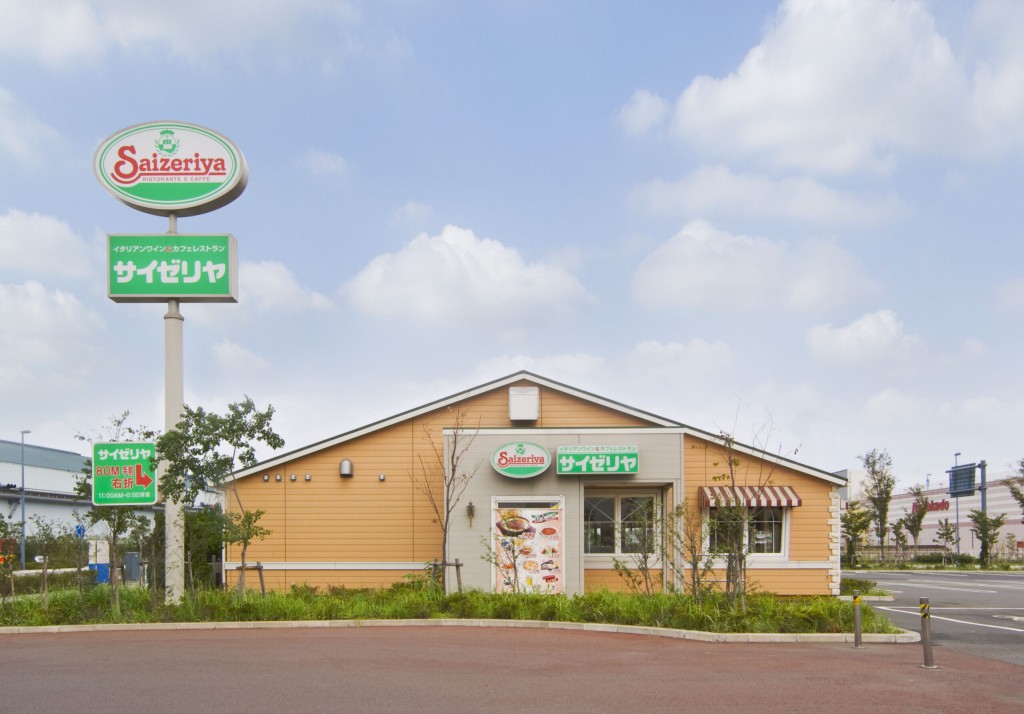
Japanese-owned Italian-style eatery chain Saizeriya's net profit surged 37 percent year-on-year in the fiscal year 2025 ended in August, despite inflation weighing on the global restaurant industry, marking a business success by boosting profits while keeping prices low.
The company's revenue also saw a double-digit growth, surpassing 250 billion yen (HK$12.7 billion). Following the news, its share price soared over 10 percent at one point, according to East Week magazine, sister publication of The Standard.
Saizeriya has seldom hiked prices on its products during the 60 years since it opened. Some diners found that its prices were even double in the 1990s compared to today.
While facing the sharp depreciation of the yen in recent years, which has made the prices of imported food ingredients and raw materials increase, the Japanese fast-food chain Yoshinoya raised the prices of its large and extra-large beef rice bowls to 740 and 938 yen, respectively.
In contrast, the president of Saizeriya, Hideharu Matsutani, has made “maintaining low prices” and “reducing menu items” as main strategies amid cost pressures.
He pledged not to increase prices, with main dishes priced from 200 to 300 yen.
The company achieves extreme efficiency through highly standardized processes. For example, staff will snap cucumbers instead of slicing them to save time and resources by removing the need to wash utensils.
Additionally, the true engine of its low-cost model is its central kitchen system, where massive production of the pre-cooked meals forms the group’s core competitive advantage. No need for chefs and knives – the main mission for staff is to reheat the pre-made food.
This extreme cost-cutting approach has enabled the catering giant to launch over 100 new stores annually and drive its profit surge by more than three times over the past four years.
While Saizeriya is beloved in Japan for its value-for-money, it has faced some criticism for its dishes.
A customer in Tokyo once found a frog leaping out of the salad.
But its low prices make consumers more tolerant of its flaws. Some people even fear it could go bankrupt if it doesn’t increase prices, but the firm remains optimistic and forecasts an over-expected 22 percent jump in operating profit to 19 billion yen for the fiscal year 2026.
However, Xibei, a Chinese chain also offering pre-made meals, met a different fate than Saizeriya. After the mainland media exposed its use of pre-prepared food, it encountered a fierce public backlash.
Despite switching some dishes to fresh cooking and slashing prices, Xibei’s business reportedly suffered a sharp decline, resulting in daily losses of millions of yuan.