Despite US President Trump having claimed a potential sharing of tariff revenues with Americans, consumers are set to face more costly goods.
US tariff revenue has surged to US$152 billion (HK$1.19 trillion) so far this year, more than doubling from US$78 billion during the same period in 2024, according to Treasury Department data.
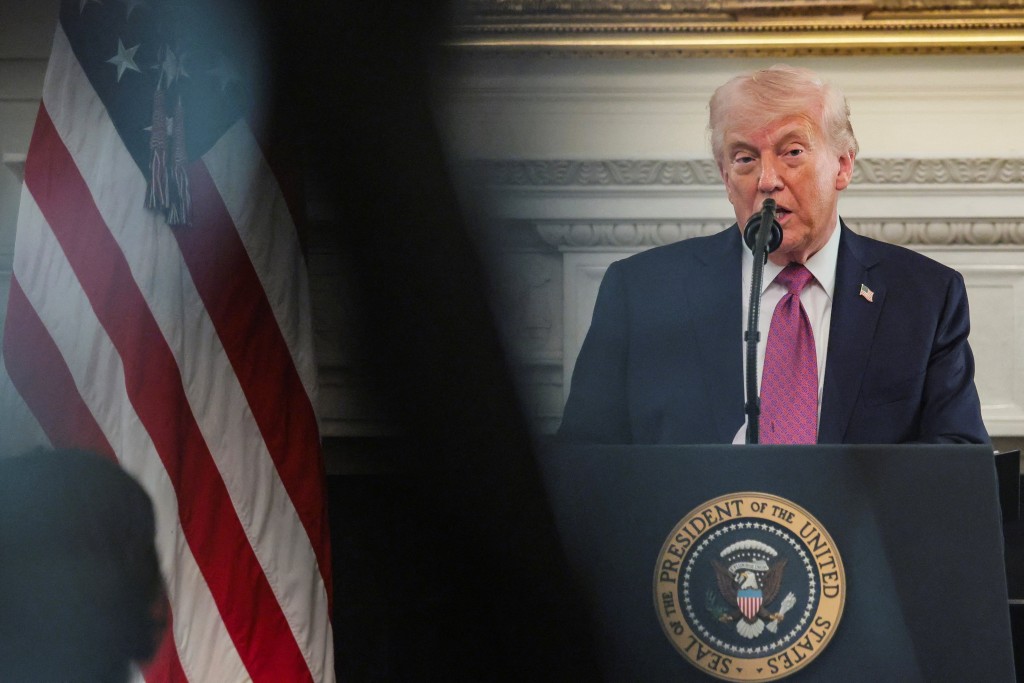
"There could be a distribution or a dividend to the people of our country, I would say for people that would be middle-income people and lower-income people, we could do a dividend," Trump told reporters before boarding Air Force One after leaving his golf club in New Jersey on August 3.
His proposal aligns with a Republican bill sponsored by Senator Josh Hawley that would use tariff revenue to fund US$600 cash payments to many Americans.
The administration argues tariffs help offset fiscal gaps from the One Big Beautiful Bill Act, which reduced government revenue by an estimated US$3.4 trillion.
Meanwhile, Trump’s tariff measures are estimated to generate over US$2 trillion additional income for the country for the coming decade.
Wharton School of the University of Pennsylvania professor Joao Gomes warned of long-term consequences, saying that tariffs function as taxes on imports, with costs ultimately passed to US consumers through higher prices.
Gomes also warned that the tariffs may be addictive to the US government, even after Trump’s administration.
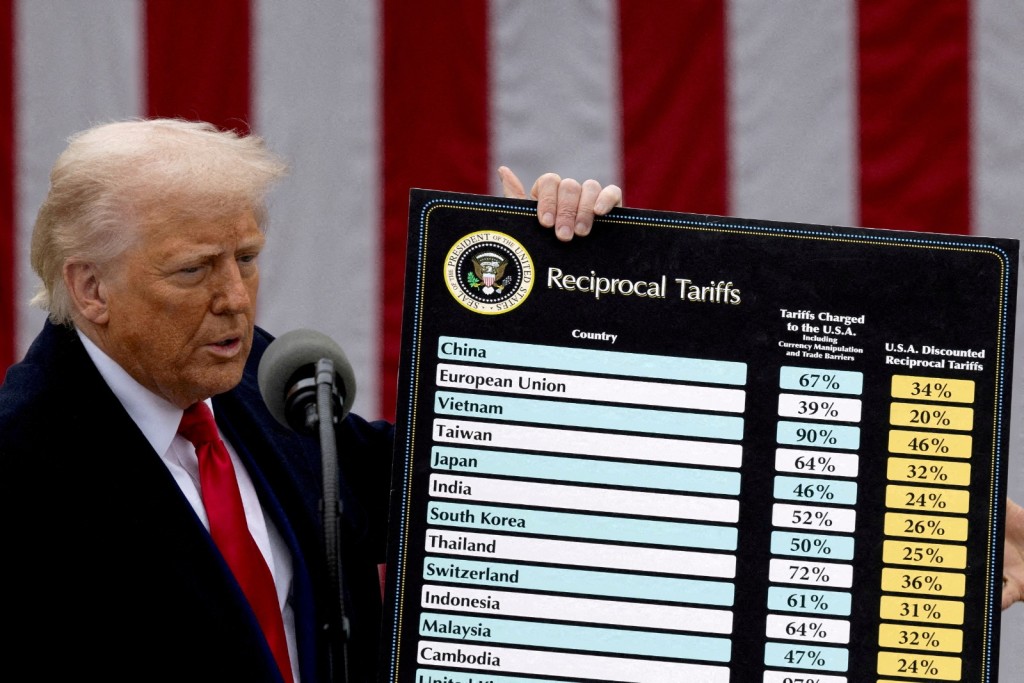
This warning gains urgency as new tariffs are due to take effect on Thursday on nearly 70 countries, with rates ranging from 10 percent to 41 percent.
If the tariffs do not end, the Budget Lab at Yale projections indicate short-term price spikes could reach 18.2 percent for computers/electronics and 37.5 percent for apparel, while in the long run of some three to 10 years, they could face increases of 7.7 percent and 17.2 percent, respectively.
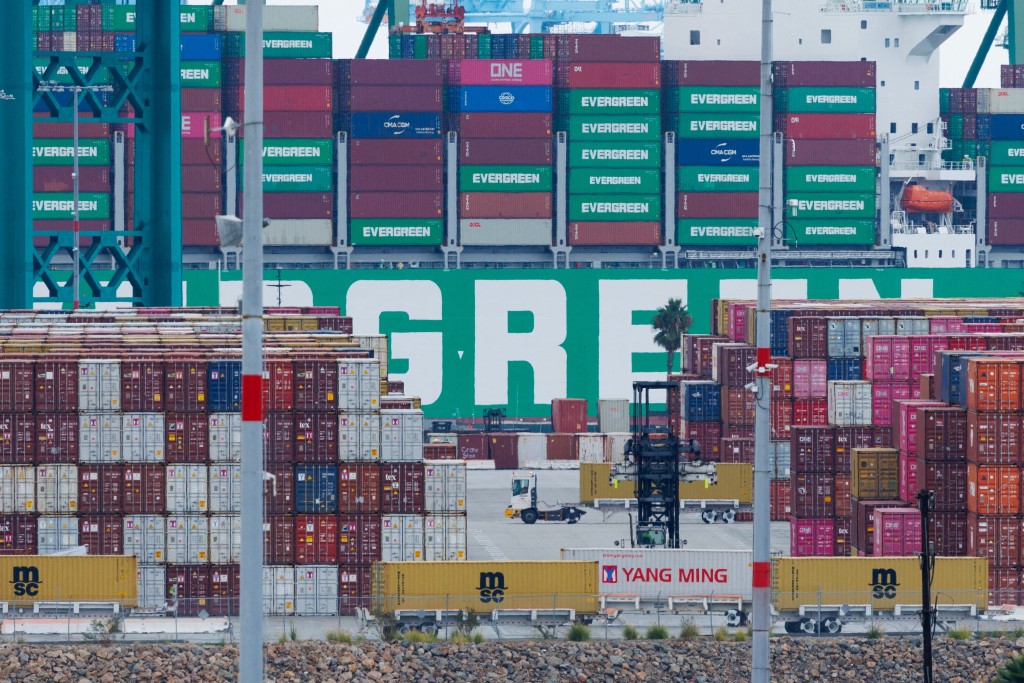
In addition, Swiss watches will incur 39 percent duties – affecting over US$4 billion in annual imports. Wines and spirits from the European Union, constituting 35 percent of the US market, will be taxed at 15 percent. Vietnam and China also face compounded pressure as top suppliers of furniture, toys and electronics.
Goldman Sachs economists noted that while businesses have absorbed some costs through inventory stockpiling, the full effect will take about eight months to reach consumers.
Computer prices already rose 5 percent year-on-year in June, CNN reported, signaling the trend’s early stages.
Moreover, the US families are likely to pay an average of US$2,400 more per year due to the tariffs, according to a report by the State Bank of India.
STAFF REPORTER AND REUTERS