





Read More




Bowie Woo, 94, sets Guinness World Record at star-studded concert
08-06-2026 18:03 HKT
Nine days of rain ahead as temperatures dip, Observatory says
09-06-2026 17:35 HKT


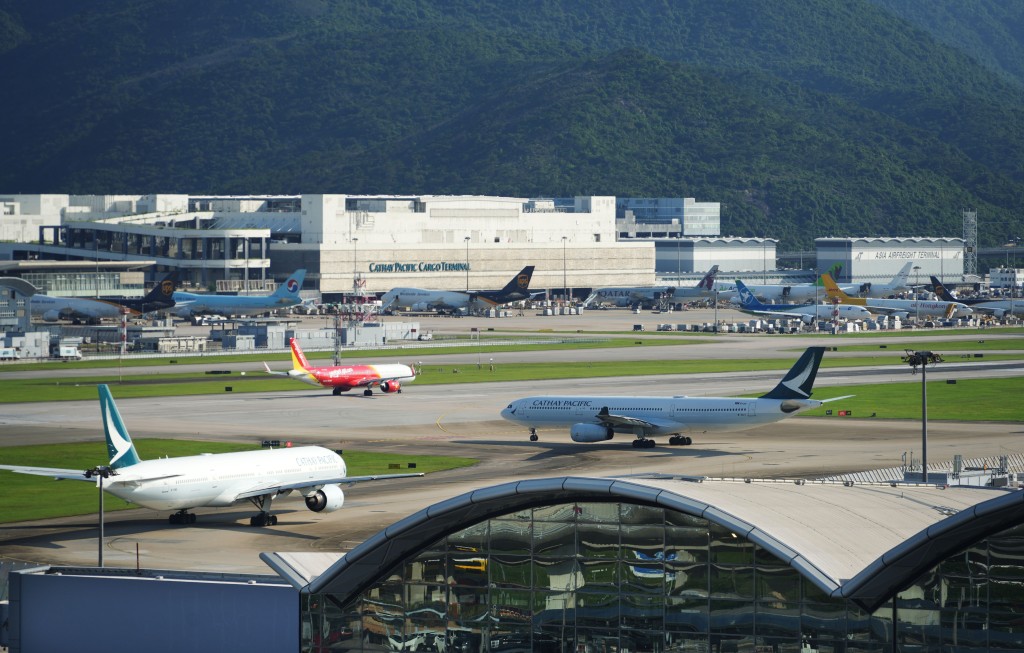
The Airport Authority Hong Kong distributed a dividend of HK$1.3 billion to the government for the first time in a decade, while lawmakers suggested cutting the airport levy to boost visitor numbers and overall revenue.
It was the first dividend payment since the 2014/15 financial year, when AAHK began retaining operating surpluses to finance the Three-runway System project, according to its annual report released on Wednesday.
The authority’s net profit soared by over 52 percent to HK$2.46 billion for the year through March, on the back of traffic growth and higher revenue.
Revenue for the period jumped nearly 20 percent to HK$16.4 billion, driven by high income from airport and security charges, airside support services franchises, and retail concessions, the authority said.
Passenger traffic grew 21.6 percent year-on-year to 54.9 million and cargo throughput climbed 10.3 percent to 5 million tonnes during the year, the report said, adding that flight movements rose 20.5 percent to reach 373,050.
Hong Kong International Airport was named the world’s busiest cargo airport for the 14th time since 2010 last year.
The airport’s air network continued to grow during the fiscal year, with 27 airlines starting new routes or expanding services, involving 56 destinations.
There were around 140 airlines serving at the airport, connecting to more than 200 destinations as of the end of March, AAHK said.
Legislative Council member Ben Chan Hang-pan believes it is time for the government to consider lowering the airport construction fee, which was introduced as part of the financial arrangement for the three-runway system in 2016.
“I believe it is worth studying whether lowering the cost could stimulate greater demand and possibly bring in more revenue than charging a higher levy,” Chan said.
Taking short-haul flights as an example, a low-cost carrier ticket to Bangkok may cost just HK$120 one-way, but after adding surcharges and taxes totaling HK$428, the final fare rises to HK$548, he said, adding that the construction fee alone accounts for over 16 percent of the total price.
It would be great if reducing the fee slightly could attract more passengers to use the airport, he said, while warning that it could end up being a lose-lose situation if the fee is lowered but passenger numbers don’t increase.
The authority has been charging a construction fee ranging from HK$90 to HK$180 per departing passenger based on flight distance (short-haul or long-haul) and travel class (economy, business, or first class).
AAHK received nearly HK$2.9 billion from the construction fee in the 2024/25 fiscal year, representing a rise of 21.8 percent from the previous year, due to the increase in passenger traffic. It has HK$934 million unused airport construction fee that has not yet been used to fund the three-runway system construction costs.
Chairman Fred Lam Tin-fuk said the three-runway system boosted the airport’s annual capacity by 50 percent and strengthened the city’s status as one of the world’s largest and most important aviation hubs, and that he is confident in the future of the SAR’s aviation industry and the airport city development despite global economic uncertainties.
STAFF REPORTER