Read More
Assets under management for its asset and wealth management business in Hong Kong rose 13 percent to US$4.53 trillion (HK$35 trillion) last year, surpassing that of Singapore.
ADVERTISEMENT
SCROLL TO CONTINUE WITH CONTENT
The net inflow of funds in Hong Kong last year surged 88 percent year-on-year, reaching HK$163 billion, according to a survey of the Securities and Futures Commission.
The survey also found that Hong Kong-domiciled funds authorized by the SFC also showed robust growth, with their net asset value increasing 22 percent to HK$1.64 trillion last year.
In addition, Hong Kong's asset managers allocated 59 percent of assets outside mainland China and Hong Kong, reflecting a shift towards more diversified strategies in response to rapidly-changing global conditions, the SFC said.
Singapore’s released asset management survey of 2024, having an AUM of US$4.46 trillion, which employed an opaque statistical methodology and incorporated private equity and venture capital allocations under its statistical scope.
In contrast, the survey of asset management by the SFC in Hong Kong distinctly excludes fund advisory and private banking segments.
Hong Kong maintains a lead of approximately HK$5.49 trillion in AUM.
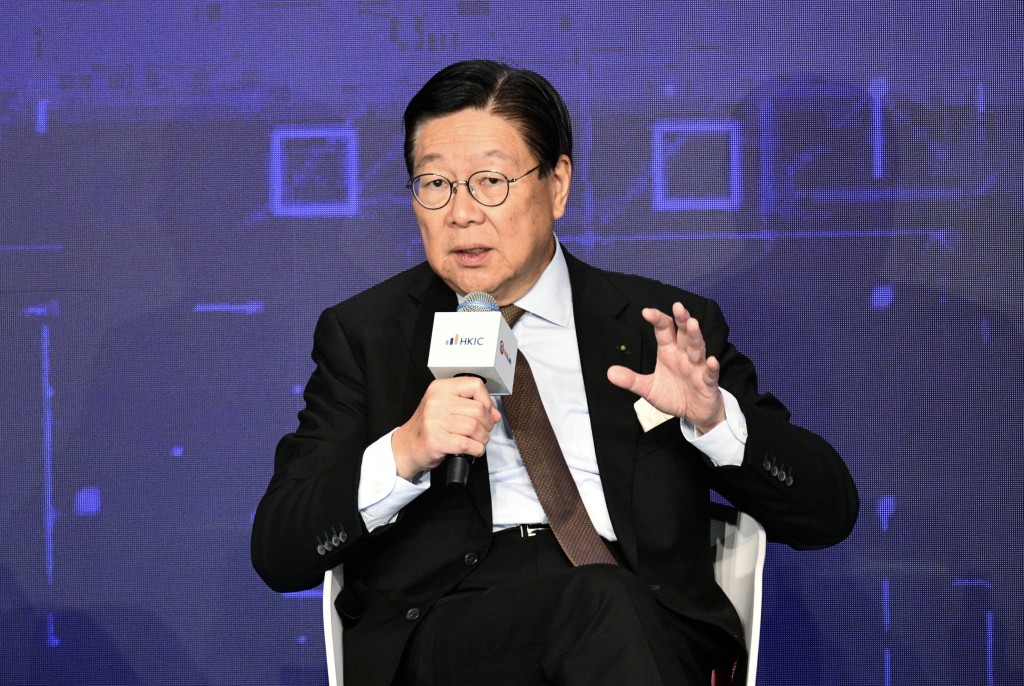
Financial Secretary Paul Chan Mo-po also showed optimism on Hong Kong's wealth management industry, expecting that it would continue to flourish based on the macro external situation and local development trend.
The robust growth of the new inflow of funds reaped the benefits from the vibrant stock market and the accelerated development of asset and wealth management businesses in Hong Kong, he said in a Facebook post.
He believed that Hong Kong would become the world's largest cross-border wealth and asset management hub within two to three years.
He noted that Investors from Europe, America, and Southeast Asia indicated enthusiasm for both Hong Kong and mainland markets, driving increased investment intentions.
As the stability and safety of Hong Kong's financial system, as well as huge potential for future growth in the financial industry, investors have a stronger interest in investing in Hong Kong amid global uncertainties, he said.
Helen Zhong